Aluminum Foil Laminate for Insulation Products: Five Incoming Quality Checks for Manufacturers
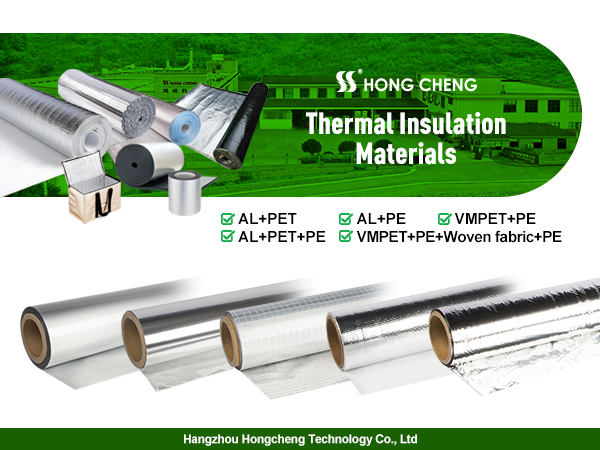
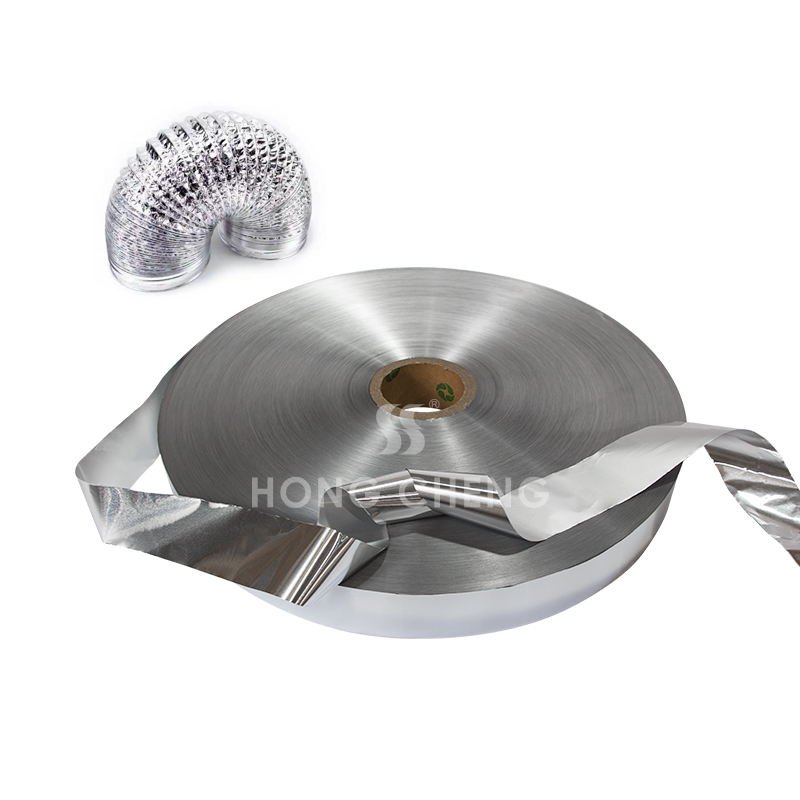
The reflective skin of most thermal insulation products begins with the same raw material: aluminum laminate — aluminum-plastic composite roll stock. Bubble insulation producers laminate it onto bubble film; insulation board makers convert it into laminate facings; thermal bag and shading material producers use it as the base layer. The performance ceiling of the finished product is, to a large extent, set by this incoming roll stock. Yet rolls all described as "aluminum laminate" routinely arrive with quotations differing by twenty to thirty percent per square meter, and finished goods converted from the cheaper rolls come back with complaints about thermal performance and service life. The root cause is rarely the converting process; it is the laminate itself. Rather than troubleshooting after finished goods reach the market, the smarter move is to hold the line at incoming inspection. This article sets out five hard checks that insulation product manufacturers can run on arrival — practical actions, not laboratory science.
Understand the structure before judging quality
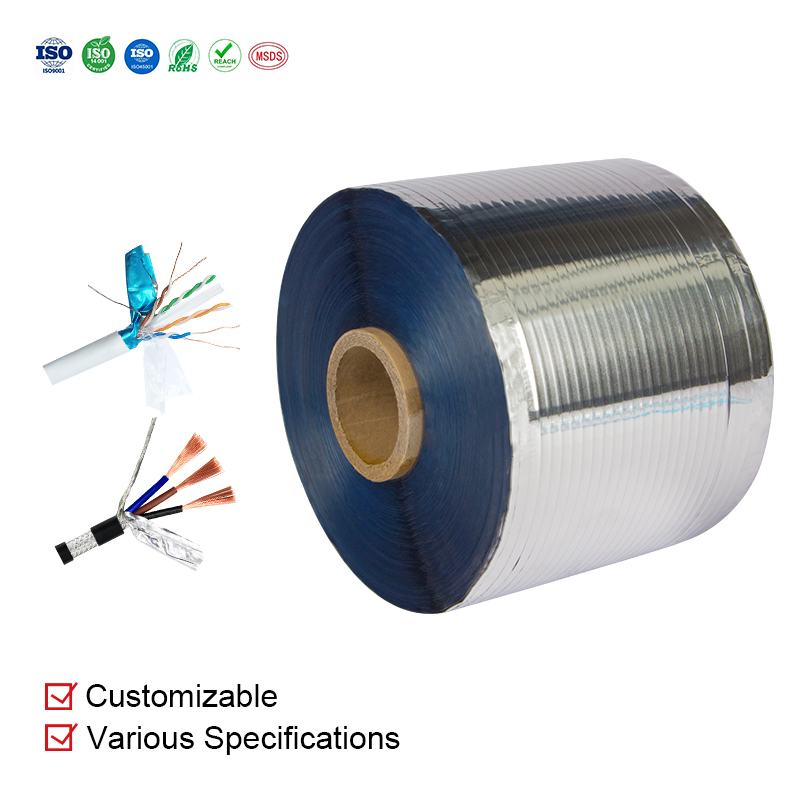
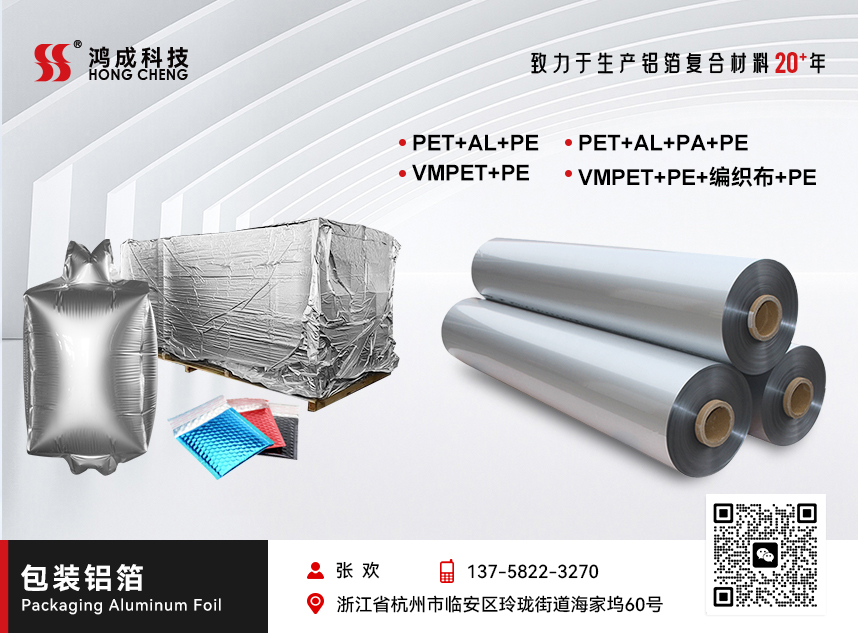
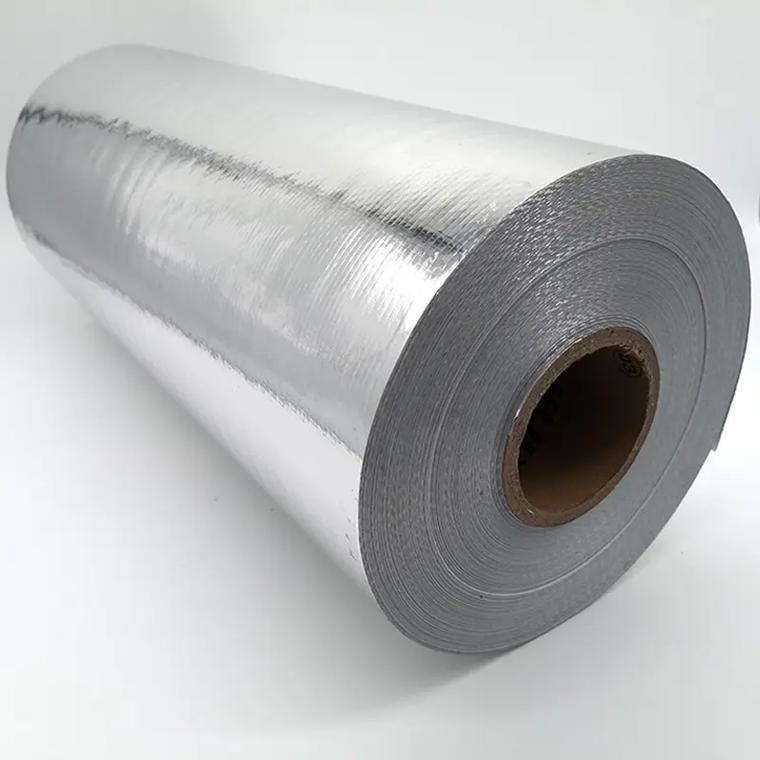
Aluminum laminate refers broadly to rolls in which an aluminum layer is bonded to plastic substrates. Two routes dominate the market: pure aluminum foil laminates (such as AL/PE and PET/AL/PE) and metallized film laminates (such as VMPET/PE), each available in single-sided and double-sided constructions. Pure aluminum foil is conventionally supplied in a 6μm to 9μm thickness range, with 9μm as the heavier grade; a metallized layer, by contrast, is measured in tens of nanometers. The structure defines both the performance ceiling and the cost floor, so inspection begins with structure verification against the contract: if you ordered pure foil, the reflective layer must be pure foil; double-sided means double-sided. A structural mismatch is grounds for rejection on its own — there is no need to check anything further.
Check 1: aluminum layer material and thickness
The contract must state clearly whether the reflective layer is pure aluminum foil or metallized film. Metallized film is significantly cheaper, but its barrier and reflective performance degrade faster — and cases of metallized film being passed off as pure foil are far from rare. There is a simple on-site test: measure surface resistance with a multimeter. Pure foil is conductive, with resistance close to zero; metallized film reads noticeably higher. For thickness, measure total caliper with a micrometer and back-calculate the foil layer from grammage rather than trusting the specification sheet alone.
Check 2: bond strength between layers
Peel strength between the aluminum layer and the plastic substrate should be no less than 1.5N/15mm. A simple field check: tear a sample along the layer interface. If the layers separate easily in large areas, or the foil transfers onto the opposite face after tearing, adhesive application or curing is insufficient. Laminates like this look flawless on arrival, but on the converting line — under tension and heat — they wrinkle and delaminate, and every resulting complaint lands on the finished-goods producer, not on the laminate supplier.
Check 3: reflectivity, not brightness
Many buyers judge a laminate by how shiny it looks. This is the most common misjudgment in the trade. Brightness is a visual impression; what actually determines thermal performance is the pair of figures — reflectivity and normal emissivity. A good reflective layer combines high reflectivity with low emissivity, so that radiant heat is genuinely turned back rather than absorbed and re-radiated. The correct practice is to require third-party test reports or factory test data from the supplier, write the key values into the contract, and inspect incoming goods against those numbers — not against appearance.
Check 4: flatness and gauge uniformity
Aluminum laminate goes through a second converting process at the product manufacturer's plant, so flatness directly affects line efficiency. Rolls with inconsistent winding tension or visible gauge bands will wander and wrinkle on the laminator, and stoppage rates climb accordingly. Gauge uniformity matters just as much for sealing and laminating parameters: if thickness fluctuates within a roll, the heat-seal window has to be adjusted again and again, and scrap rates follow. During sampling, measure several points per roll — in both machine direction and transverse direction — before accepting the batch.
Check 5: slitting and roll condition
Insulation manufacturers buy slit roll stock in fixed widths, and slitting quality shows up immediately on the line. Burrs on the slit edge scratch the film surface as the web runs; width out of tolerance disrupts lay planning; splice count affects continuous production. On delivery, first inspect the roll ends for flatness and shipping damage, then verify width tolerance against the order, and require slitting precision data to accompany each shipment.
Three traps that catch buyers every year
Trap one: metallized film sold as pure foil. The unit price is twenty to thirty percent lower, but reflectivity and barrier performance fall far more — a multimeter settles the question in seconds.
Trap two: comparing prices without comparing structures. Single-sided against double-sided, metallized against pure foil — a few cents saved per square meter at the roll stage becomes a product that cannot command a price in the market and drags down the brand's quality reputation.
Trap three: ignoring batch-to-batch consistency. One batch passes, the next drifts, and the converting line has to chase parameters batch after batch — a hidden cost that quickly exceeds the price difference. Retained-sample comparison is the only reliable safeguard.
A four-step incoming inspection routine
Step one, measure: total caliper with a micrometer, foil layer back-calculated from grammage. Step two, test resistance: a multimeter verifies the aluminum layer. Step three, tear-test: bond strength between layers. Step four, retain: sealed reference samples for every batch, written into the contract and compared delivery by delivery. The whole routine takes less than half an hour and screens out the majority of batch risks before the material enters production.
Hangzhou Hongcheng Technology specializes in aluminum-plastic composite materials — aluminum foil laminates and PE-coated composites — strictly as a raw material supplier. We do not manufacture bubble film or other finished products; we supply aluminum laminate roll stock to insulation product manufacturers: pure foil and metallized routes, foil within the 6μm-9μm range (9μm heavy grade), custom structures and widths, with thickness and peel-strength data issued with every batch. Samples and factory visits are welcome — contact us to discuss your next production run.
Techfoil +86 13758223270 Email: wendy@hcdxcl.com.cn
Six Application Scenarios for Aluminum Foil Woven Vacuum Laminate
VMPET vs AL/PE Duct Facing: A Practical Selection Guide for Duct Manufacturers