Why Explosion-Proof Plants Need Antistatic Duct Outer Skins
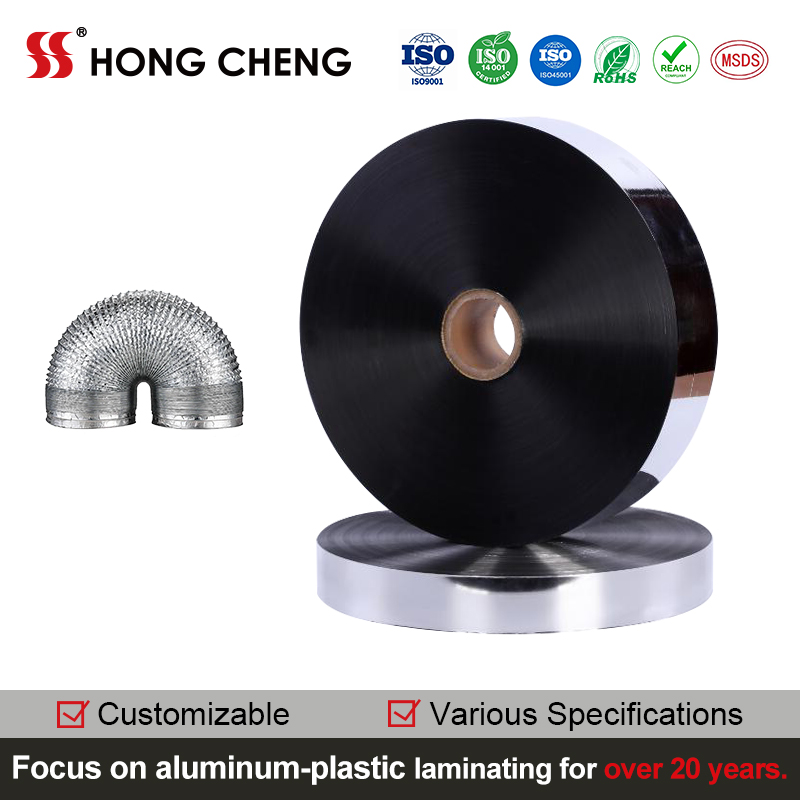
Since 2025, a series of ventilation duct static-electricity ignition accidents have occurred in petrochemical, coating, lithium-battery electrode, powder coating and grain dust processing plants across China. The Ministry of Emergency Management has explicitly pointed out in its annual report that flexible ventilation ducts in flammable and explosive workplaces can become hidden high-risk ignition sources if they are not designed for electrostatic discharge. Most plant managers focus on fan power, duct diameter and air velocity, but overlook the surface resistance of the duct outer skin. In this article, Hongcheng Technology explains the material-level logic behind antistatic explosion-proof ventilation hose outer skins.
Static Electricity: The Invisible Spark in Hazardous Areas
Petrochemical, coating and dust-handling workshops contain large amounts of organic solvent vapor, aluminum powder, flour dust or electrode powder suspended in the air. When high-speed airflow rubs against the inner wall of a flexible duct, ordinary aluminum foil or plastic outer skins accumulate significant static charge. Once surface resistance exceeds 10¹¹Ω, the charge cannot dissipate in time and builds up a potential difference between duct joints, elbows and metal supports, eventually releasing as a spark. The minimum ignition energy of many solvent vapors is only 0.2 to 0.3 millijoules, far below the energy of a typical electrostatic discharge. A ventilation duct with inadequate surface resistance is therefore a dormant ignition source waiting for the right mixture of fuel and air.
The Three-Layer Defense of an Antistatic Duct Outer Skin
A qualified antistatic explosion-proof flexible duct outer skin usually consists of three functional layers.
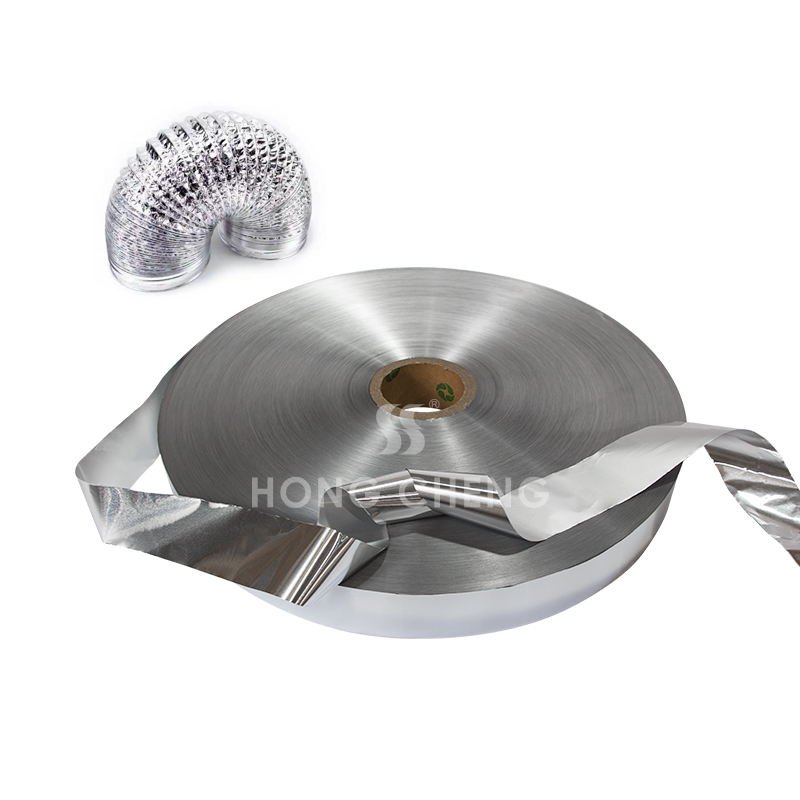
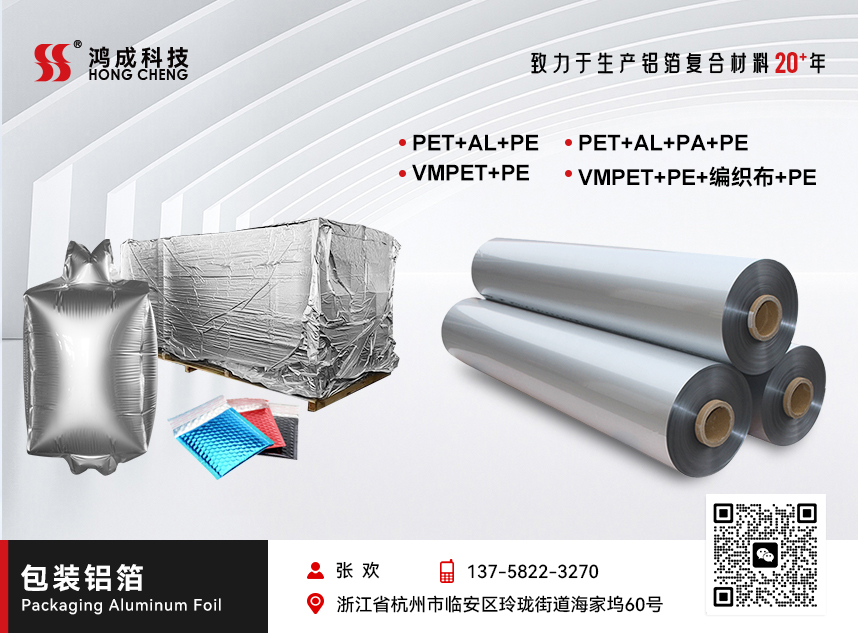
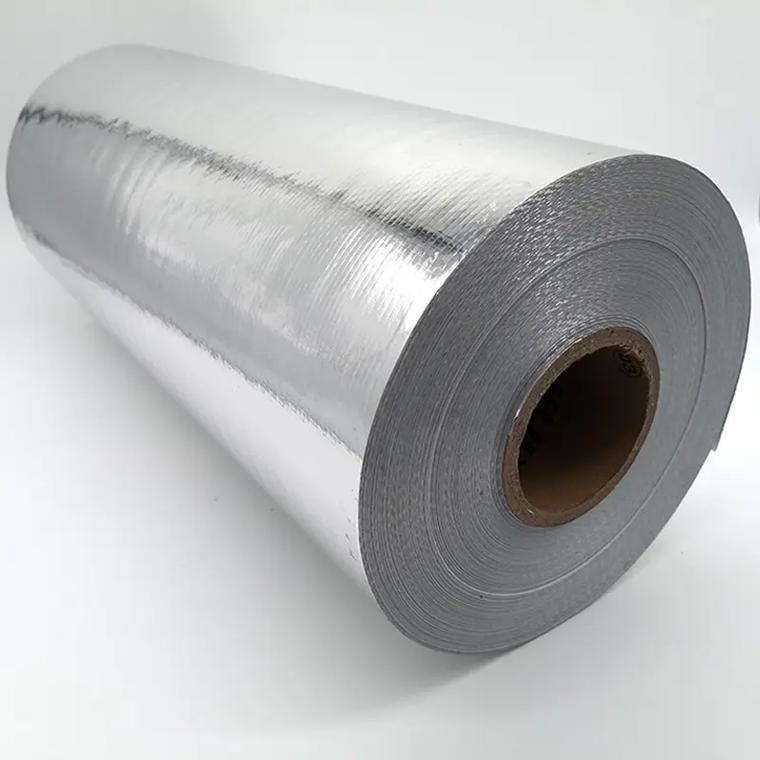
The first layer is the substrate. Two common options are AL/PE composite foil and VMPET metallized film. AL/PE laminate uses pure aluminum foil as the reflective and conductive layer, typically 18–40μm thick, offering good conductivity and high mechanical strength for medium- to high-pressure, long-distance ventilation systems. VMPET metallized film deposits an aluminum layer of 350–450Å onto a polyester film base. It is lightweight, flexible and cost-effective, making it ideal for portable hoses or installations with tight bending radius requirements.
The second layer is the conductive path. Aluminum alone is not sufficient because the natural aluminum oxide film on the foil surface is insulating. To maintain continuous charge dissipation, manufacturers add a conductive carbon coating, metal mesh or conductive fiber yarn to the aluminum surface. This brings the overall surface resistance into the 10⁶–10⁹Ω range, which is fast enough to bleed off static charge without creating a dangerous low-resistance current path.
The third layer is the flame-retardant protective layer. Hazardous-area ducts normally require UL 94 V-0 or GB 8624 Class B1 flame retardancy. The PE layer in AL/PE laminates can be replaced with flame-retardant PE or cross-linked PE. VMPET can be paired with flame-retardant PET substrates, and halogen-free flame retardants can be added to the lamination adhesive to prevent dripping, flame spread and toxic smoke in the early stages of a fire.
Sourcing Differences Across Four Application Scenarios
For petrochemical refining and process areas, AL/PE duct outer skin with aluminum layer thickness above 30μm and total thickness of 80–120μm is recommended. It should be combined with a metal spiral wire helix, withstand temperatures from -40°C to 120°C, and resist outdoor UV exposure and salt spray corrosion. In chemical solvent recovery systems, where the medium is usually toluene, acetone or methyl ethyl ketone, a double-sided AL/PE structure with an additional conductive carbon coating on the aluminum side provides more stable static dissipation in solvent vapor environments.
Lithium-battery coating workshops demand extremely high cleanliness and low metal-ion extraction. VMPET metallized film with corona treatment and a conductive polymer outer layer is preferred, avoiding contamination of electrode slurry by copper, nickel or other metal particles. Powder coating and grain dust handling plants place greater emphasis on abrasion and puncture resistance, so AL/PE laminate with a PET wear layer, or antistatic foil wrapped over a woven skeleton, is better suited to withstand high-speed dust impact.
Standards and Tests: Do Not Trust the Word “Antistatic” Alone
Many products on the market claim to be antistatic, but test methods vary widely. Buyers should require three core test reports from suppliers: surface resistance testing per GB/T 1410 or ASTM D257, electrostatic decay testing per MIL-STD-3010 or FTMS 101B, and flame-retardancy testing per UL 94 or GB 8624. For projects exported to Europe, EN 13463-1 for explosion-protected equipment and REACH SVHC compliance are also required. North American exports should meet UL 181, which evaluates heat aging, mold resistance and flame performance of ventilation ducts in a single integrated standard.
Three Common Sourcing Mistakes
Mistake one: assuming that aluminum foil is naturally conductive, so any AL/PE duct must be antistatic. In reality, the oxide layer on untreated aluminum foil significantly raises contact resistance, and if duct seams are not electrically bonded, isolated charge zones can still form.
Mistake two: believing that lower surface resistance is always better. When surface resistance falls below 10⁵Ω, accidental human or equipment contact can create a sudden high-current shock and spark. The 10⁶–10⁹Ω range is the safe window for most flammable and explosive workshops.
Mistake three: treating antistatic treatment as only a dry-season requirement. While low humidity in winter does increase static buildup, solvent vapor and dust hazards exist year-round. Antistatic performance should be a standard feature of the duct, not a seasonal add-on.
Source Material Sourcing Recommendations
For ventilation hose manufacturers serving hazardous areas, material selection should focus on aluminum layer thickness and uniformity, flame-retardant grade of the PE or PET substrate, continuity and adhesion of the conductive coating, and halogen-free low-smoke performance of the lamination adhesive. Hongcheng Technology supplies AL/PE duct facing, VMPET flexible duct jacket and conductive aluminum foil laminates with customizable aluminum thickness, width and surface resistance ranges. We support conductive carbon coating, conductive fiber integration and other antistatic solutions tailored to customer explosion-protection rating and processing requirements.
Safety is never a small matter. When a ventilation duct passes through a flammable or explosive zone, its outer skin is not just a protective cover—it is the first gate in electrostatic hazard control. Choosing the right material is the first step in reducing flashover risk at the source.
+86 13758223270 Email: wendy@hcdxcl.com.cn
PV Rooftop Waterproofing: How to Select AL/PE Foil Membrane for BIPV and BAPV Projects
800V EVs Hitting a Wall? The Real Problem Is a $2 Shielding Tape