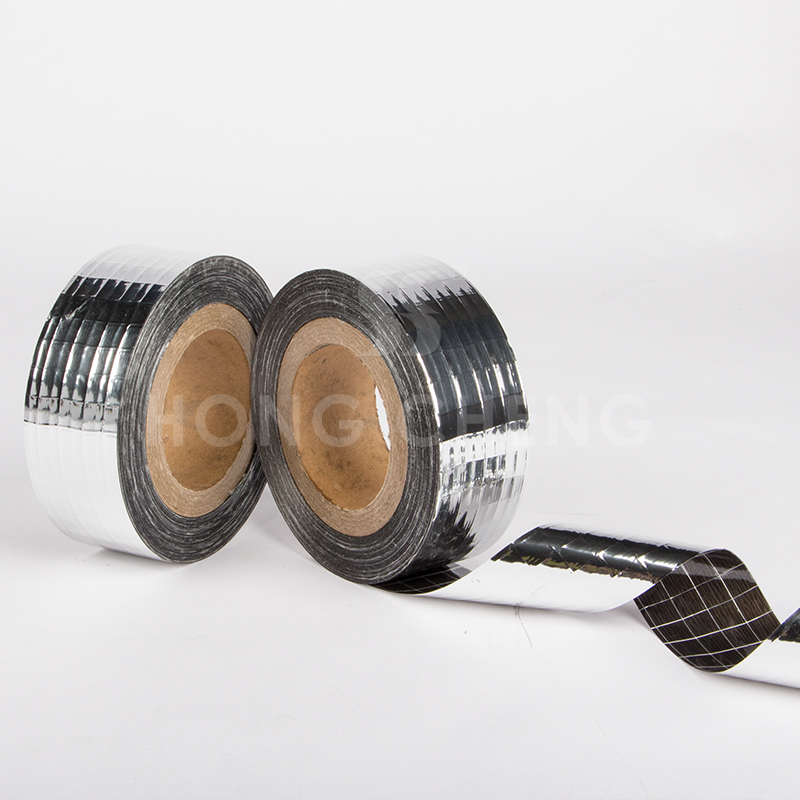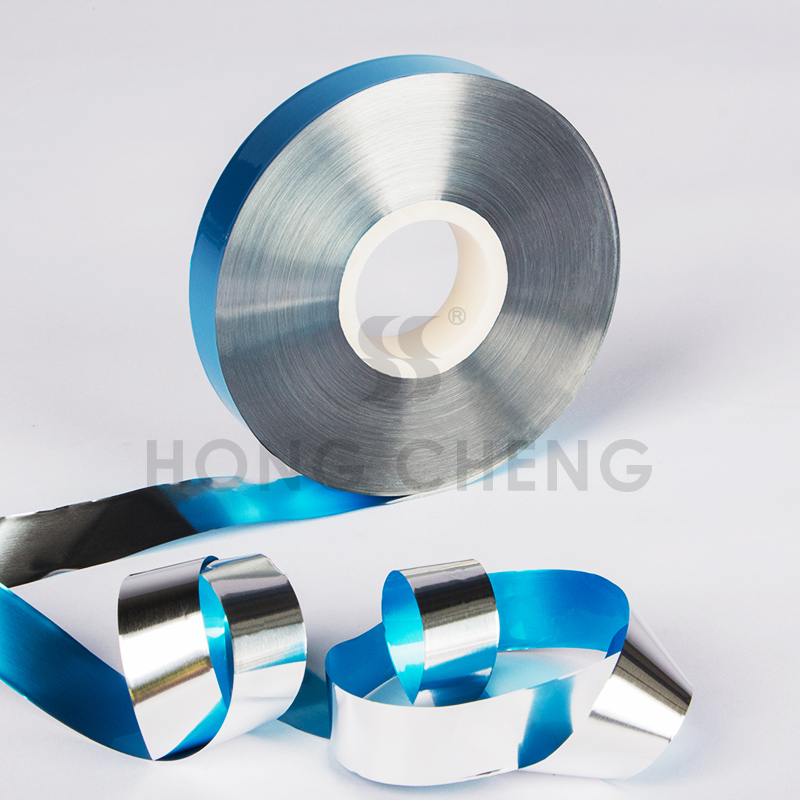
What are the characteristics of aluminum foil braided film material?
Aluminum foil braided film is emerging as a revolutionary packaging material, redefining industry standards with its unique combination of structural innovation and functional versatility. Unlike traditional single-layer or simple composite films, it features a sophisticated interwoven structure—typically combining aluminum foil (5-12μm thick) with high-density polyethylene (HDPE) threads (0.1-0.3mm in diameter) woven in a crisscross pattern, often reinforced with a thin layer of nylon for added resilience. This architectural design not only enhances mechanical performance but also integrates the best properties of each component, making it a standout choice across diverse sectors.
Unmatched Mechanical Strength and Durability
The braided construction endows the film with exceptional tensile strength and wear resistance. Laboratory tests show that aluminum foil braided film can withstand a tensile force of up to 35MPa, which is 2-3 times higher than that of conventional aluminum-plastic composite films. This robustness makes it ideal for packaging heavy or sharp-edged items: in the industrial sector, it is widely used for wrapping metal parts and mechanical components, reducing transportation damage rates by over 40% compared to traditional packaging. Its wear resistance is equally impressive—under the ASTM D4060 abrasion test, it can endure 10,000+ cycles of friction without significant damage, whereas standard films often fail after 3,000 cycles. This durability translates to extended service life, especially in harsh environments such as construction sites or outdoor storage facilities.
Superior Barrier Properties for Preservation
The aluminum foil layer in the braided film acts as an impermeable barrier, effectively blocking oxygen, water vapor, and ultraviolet light—three primary factors that cause product degradation. Its oxygen transmission rate (OTR) is as low as 0.1cc/㎡·day, and water vapor transmission rate (WVTR) below 0.5g/㎡·day, outperforming most plastic films and even traditional aluminum foil laminates. For the food industry, this means prolonged freshness: a trial with baked goods showed that products packaged in aluminum foil braided film retained crispness for 28 days, compared to 7-10 days in standard packaging. In pharmaceuticals, it provides an ideal solution for light-sensitive drugs, as its light-shielding rate exceeds 99.9%, preventing photodegradation of active ingredients. A leading vaccine manufacturer reported a 30% extension in shelf life after switching to this material for their temperature-sensitive formulations.
Thermal Insulation and Temperature Regulation
Beyond barrier functions, aluminum foil braided film exhibits remarkable thermal insulation properties, thanks to the air pockets trapped within its woven structure. These pockets create a thermal resistance layer that slows down heat transfer, making it suitable for packaging products requiring temperature control. In the agricultural sector, it is used to wrap fresh produce during transportation, maintaining an internal temperature 5-8°C lower than the external environment, thus reducing spoilage rates by 25% for perishables like berries and leafy greens. For hot-filled food products (e.g., canned soups or sauces), it acts as a heat buffer, preventing rapid temperature loss and extending the time window for safe consumption. Tests conducted in tropical climates demonstrated that beverages packaged in this film remained cool for up to 6 hours without refrigeration, a significant improvement over 2-3 hours with conventional materials.
Moisture Resistance and Chemical Compatibility
The HDPE component in the braided structure enhances the film’s moisture resistance, making it impervious to liquid water and high humidity. Even in environments with 90% relative humidity, the film maintains its integrity, preventing mold growth or moisture-induced degradation of contents. This feature is particularly valuable for packaging agricultural products such as grains and dried fruits, where moisture absorption can lead to clumping or fermentation. A study on rice storage found that using aluminum foil braided film reduced moisture gain by 80% compared to jute sacks over a 6-month period.
Additionally, the film’s chemical resistance makes it suitable for packaging items that come into contact with mild acids, alkalis, or oils. It resists corrosion from common food acids (e.g., citric acid in fruits) and industrial lubricants, ensuring that packaged chemicals or cosmetic products remain stable. Cosmetics brands have adopted it for packaging skincare serums and oils, as it prevents the degradation of active ingredients by blocking chemical interactions with external contaminants.
Flexibility and Adaptability in Design
Despite its strength, aluminum foil braided film retains excellent flexibility and plasticity, allowing it to conform to irregular shapes—from curved cosmetic jars to bulky industrial parts. Its malleability enables easy processing into various forms: stand-up pouches with zip closures for snacks, vacuum-sealed bags for meats, or large-scale wraps for machinery. Manufacturers appreciate its compatibility with standard packaging equipment, requiring minimal adjustments to existing production lines. For example, a snack company successfully integrated the film into their automated packaging system, achieving a production speed of 150 packs per minute—on par with their previous plastic film setup—while improving product shelf life.
Broad Applications Across Industries
The versatility of aluminum foil braided film has led to its adoption across diverse fields. In the food industry, it is used for premium snacks, coffee, and frozen foods, where preservation and durability are paramount. Pharmaceutical companies utilize it for blister packs and bulk drug packaging, ensuring compliance with strict safety and stability standards. Cosmetics brands favor it for high-end skincare and perfume packaging, as its metallic finish enhances product aesthetics while protecting formulations from light and air. In agriculture, it safeguards seeds and fertilizers from moisture and pests, while in industrial settings, it wraps electronic components and machinery parts to prevent corrosion during storage and shipping.
A notable case study comes from a global logistics company that switched to aluminum foil braided film for transporting sensitive electronic equipment. The material’s combination of impact resistance and moisture barrier reduced equipment damage claims by 55% over a one-year period, generating significant cost savings. Similarly, a organic fruit exporter reported a 30% increase in export volume after adopting the film, as it enabled longer transit times without compromising fruit quality.
As sustainability becomes a key focus, aluminum foil braided film also shows promise in eco-friendly packaging. While its current recyclability depends on separation of aluminum and plastic components, manufacturers are developing mono-material versions that can be fully recycled. Some variants are already incorporating up to 30% recycled HDPE, reducing their carbon footprint without sacrificing performance.
In conclusion, aluminum foil braided film represents a leap forward in packaging technology, merging strength, barrier efficiency, and adaptability into a single material. Its ability to address multiple packaging challenges—from preservation to durability—positions it as a frontrunner in the evolution of packaging solutions. As industries continue to demand higher performance and sustainability, aluminum foil braided film is poised to transition from a niche innovation to a mainstream staple, driving progress in how products are protected, preserved, and presented to consumers worldwide.
How to Properly Select Suitable Aluminum Foil Packaging Bags?
Let's Talk About the Key Material for Packaging Pouch Batteries - Aluminum-Plastic Film