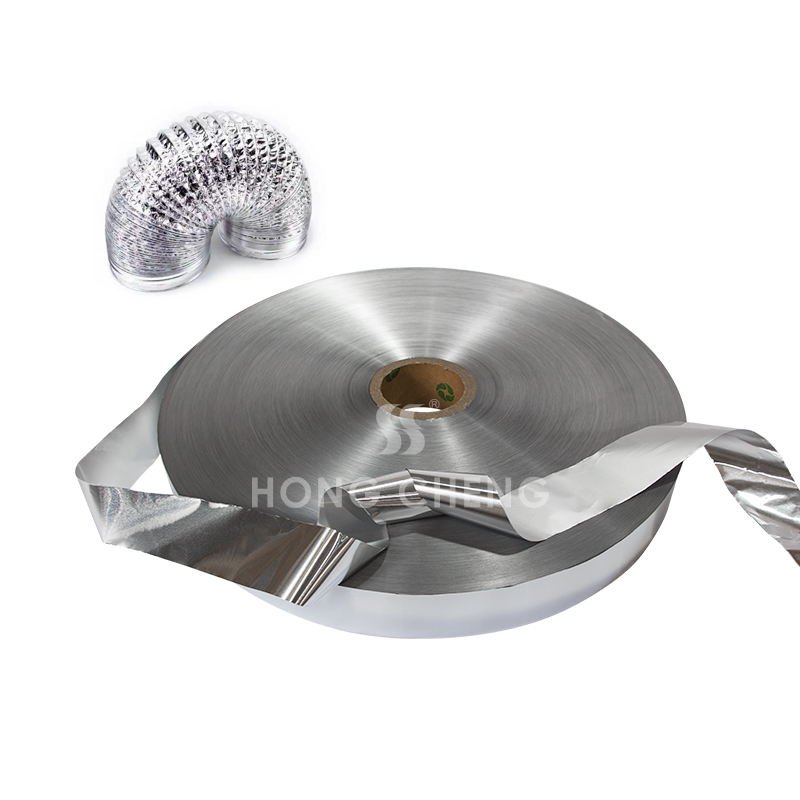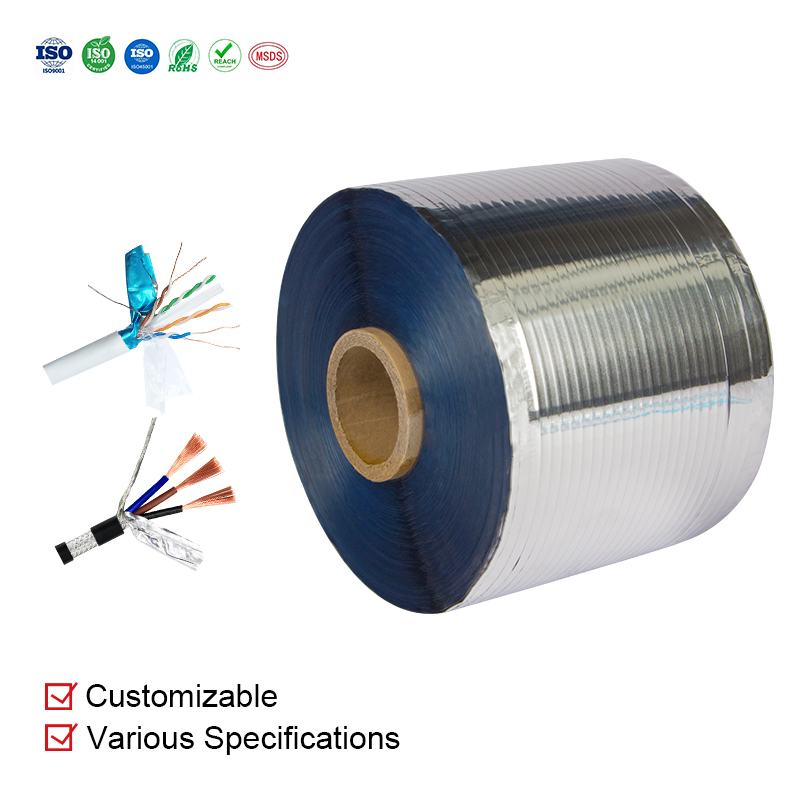
How to Choose Aluminum Mylar Tape for Automotive Wiring Harness: Five Key Selection Points
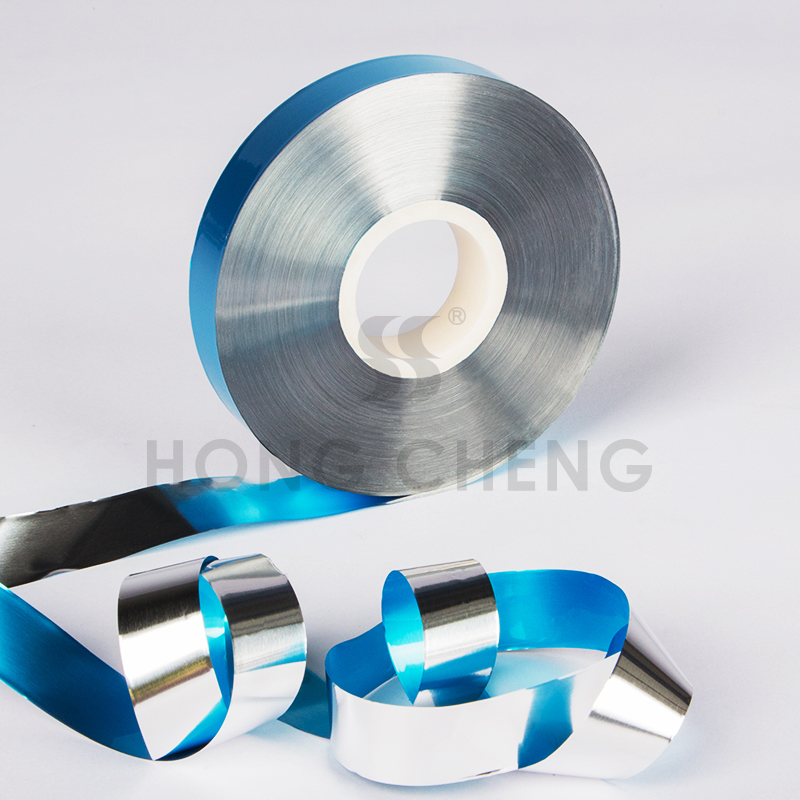
For purchasing staff at wiring harness plants and automotive cable factories, aluminum mylar tape (AL/PET shielding tape) is a high-volume material whose problems are often invisible at the moment of purchase. Whether the electromagnetic shielding actually performs only shows up during road testing — or worse, in the aftermarket. When a batch fails in the field, the cost of rework far exceeds the small saving made on unit price. This article breaks down the five selection points that truly matter when sourcing mylar tape for automotive wiring harnesses.
Point One: Decide the Structure Before Discussing Price
There are two common material routes for automotive shielding tape: pure aluminum foil laminated to PET (AL/PET), and metallized PET (VMPET) laminated structures. They look similar and differ noticeably in price, but their shielding performance is not equivalent. Pure aluminum foil structures offer continuous conductivity and suit power harnesses and signal bus applications with explicit shielding attenuation requirements. Metallized structures cost less and are typically used for ordinary low-voltage harnesses where shielding demands are moderate. The first step in selection is to obtain the shielding class requirement of the harness and then decide the material route — not the reverse, where price dictates structure.
Point Two: Foil Thickness and Uniformity
Automotive-grade shielding tape is conventionally supplied with aluminum foil in the 6μm-9μm range, with the heavy gauge at 9μm. Purchasers should not simply accept a supplier's claim of "6 microns"; ask for batch inspection reports showing measured thickness and uniformity data. Foil that is too thin, or unevenly coated, creates localized high resistance after longitudinal wrapping, forming weak points in the shield. A simple incoming check is a light-transmission inspection for pinholes, followed by multi-point micrometer measurement — uniformity matters more than a single passing data point.
Point Three: Peel Strength Is a Lifetime Indicator
Shielding tape passes through unwinding, tension traction, longitudinal forming and taping during assembly, then endures vibration and thermal cycling for the life of the vehicle. If the bond between the aluminum layer and the PET film is weak, the longitudinal overlap may curl and break shield continuity, or the wrapped section may delaminate entirely. We recommend 180° peel strength of no less than 1.5 N/15mm as the acceptance line, written into the purchase contract. On receipt, tear a sample by hand: if the layers separate cleanly at the bond line, the lamination is substandard; if the PET substrate itself tears, the bond strength is adequate.
Point Four: Temperature Class and Flame-Retardant Requirements
Harnesses near the engine compartment and the three-electrical systems of new energy vehicles operate in high-temperature environments. Both the adhesive layer and the PET substrate must match the required temperature class. Before purchasing, confirm two things: the adhesive type and its operating temperature range — Class B and Class F adhesives serve different zones, and high-temperature zones need heat-resistant adhesive; and the flame-retardant performance of the substrate and adhesive against automotive requirements. None of this should rest on verbal assurance — request test reports that correspond to the actual incoming batch numbers.
Point Five: Slitting Quality and Batch-to-Batch Consistency
Shielding tape is commonly supplied in widths from a few millimeters to several tens of millimeters, so slitting quality directly affects machine performance. Burrs on the slit edge scratch the film surface during unwinding and generate dust; poorly wound narrow rolls cause unstable tension and tape breakage. On inspection, check that edges are clean and free of saw-tooth defects, with width tolerance within ±0.3mm as a safe target. The automotive industry is especially sensitive to batch variation: adopt a sealed-sample system. After sample approval, retain the sealed sample and compare every incoming batch against it for appearance, thickness and peel strength — first-piece, middle-piece and last-piece checks included. Consistent batches mean a stable production line.
Three Common Pitfalls
First, comparing only unit price without checking structure — buying metallized tape in place of pure foil tape, then failing shielding attenuation tests. Second, uncertainty about identification: pure aluminum foil shows very low, uniform surface resistance on a multimeter, while metallized film reads clearly higher; when in doubt, require written material confirmation from the supplier. Third, treating foil thickness as the only indicator while ignoring peel strength and temperature class — field failures usually trace back to the latter two, not the thickness.
Three Recommendations for Harness Purchasers
First, select tape by harness zone and operating condition: high-temperature zones should prioritize AL/PET structures with heat-resistant adhesive, while ordinary zones may consider economical structures once shielding requirements are met. Second, write all four parameters — foil thickness, peel strength, temperature class and flame-retardant requirement — into the contract, and inspect against the contract rather than habit. Third, choose a raw-material manufacturer with proven automotive supply experience and consistent batch inspection reports; supply stability is itself part of quality.
Hongcheng Technology specializes in the R&D and production of aluminum foil laminates and PE extrusion-laminated composites. Our aluminum mylar tape and AL/PET automotive shielding tape are available in custom widths, thicknesses and structures, supported by batch inspection reports and reliable volume supply. Wiring harness plants and automotive cable manufacturers are welcome to contact us for samples and quotations.
+86 13758223270, Email: wendy@hcdxcl.com.cn
Foil Woven Fabric Laminate for Machinery Packaging: Five Purchasing Pitfalls Packaging Plants Must Avoid