Judging AL/PET Shielding Film Quality for HDMI, USB and DisplayPort High-Speed Data Cables
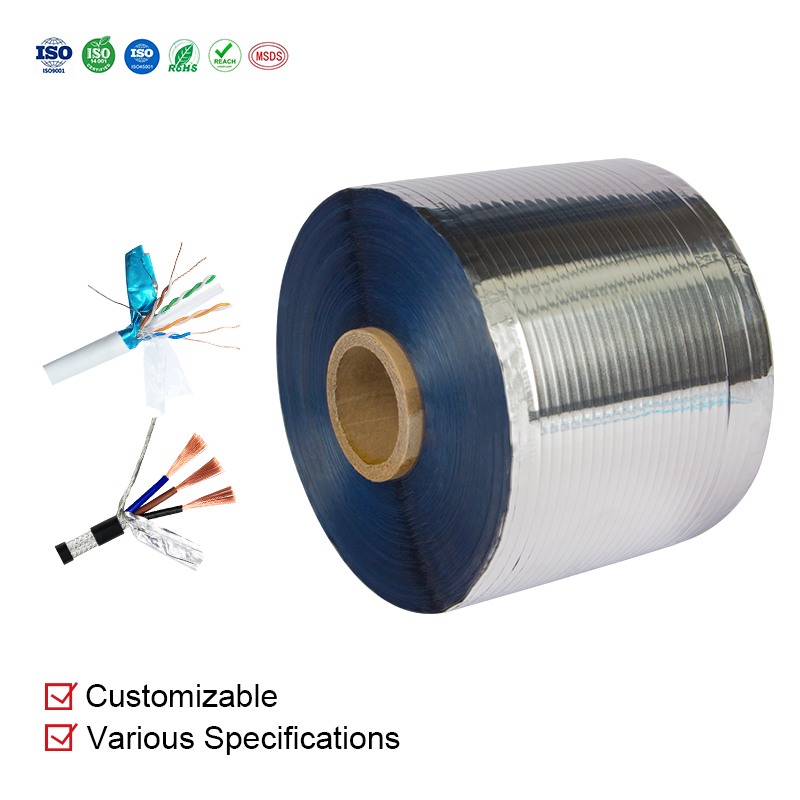
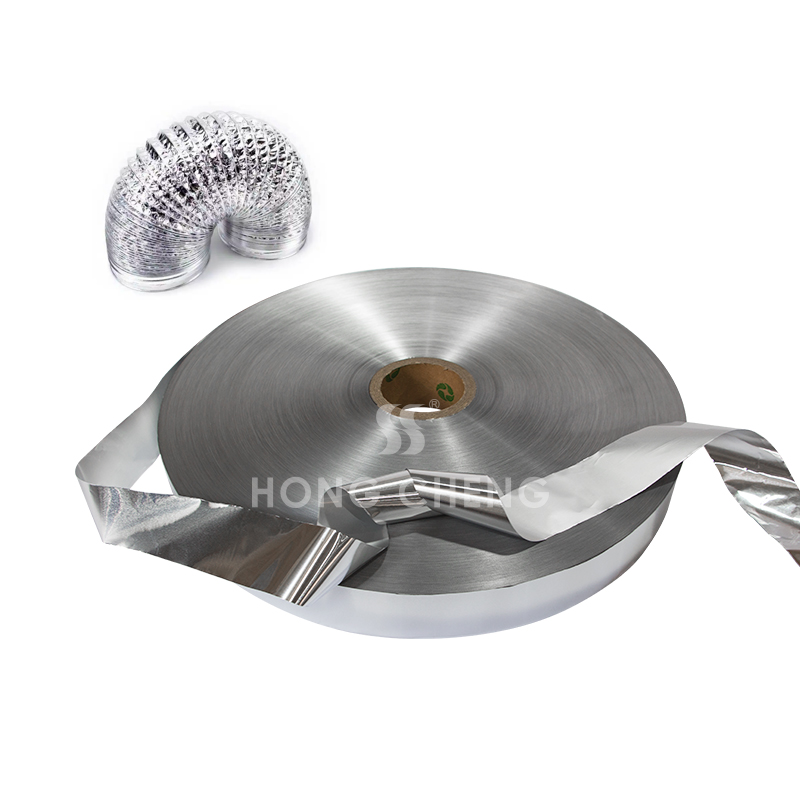
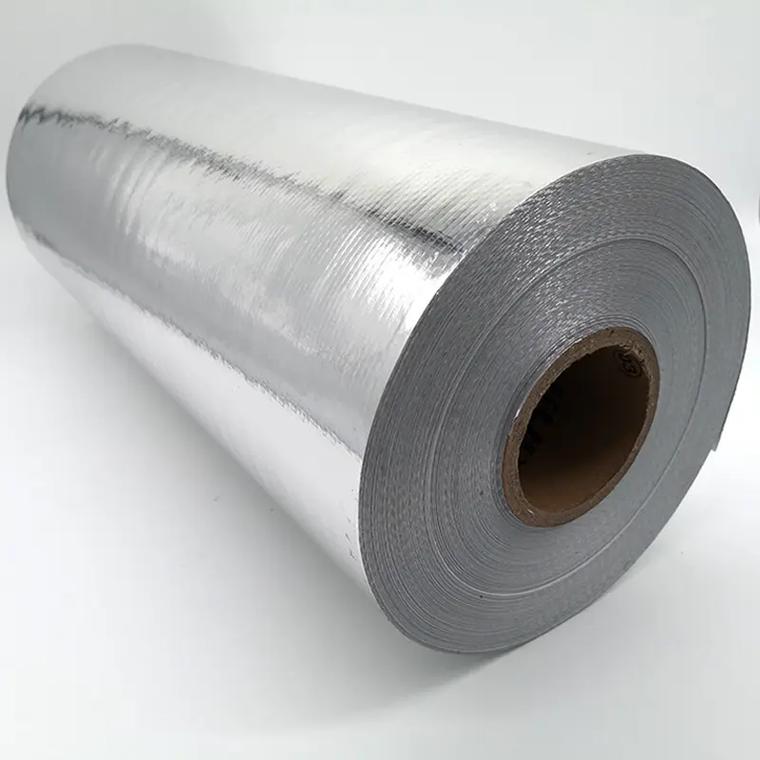
HDMI, USB 3.0/3.1/4 and DisplayPort cables now carry data rates from 5 Gbps to 40 Gbps and beyond. The faster the signal, the more demanding the shielding layer becomes. Aluminum-polyester composite shielding film — AL/PET shielding film or aluminum mylar tape — is the most widely used shielding material for these cables. It is inexpensive per meter, yet its quality directly determines whether the finished cable passes near-end crosstalk, shielding attenuation and eye-diagram tests. For cable plant purchasing teams, asking only for price and total thickness is not enough. Here are six practical dimensions for judging whether the material is genuinely suitable.
1. Aluminum Thickness: 6μm-9μm Is Standard, Uniformity Matters More Than a Single Number
The conventional aluminum layer supply range for high-speed data cable shielding film is 6μm-9μm. For ordinary USB 3.0 and HDMI 1.4 cables, 6μm-7μm is usually adequate. For high-bandwidth HDMI 2.1, USB4 and DP 2.0 cables, the heavy grade of 9μm is recommended because it offers fewer pinholes and better shielding continuity.
More important than the nominal thickness is thickness uniformity. If the aluminum layer varies along the roll, shielding attenuation curves become uneven and production consistency suffers. Require the supplier to provide a strip-by-strip aluminum thickness report, not just an average. On receipt, sample the roll and check multiple points by gravimetric method or X-ray thickness gauge. A variation exceeding ±10% deserves an explanation.
2. Pinholes: The Number-One Enemy of High-Speed Shielding
Even a thick aluminum layer will lose shielding effectiveness if it is full of pinholes. High-speed data cables typically target shielding attenuation of 40dB-60dB or higher. The more pinholes, the worse the high-frequency attenuation, and the more likely long HDMI runs will show flashing, black screens or handshake failures.
A quick field check is to hold the film against a light source. Good AL/PET film shows few light spots that are evenly distributed; poor material looks like a sieve. Where possible, ask the supplier for a pinhole density report or sample-test against IEC 60243. One of the main reasons to choose 9μm heavy-grade foil is that its pinhole rate is an order of magnitude lower than thinner grades.
3. Lamination Bond Strength: Peel Strength Is the Floor
The aluminum layer and PET carrier are held together by an adhesive layer. During high-speed data cable production the tape passes through payoff, longitudinal forming, cabling and jacket extrusion. If peel strength is insufficient, the result is fuzzing at the slitter, lifted edges during wrapping, or aluminum loss after extrusion.
The common working standard is 180° peel strength ≥1.5N/15mm. Do not rely only on the supplier's report; sample incoming rolls and test them yourself. Peel the sample by hand and feel whether the separation is even, then confirm on a tensile tester. If large areas of aluminum remain stuck to the PET surface when peeled, the aluminum pretreatment or adhesive system is suspect and the material will cause trouble on the line.
4. Surface Resistance: Do Not Let Metallized Film Pass as Aluminum Foil
This is the most common pitfall in high-speed data cable shielding film. Metallized film (VMPET) can look even brighter and flatter than true aluminum foil laminate, but its deposited metal layer is only a few hundred angstroms thick. Its surface resistance is high, its conductivity is poor, and its high-frequency shielding effectiveness is far below that of true foil. Worse, the metallized layer cracks after flexing, so flex-life or long-term use tests often reveal shielding failure.
A quick on-site test is to measure surface resistance with a multimeter. Pure aluminum foil AL/PET film shows very low resistance, close to conduction; VMPET usually shows high and unstable resistance. Write "aluminum layer is pure aluminum foil, not metallized film" explicitly in the purchase contract to remove any room for word games.
5. Slitting Quality: Edge and Width Tolerance Decide Machine Stability
The same qualified AL/PET composite can behave very differently on the machine depending on how it is slit. High-speed data cables run at high longitudinal forming speeds; burrs on the slit edge can scratch the insulation and create latent short circuits. Large width tolerance causes overlap rate to fluctuate, which in turn affects impedance and shielding continuity.
Inspect every roll for a clean, burr-free, unscratched edge. Width tolerance should be within ±0.3mm. For critical orders, run one full roll through the machine first and watch unwind tension stability and tape break frequency. If slitting produces excessive aluminum dust or visible scratches on the PET face, return the lot.
6. Structure Selection: Single-Sided, Double-Sided or AL/PET/AL
High-speed data cables use three common shielding structures:
- Single-sided AL/PET: lowest cost, suitable for ordinary USB and lower-speed HDMI pair shielding.
- Double-sided AL/PET or AL/PET/AL: aluminum on both sides gives more reliable grounding and is better for high-speed HDMI 2.1, DP 2.0 and USB4.
- AL/PET plus drain wire: the drain wire is laid under the tape to ground the shield, a common solution for premium cable constructions.
More complex is not always better. The right structure depends on the cable's flexibility, outer-diameter and cost targets. Purchasing teams should specify structure, aluminum thickness and PET grade in the contract rather than relying on verbal agreements.
Three Practical Suggestions for Cable Plant Buyers
First, define the application tier before selecting material. HDMI 2.1, USB4 and DP 2.0 benefit from 9μm aluminum; ordinary USB 3.0 and HDMI 1.4 can use 6μm-7μm. Different data rates call for different shielding levels, so avoid a one-size-fits-all specification.
Second, inspect four items on every delivery: aluminum thickness, pinholes, peel strength and surface resistance. If these four pass, the material is fundamentally usable. Add edge inspection and a line trial, and the risk is well controlled.
Third, keep a sealed reference sample. Compare each bulk delivery to the sealed sample for aluminum thickness, peel strength and pinholes. Whenever the supplier or batch changes, rerun the line trial to avoid the classic trap of "good sample, poor bulk."
Hangzhou Hongcheng Technology Co., Ltd. specializes in aluminum foil composites and PE laminated composites, supplying AL/PET shielding laminates, aluminum-polyester composite tapes and aluminum mylar tapes to manufacturers of HDMI, USB and DisplayPort high-speed data cables. We offer aluminum layers from 6μm-9μm, single-sided and double-sided constructions, and custom widths and slit specifications. For samples or technical data, contact +86 13758223270 or email wendy@hcdxcl.com.cn.
Single-Sided vs Double-Sided Foil Laminate: Structure and Selection Logic for Ventilation Duct Facing
FIBC Liner Film Market Watch: How Moisture Barrier Demand Is Reshaping Liner Sourcing