Greenhouse Thermal Screen: AL/PE vs VMPET Woven, 3 Spec Mistakes to Avoid
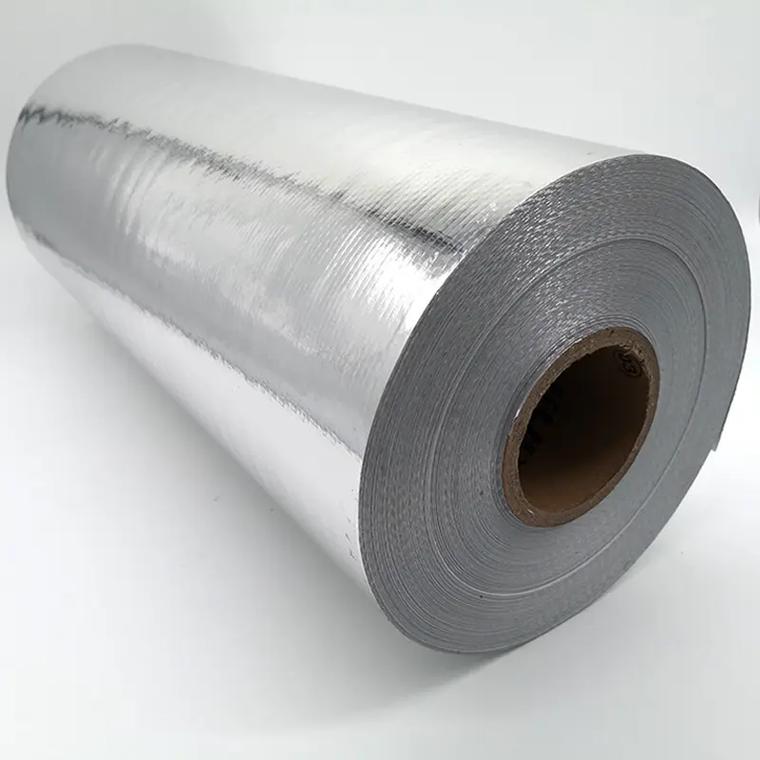
In modern agricultural greenhouses, thermal screen materials are far more than simple shading barriers. They are a core component for regulating the light-thermal environment and reducing energy consumption. A well-specified thermal screen can reduce incoming solar heat during warm daytime periods and reflect long-wave infrared radiation back into the greenhouse during cool nights, cutting both cooling and heating loads. For greenhouse contractors and agricultural procurement teams, the structure, reflectivity, and service life of the screen film directly affect the long-term operating cost of the facility.
The greenhouse thermal screen market is mainly divided into three categories: pure aluminum foil composite films, metallized film woven fabric laminates, and metallized film non-woven composites. Understanding their structural differences and application scopes is the first step to avoiding project rework and specification mismatches.
How Thermal Screens Work: Reflection and Emissivity
The energy-saving mechanism of a thermal screen can be summarized as reflection plus radiation control. During the day, a highly reflective aluminum surface bounces excess solar radiation away from the crop zone, reducing the cooling burden on ventilation and climate-control systems. At night, the same aluminum layer reflects infrared radiation emitted by the soil and plants back into the greenhouse, slowing heat loss through the roof and sidewalls.
Two key metrics determine screen performance: reflectivity and normal emissivity. Higher reflectivity means less solar heat enters or escapes through the screen. Lower emissivity means the screen itself radiates less heat away. In general, pure aluminum foil laminates can achieve reflectivity above 90% and emissivity below 0.05. Metallized film products typically deliver 80%-88% reflectivity and 0.08-0.12 emissivity, which is still significantly better than plain PE film or non-woven fabric without a metal layer.
These numbers matter in real procurement because a small change in reflectivity or emissivity can translate into measurable differences in energy use over a full growing cycle, especially in high-performance greenhouses that run climate control continuously. Buyers should always request test reports rather than relying on marketing claims, and verify that the reported values are measured under standardized conditions with traceable equipment.
Three Main Thermal Screen Structures
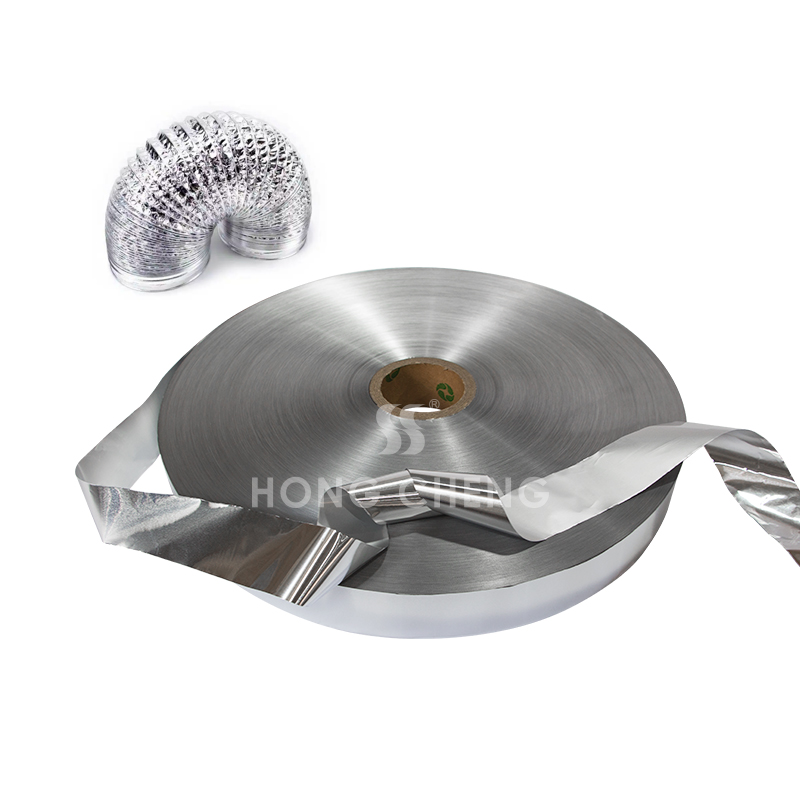
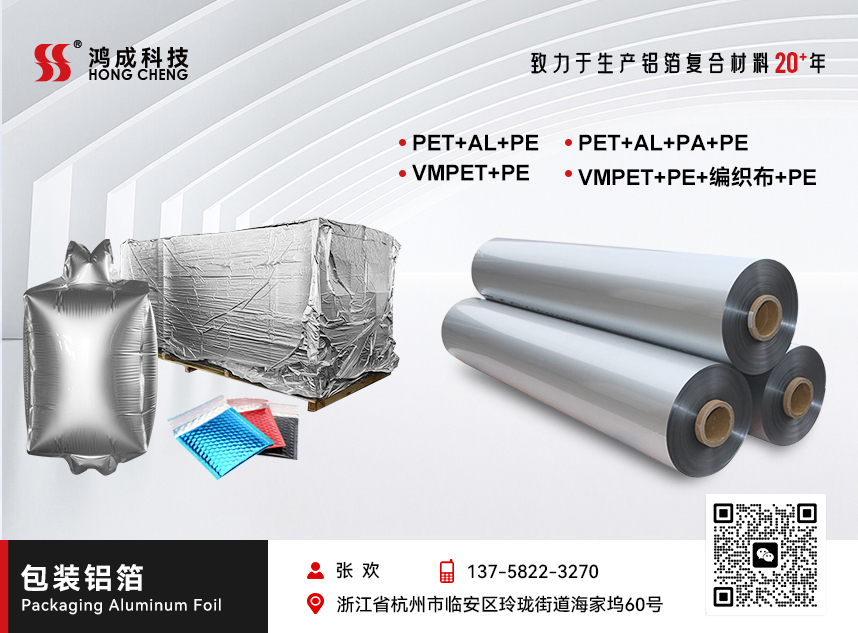
The first common structure is pure aluminum foil PE composite film, typically AL/PE or PET/AL/PE. The aluminum layer normally ranges from 6μm to 9μm, with 9μm used as the heavy grade. The PE layer provides heat-sealing, moisture barrier, and mechanical protection. Pure aluminum foil laminates offer high reflectivity and stable barrier performance, making them suitable for modern multi-span greenhouses and regions with strong low-temperature insulation requirements. When specifying this structure, buyers should confirm the aluminum purity, the PE resin grade, and the bonding strength between layers, because these three factors determine how well the film will perform after repeated rolling and long-term UV exposure.
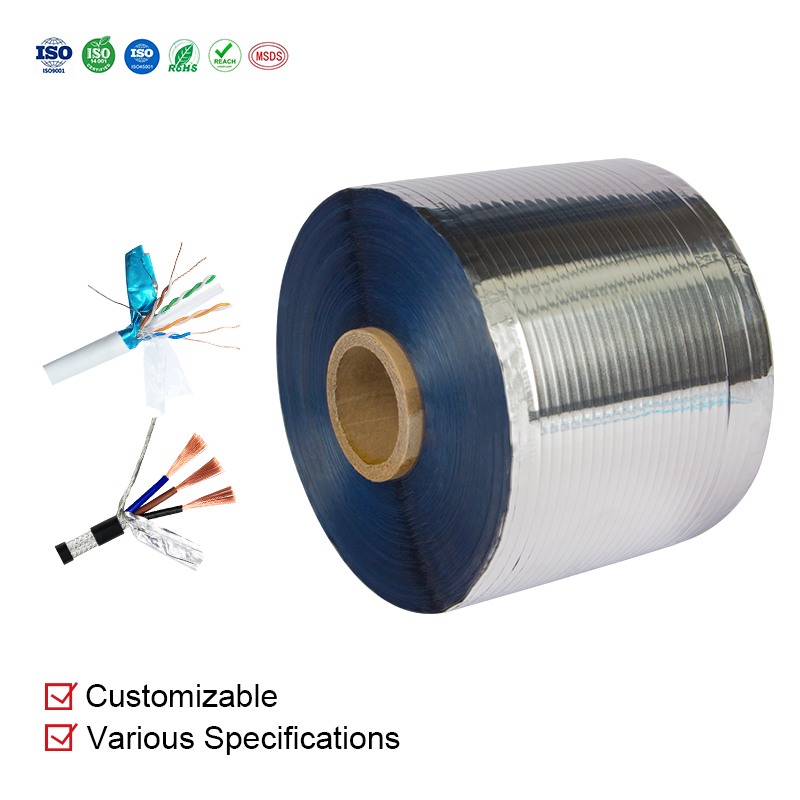
The second structure is metallized film woven fabric composite, commonly VMPET/woven fabric/PE or VMPET/PE. The metallized layer is a thin aluminum coating vacuum-deposited onto a PET substrate, usually characterized by optical density or sheet resistance. The woven fabric base provides high tensile strength and tear resistance, making this structure ideal for large-span external shading systems that are rolled and unrolled frequently. Compared with pure aluminum foil films, VMPET woven composites are lighter and more flexible, but their reflectivity and moisture barrier are slightly lower. They are therefore best suited for applications where mechanical durability and wind resistance are more important than maximum thermal insulation.
The third structure is metallized film bonded to non-woven fabric, typically VMPET/non-woven/PE. The non-woven substrate is soft and offers moderate breathability, which helps buffer humidity fluctuations and reduce leaf condensation. However, its tensile strength and outdoor durability are lower than those of woven-based products, so it is more commonly used for internal thermal screens rather than external shading. Internal screens also reduce the risk of wind damage and simplify installation in tight roof spaces, but they must be specified with care to avoid obstructing artificial lighting systems.
Selecting by Greenhouse Type and Climate
Different greenhouse types place different demands on thermal screens. Vegetable production greenhouses prioritize warm-period shading and temperature reduction, so lightweight high-reflectance metallized woven or AL/PE films are preferred. Flower and seedling greenhouses require more uniform light distribution and stronger night-time insulation, where pure aluminum foil PE composite or high-grade metallized films perform better. Research and tissue-culture facilities may also require clean, flame-retardant, and long-life materials that meet stricter hygiene standards.
From a climate perspective, northern regions with extended low-temperature periods should prioritize night insulation and choose films with high reflectivity and low emissivity. Humid southern regions need to consider moisture resistance, mold prevention, and anti-aging performance, where PE layer thickness, aluminum layer integrity, and edge sealing are critical. Coastal areas exposed to salt spray should select products with enhanced weathering PE layers and intact metallized protection to avoid premature corrosion and delamination.
Three Common Procurement Mistakes
The first mistake is equating brightness with reflectivity. A shiny aluminum surface does not automatically mean high reflectivity. What matters is the measured reflectance across the solar and infrared spectrum. Buyers should request test data for reflectivity and emissivity rather than relying on visual appearance.
The second mistake is assuming that a thicker aluminum layer is always better. While a thicker aluminum layer can improve barrier performance, exceeding the conventional 6μm-9μm range can reduce flexibility, weaken bonding strength, and raise cost unnecessarily. For most greenhouse applications, the standard 6μm-9μm range is sufficient, with 9μm serving as the heavy-duty grade for premium long-life applications.
The third mistake is comparing prices without comparing structures. An “aluminum foil thermal screen” can refer to AL/PE two-ply, PET/AL/PE three-ply, or VMPET/woven fabric/PE composites, each with very different functions and costs. Buyers should define the greenhouse type, expected service life, rolling frequency, and environmental conditions before asking the supplier to match a structure, rather than simply selecting the lowest price.
Our Role as a Raw Material Supplier
Hangzhou Hongcheng Technology Co., Ltd. specializes in aluminum foil composite materials and PE extrusion-coated laminates. We supply raw material rolls for greenhouse thermal screens, shading nets, and reflective films, including AL/PE, PET/AL/PE, and VMPET/woven fabric/PE structures. We support customized production by width, aluminum thickness, PE layer material, and bonding strength to serve agricultural facility manufacturers worldwide.
Tel / WeChat: +86 13758223270 Email: wendy@hcdxcl.com.cn
FIBC Liner Film Market Watch: How Moisture Barrier Demand Is Reshaping Liner Sourcing
How to Judge Duct Facing Quality: Five Inspection Checks for Flexible Duct Manufacturers