FIBC Liner Film Market Watch: How Moisture Barrier Demand Is Reshaping Liner Sourcing
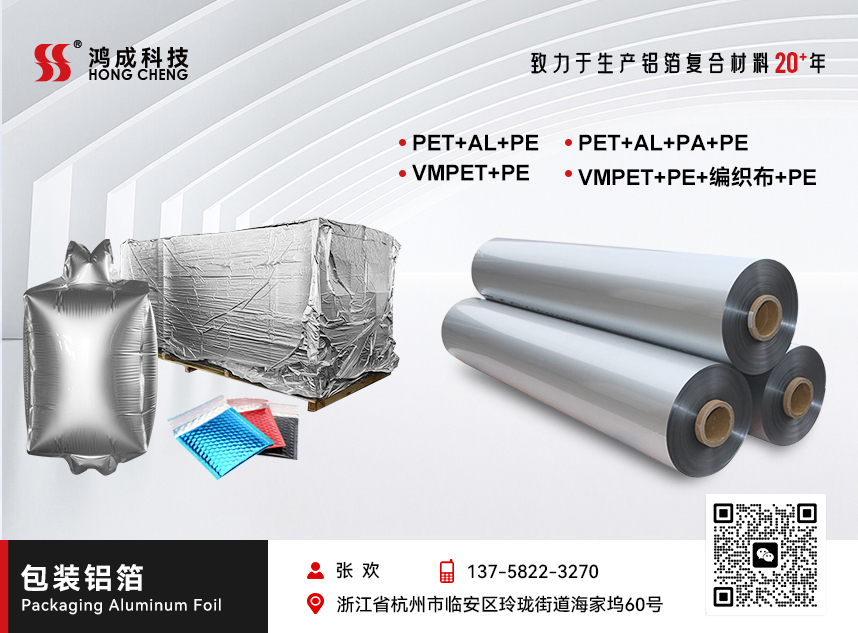
Flexible Intermediate Bulk Containers (FIBCs), or bulk bags, remain the workhorse of dry bulk export packaging, routinely carrying 500 kg to 2 tons of powders and granules per unit. For years, many FIBC manufacturers fitted their bags with plain PE liners — or shipped without liners at all. That situation is changing quickly. Over the past two years, a growing share of inquiries from end buyers explicitly request aluminum-plastic laminated liners, and chemical customers in Europe and South America increasingly specify liner structure, moisture vapor transmission rate (MVTR) and heat-sealing requirements directly in their purchase orders. Bulk export packaging is going through a genuine upgrade, and liner material is at the center of it.
1. What Is Driving the Change
Higher-value cargo. Lithium battery materials, fine chemical intermediates and food-grade additives now represent a rising share of bulk bag shipments. These products are moisture-sensitive and high in value: a single batch of caked, hygroscopic chemical powder can trigger claims far exceeding the cost of the packaging itself. End buyers therefore pay close attention to whether a liner genuinely blocks moisture, not just whether it exists.
Longer and less predictable transit times. Ocean transit has lengthened across many trade lanes, and containers spend more time at sea and in ports. Repeated day-night temperature swings inside steel containers cause condensation cycles that plain PE liners struggle to resist over extended periods. The weakness of a single PE layer becomes visible precisely when journeys stretch from weeks into months.
Stricter audits and compliance. Buyers of food-grade and pharmaceutical-intermediate goods shipping to the EU and North America increasingly demand food-contact compliance documents and batch traceability for liners during factory audits. This effectively excludes informal liner suppliers and shifts orders toward FIBC converters and material producers with stable quality systems and documentation capability.
2. The Market Trend: From "One PE Bag" to Structured Material Selection
Order patterns we see from FIBC converters show liners moving toward tiered material selection:
Plain PE liners remain standard for mineral fillers and fertilizers, though buyers now scrutinize film thickness and seal integrity more carefully than before.
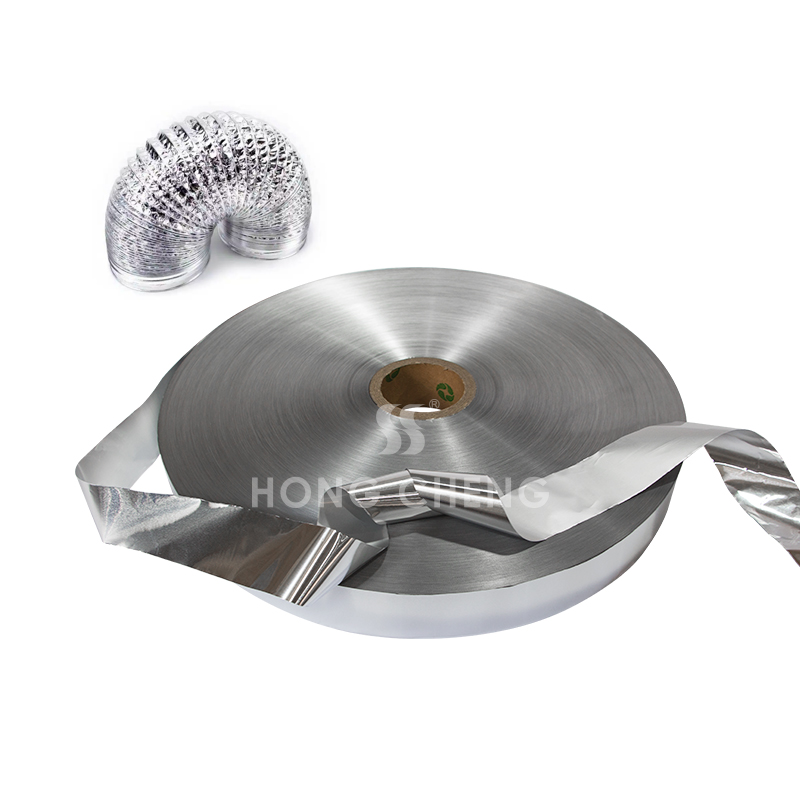
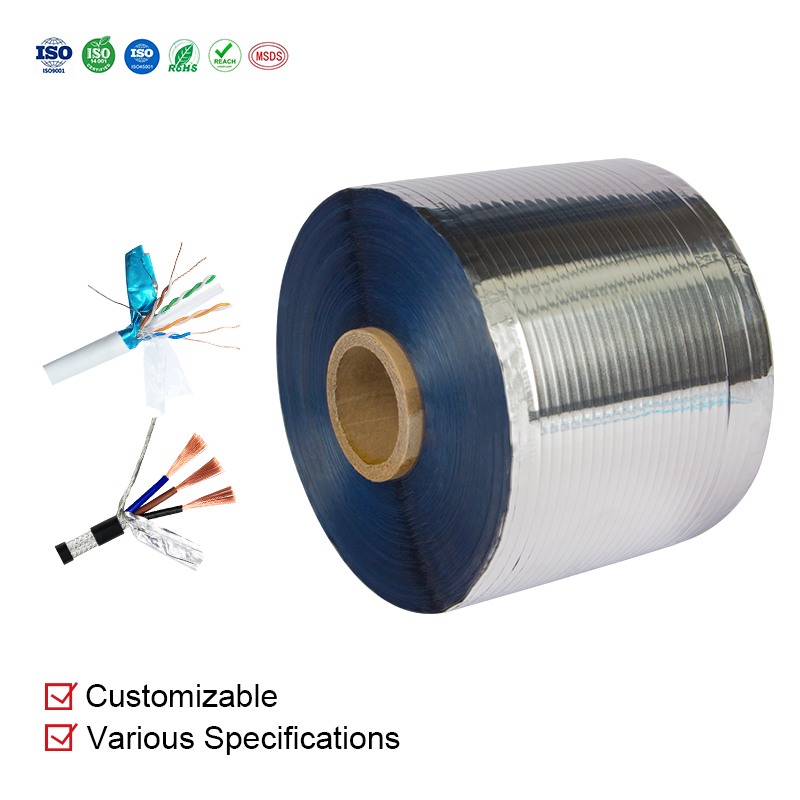
PET/AL/PE three-ply laminates are the fastest-growing segment for chemical and food-grade cargo. PET supplies mechanical strength and a printable surface, the aluminum foil layer provides the moisture and light barrier, and the PE layer handles heat sealing. The structure is mature, well understood by converters, and competitive in total cost.
VMPET/PE metallized laminates are gaining acceptance where budgets are tight but some barrier performance is still required. Their barrier is lower than that of pure foil laminates, yet the price advantage makes them a rational choice for mid-range chemicals and fertilizers with moderate sensitivity.
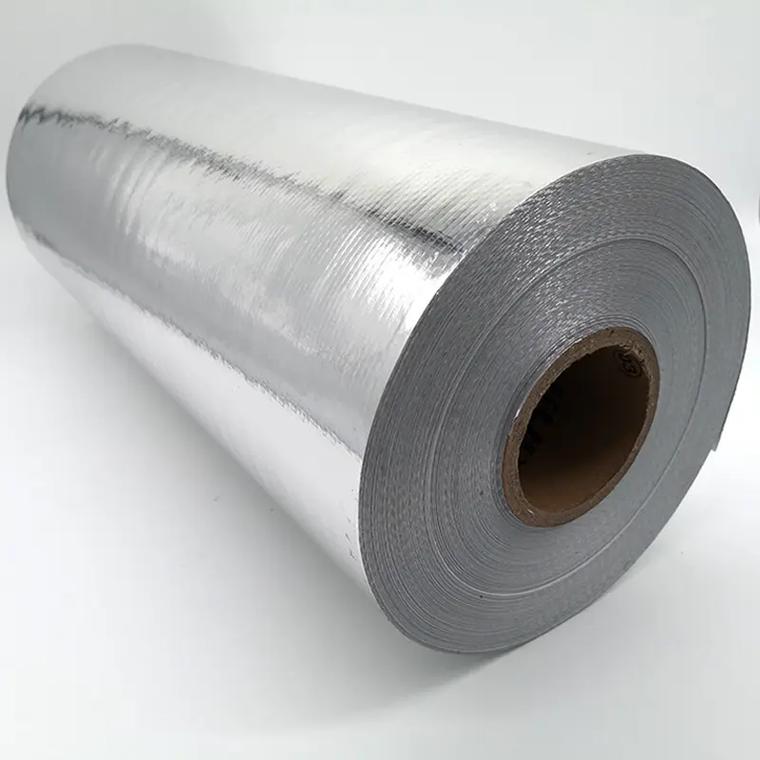
Aluminum-foil-woven-fabric laminates are entering the FIBC liner space for heavy-duty, high-puncture-risk applications. The woven layer acts as a puncture-resistant skeleton paired with a foil barrier — a sensible match for sharp crystalline products and long multi-modal journeys involving repeated handling.
For material suppliers, this means FIBC liners are no longer an accessory business but a structure-selection business. The supplier who can recommend the right structure based on the customer's cargo profile wins a seat at the table early in the project.
3. Practical Advice for FIBC Converters
Ask about the cargo before quoting. Four questions decide whether a plain PE bag or an aluminum laminate is appropriate: what is the product, what is its moisture content, how long is the transit, and are there food-contact requirements? Recommending the wrong structure exposes the converter to claims that dwarf any material savings.
Put the key parameters in the contract. For aluminum laminate liners, the foil layer thickness (commonly 6μm-9μm, with 9μm as the heavier grade), peel strength, seal strength and MVTR should all be written into contracts and verified at goods receipt. Verbal agreements on barrier performance inevitably lead to disputes.
Choose liner film suppliers on two criteria. First, structural breadth: a supplier who can stably offer PE, VMPET/PE, PET/AL/PE and foil-woven laminates allows the converter to tier its liner offering across customer segments. Second, consistency and documentation: batch-to-batch uniformity, food-contact compliance papers and per-batch test reports must keep pace with export audit schedules, or the converter's own certifications are at risk.
4. What to Watch Next
The liner upgrade is not a passing trend. It is the combined result of rising cargo values, longer and less predictable ocean transits, and increasingly strict buyer audits — three forces that reinforce one another. Converters that fold aluminum-plastic laminated liners into their standard quotation sheets and tier materials by cargo sensitivity will be the ones best positioned as this shift continues. Expect PET/AL/PE to keep gaining share in chemical and food-grade lanes, VMPET/PE to hold the value segment, and foil-woven structures to grow wherever puncture risk and journey length demand it.
Hangcheng Technology (Techfoil) is a raw-material supplier of aluminum laminate roll stock — including PET/AL/PE, VMPET/PE and foil-woven laminates — for FIBC liner converters. We do not manufacture finished bags. Custom widths, thicknesses and structures are available; contact us at +86 13758223270 or Email: wendy@hcdxcl.com.cn
Judging AL/PET Shielding Film Quality for HDMI, USB and DisplayPort High-Speed Data Cables
Greenhouse Thermal Screen: AL/PE vs VMPET Woven, 3 Spec Mistakes to Avoid