PET for flexible duct
Flexible ducts are becoming increasingly popular in HVAC systems due to their ease of installation, cost-effectiveness, and versatility. However, choosing the right material for flexible ducts is crucial to ensure optimal performance and longevity. This is where PET (Polyethylene Terephthalate) comes in. PET is a thermoplastic material that offers numerous advantages over traditional flexible duct materials like PVC and metal. Firstly, PET is highly durable, can withstand high temperatures, and is resistant to corrosion, making it ideal for use in harsh environments.
Secondly, PET is lightweight and flexible, making it easier to install and maneuver compared to heavier materials like metal. PET also facilitates airflow, improving the overall efficiency of HVAC systems. Additionally, PET does not emit harmful odors or particles, is non-toxic, and is recyclable, making it an eco-friendly choice for ductwork. It is also cost-effective, as it requires less maintenance and has a longer lifespan than traditional materials.
In conclusion, PET is the ultimate solution for flexible ducts in HVAC systems. Its durability, flexibility, efficiency, and eco-friendliness make it the ideal material for modern construction applications. Upgrade your HVAC system with PET ductwork today!
Flexible ducts have revolutionized HVAC systems, offering a level of adaptability that rigid ducts simply cannot match. As building designs become more complex, the demand for ducts that can navigate tight spaces, odd angles, and varying layouts has surged—and PET (Polyethylene Terephthalate) has emerged as the material of choice to meet these demands. Unlike PVC, which can become brittle over time, or metal, which is prone to rust and corrosion, PET brings a unique blend of resilience and versatility that makes it stand out in the market.
One of the most compelling advantages of PET flexible ducts is their exceptional durability. PET is inherently resistant to a wide range of environmental stressors, including extreme temperatures. It can comfortably operate in environments ranging from sub-zero conditions to high-heat areas near furnaces or boilers, where temperatures can exceed 120°C. This thermal stability prevents the material from warping, cracking, or melting, ensuring consistent performance even in the most demanding HVAC setups. In contrast, PVC ducts often degrade when exposed to prolonged heat, leading to leaks and reduced efficiency, while metal ducts can corrode in humid environments, especially in regions with high moisture levels or coastal areas with salt-laden air.
Lightweight and flexible, PET ducts simplify installation processes significantly. A typical PET duct weighs up to 50% less than an equivalent metal duct, reducing the physical strain on installers and eliminating the need for heavy lifting equipment. This lightweight nature also makes it easier to maneuver through tight spaces, such as between floor joists, within wall cavities, or around structural obstacles. The material’s flexibility allows it to bend and curve without compromising its structural integrity, reducing the need for additional joints or elbows. Fewer joints mean fewer potential leak points, which in turn improves airflow efficiency and reduces energy loss—a critical factor in maintaining low operational costs for HVAC systems.
Airflow efficiency is another area where PET ducts excel. The smooth inner surface of PET minimizes air resistance, allowing air to flow freely through the ductwork with minimal pressure drop. This not only reduces the workload on HVAC fans but also ensures that conditioned air reaches its destination more effectively, improving overall system efficiency. In comparison, metal ducts often have rougher interiors due to manufacturing processes, and PVC ducts can develop surface irregularities over time, both of which hinder airflow and force systems to consume more energy to maintain desired temperatures.
Health and safety are paramount in any building, and PET ducts deliver on both fronts. Unlike some PVC variants, which may release volatile organic compounds (VOCs) or harmful fumes when heated, PET is non-toxic and emits no hazardous substances. This makes it an ideal choice for residential buildings, schools, hospitals, and offices, where indoor air quality is a top priority. Additionally, PET is resistant to mold and mildew growth, a common issue in humid climates. Its non-porous surface prevents moisture from being trapped, eliminating the breeding grounds for harmful microorganisms that can compromise air quality and cause health issues for occupants.
Eco-friendliness is another key benefit of PET flexible ducts. PET is fully recyclable, and many manufacturers now produce PET ducts using recycled materials, reducing the reliance on virgin plastics and lowering the carbon footprint of production. Unlike metal ducts, which require significant energy to mine, refine, and shape, PET production consumes less energy and generates fewer greenhouse gas emissions. Furthermore, the long lifespan of PET ducts—often exceeding 20 years with minimal maintenance—reduces the need for frequent replacements, minimizing waste and contributing to a more sustainable building lifecycle. In an era where green building certifications like LEED are increasingly valued, PET ducts offer a tangible way to reduce a building’s environmental impact.
Cost-effectiveness is a major driver behind the adoption of PET ducts. While the initial cost of PET may be slightly higher than PVC, its longevity and low maintenance requirements make it a more economical choice over time. Metal ducts, for example, require regular inspections, rust treatment, and occasional replacement of corroded sections—costs that add up significantly over the system’s lifespan. PET ducts, on the other hand, require little more than periodic cleaning to remove dust and debris, eliminating the need for costly repairs or replacements. Additionally, their energy efficiency translates to lower utility bills, as HVAC systems do not need to work as hard to circulate air, further reducing long-term operational costs.
The versatility of PET ducts extends beyond traditional HVAC applications. They are increasingly used in specialized systems, such as data center cooling, where precise airflow control and resistance to heat are critical. Their flexibility also makes them ideal for retrofitting older buildings, where modifying existing ductwork to accommodate new HVAC systems can be challenging. In these scenarios, PET ducts can be easily adapted to fit existing spaces without the need for extensive structural modifications, saving both time and money.
As technology advances, manufacturers are continuing to enhance PET duct performance. New formulations are being developed to improve fire resistance, with some PET ducts now meeting strict fire safety standards for commercial and industrial buildings. Others are being engineered with enhanced insulation properties, reducing heat loss and improving energy efficiency even further. These innovations are expanding the range of applications for PET ducts, solidifying their position as a leading material in the HVAC industry.
In summary, PET flexible ducts represent a significant advancement in HVAC technology, offering a winning combination of durability, flexibility, efficiency, and sustainability. Their ability to withstand harsh conditions, simplify installation, improve airflow, and reduce environmental impact makes them an ideal choice for modern buildings. Whether in residential, commercial, or industrial settings, PET ducts deliver long-term value, lower operational costs, and a healthier indoor environment. For anyone looking to upgrade their HVAC system or install a new one, PET flexible ducts are a smart investment that will pay dividends for years to come.
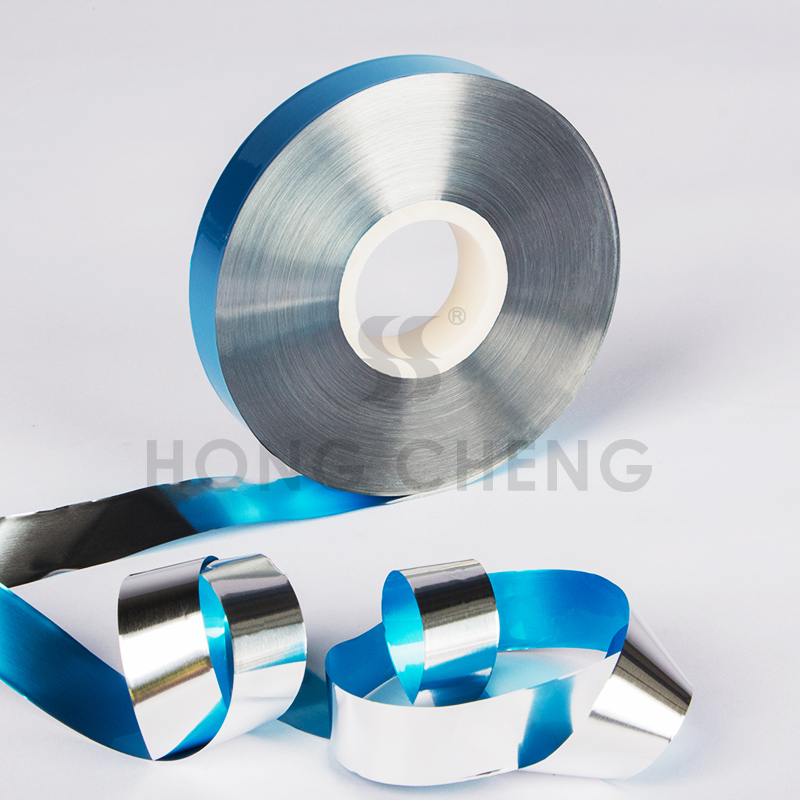
White PET extruding with PE
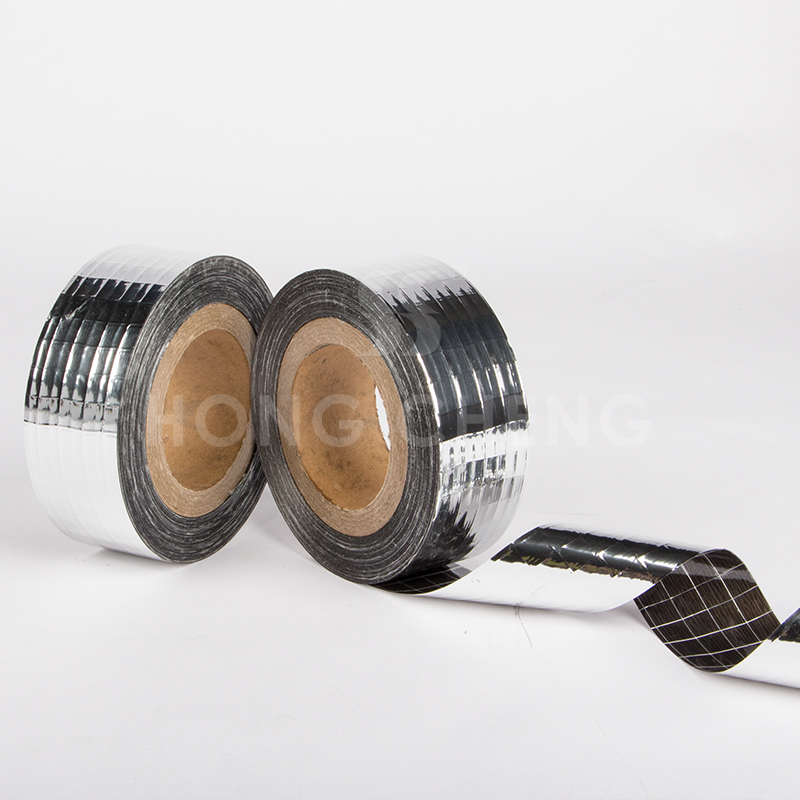
Fiber glass mesh Foil