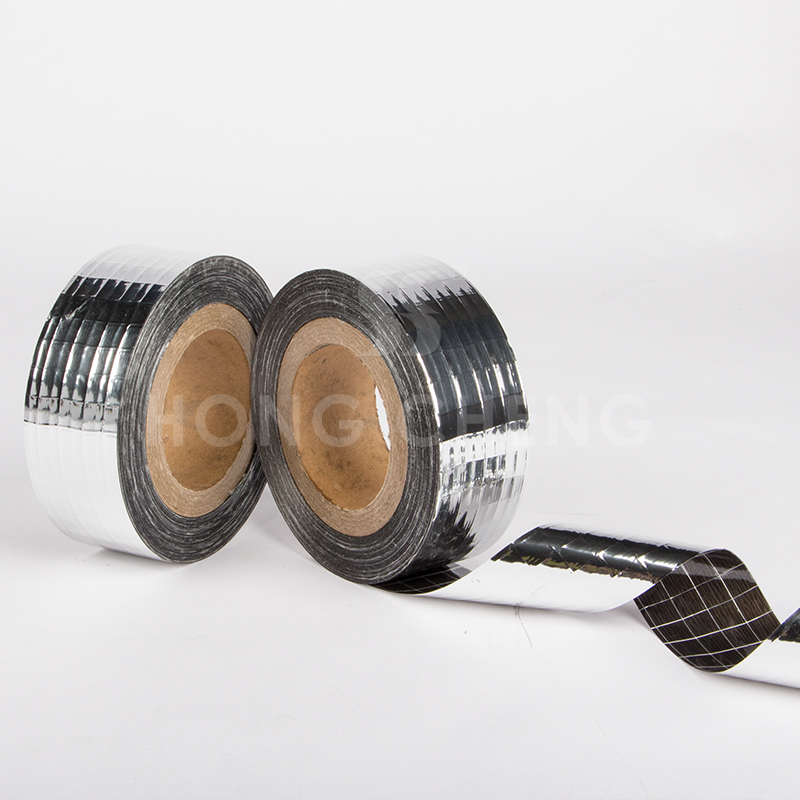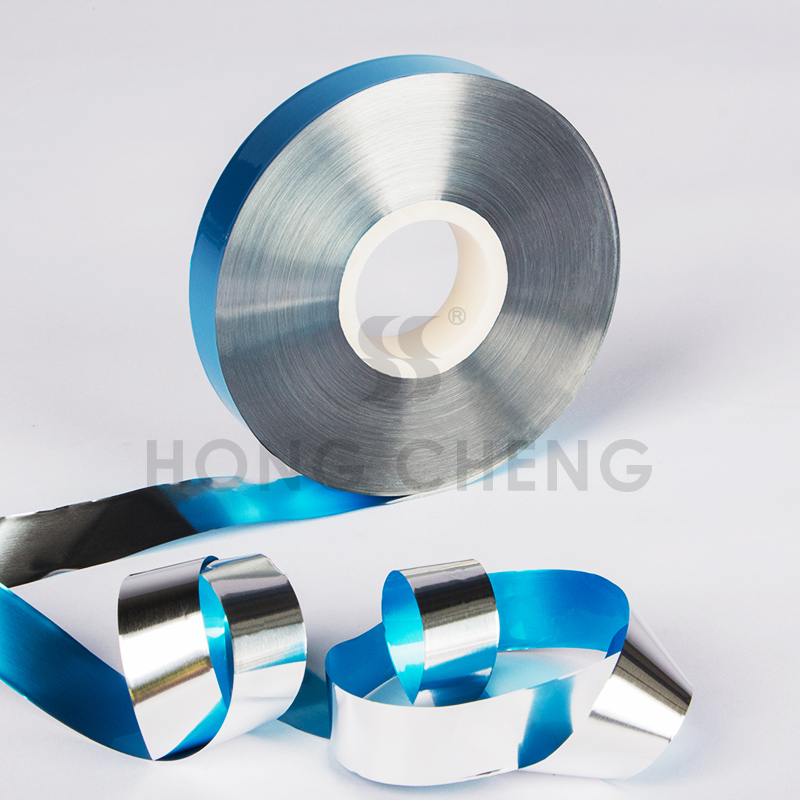
Aluminum Foil Shielding Tape: The "Signal Guardian" of Cable & Electronics Industry
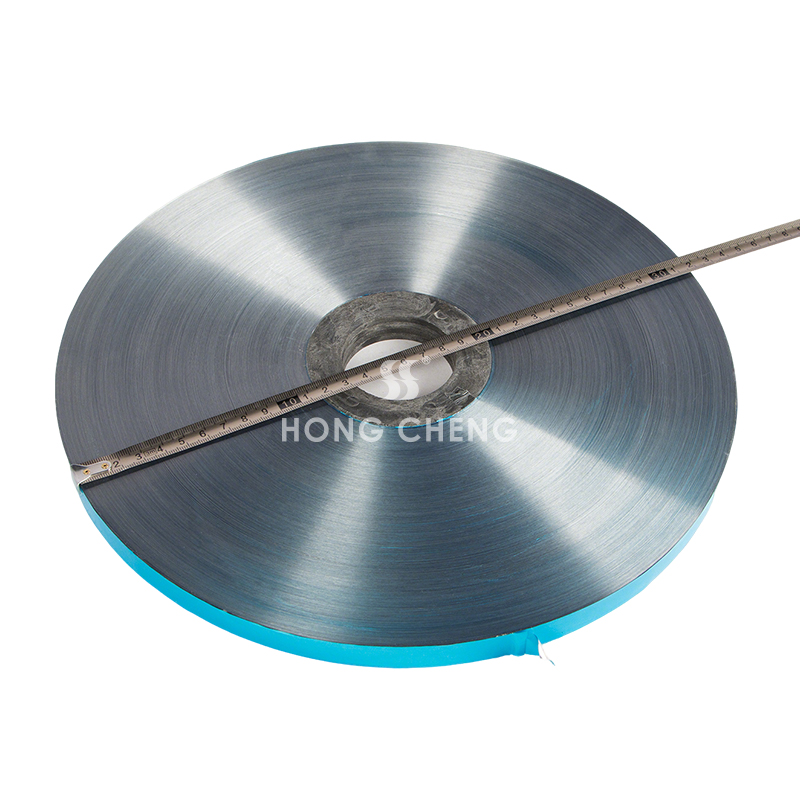
As 5G networks are deployed at massive scale, new energy vehicles accelerate their rollout, and data center construction surges globally, the cable and electronics industry is entering an unprecedented era of demand for electromagnetic shielding performance. Aluminum foil shielding tape, as one of the most critical functional raw materials in cable manufacturing, is experiencing synchronized acceleration in both market demand and technical iteration. This article offers an in-depth analysis of the current applications and future trends of aluminum foil composite materials in cable and electronic shielding, from the perspectives of market dynamics, technical principles, and raw material selection.
Market Background: A Full-Scale Upgrade of EMC Requirements
In 2026, global cable industry output is expected to surpass USD 250 billion, with communications cables, data transmission cables, and high-voltage harnesses for new energy vehicles leading the growth. Meanwhile, electromagnetic compatibility (EMC) certification requirements are tightening worldwide — the EU's updated EMC Directive 2014/30/EU has raised limits on radiated emissions and conducted disturbances, while China's GB/T 17618 standard series continues to be revised upward.
This regulatory trend directly drives demand for shielded cables. The shielding layer in such cables typically consists of aluminum foil, copper braid, or a combination of both. Aluminum foil composite shielding tape — thanks to its light weight, lower cost, stable processability, and compatibility with high-speed spiral-wrap production lines — has become the mainstream shielding solution for communication cables, sensor cables, and control cables.
Technical Principles: How Aluminum Foil Achieves Electromagnetic Shielding
The ability of aluminum foil to shield electromagnetic interference relies on two fundamental physical mechanisms:
Reflection Loss: Aluminum is an excellent conductor (electrical conductivity ≈ 3.5×10⁷ S/m). When electromagnetic waves reach the aluminum foil surface, the vast majority of energy is reflected and prevented from penetrating into — or radiating out of — the cable.
Absorption Loss: The small amount of electromagnetic energy that does enter the foil is converted into heat through induced eddy currents, further attenuating the interfering signal.
In practice, single-layer aluminum foil thickness typically ranges from 6 to 25 µm. Foil that is too thin may develop pinholes or tears during wrapping, compromising shielding continuity; foil that is too thick adds weight and cost while reducing flexibility. Aluminum foil composite materials — aluminum foil laminated with PE, PP, or PET film — represent the optimal engineering solution. The PE or PET backing layer not only improves the foil's physical strength and tear resistance but also provides better heat-sealing or bonding properties with cable jacket materials.
Common specifications of aluminum foil shielding composites include:
- AL/PE Composite: Suitable for standard communication cables; lower cost and excellent wrap performance
- AL/PET Composite: Superior heat resistance; preferred for data cables and automotive wiring harnesses
- AL/Copper/PET Three-Layer Composite: Highest shielding effectiveness; used in military, aerospace, or high-precision instrument cables
New Energy Vehicles: The New Growth Engine for Aluminum Foil Shielding Tape
The most significant new source of demand growth currently comes from the new energy vehicle (NEV) market. A single electric vehicle's high-voltage wiring harness system contains hundreds of cables — covering battery pack connections, motor drive harnesses, onboard charger cables, and OBC wiring. These high-voltage harnesses operate at up to 800V or higher, generating intense electromagnetic interference that poses a serious threat to other electronic control systems within the vehicle, including ABS units, ADAS sensors, and in-vehicle communication modules.
As a result, NEV high-voltage harnesses impose far more stringent requirements on shielding materials: shielding effectiveness must remain stable across a wide frequency range from 10 MHz to 3 GHz, and the materials must withstand continuous operating temperatures exceeding 125°C. AL/PET composite shielding tapes with high heat resistance are rapidly penetrating this application segment, driving sustained growth in demand for the underlying composite raw materials.
Raw Material Selection: Critical Quality Considerations
For cable manufacturers, selecting aluminum foil composite shielding tape requires careful attention to several key performance indicators:
- Aluminum Foil Thickness Uniformity: Excessive thickness variation can create localized weak points in the shielding layer after wrapping, reducing overall shielding continuity.
- Composite Bond Strength: The peel strength between aluminum foil and PE/PET film determines shielding tape reliability under cable bending and tensile stress — typically required to be ≥1.5 N/15mm.
- Pinhole Rate: Pinholes are the most concealed defect in aluminum foil shielding and directly impact shielding effectiveness. High-quality foil should maintain a pinhole density of <10 per m².
- Width Consistency and Edge Quality: These directly affect feed stability on wrapping machines and the finished appearance of the cable.
- Conductivity (for longitudinal wrapping applications): Some cable processes require aluminum foil applied longitudinally to establish grounding continuity with copper wire; it is essential that the foil surface is free of oxide layers that could increase contact resistance.
Outlook: High-Frequency and Lightweight Trends Driving Material Innovation
As 5G millimeter-wave applications gradually expand and automotive Ethernet (10G Base-T1) penetrates in-vehicle communication, cable shielding materials face mounting challenges at higher frequency bands. Conventional aluminum foil shielding performance at GHz-range frequencies must be reinforced through multilayer composite structures or the introduction of conductive coatings.
Simultaneously, the "lightweight" trend is reshaping raw material specifications. Aerospace and new energy vehicle sectors increasingly demand that shielding effectiveness be maintained while minimizing harness weight — driving growing interest in ultra-thin aluminum foil (6–8 µm) laminated with high-strength PET film.
Hangzhou Hongcheng Technology has long been dedicated to the R&D and large-scale production of aluminum foil composite materials. We offer customized AL/PE and AL/PET composite shielding tape products tailored to specific cable application scenarios, supporting a full range of thickness specifications, width slitting options, and roll weight customization — empowering cable manufacturers to enhance their product competitiveness in a demanding global market.
How Aluminum Foil Composite Materials Boost Building Energy Efficiency
Aluminium Foil Composite Materials in Industrial Packaging: Applications, Advantages and Market Trends