Is the Thicker the Aluminum-Plastic Composite Film, the Better? Break the Misconception, Scientific Selection is Key
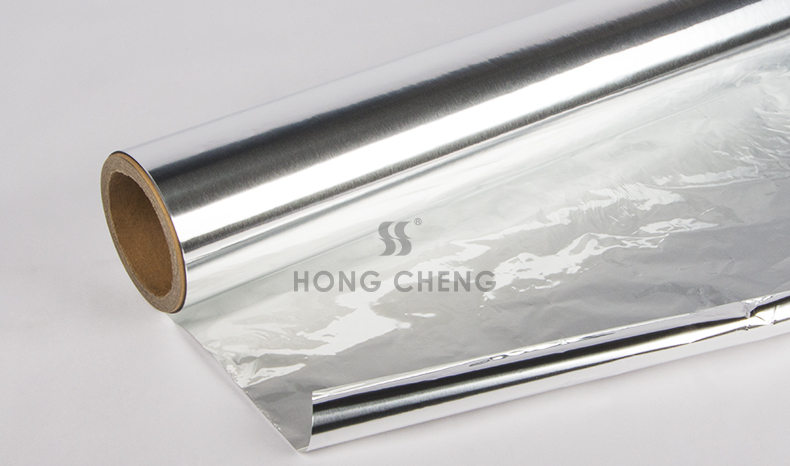
In the process of purchasing and applying aluminum-plastic composite films, many practitioners have a common misunderstanding: they believe that the thicker the film, the better the quality and the stronger the protective performance. In fact, this is not the case. The core performance of aluminum-plastic composite films depends on key factors such as material matching, composite process, and aluminum foil purity, while thickness is only a secondary condition affecting performance. Blindly pursuing thick films will not only increase procurement costs but also lead to mismatching between products and usage scenarios, resulting in resource waste. Combining actual industry application scenarios, this article analyzes the relationship between thickness and performance, breaks the misconception of "the thicker the better", and provides a reference for scientific selection.
First, it should be clear: the protective performance of aluminum-plastic composite films depends on structural design and material quality, not just thickness. The core functions of aluminum-plastic composite films are to block water vapor, oxygen, light, and provide certain mechanical protection. These performances are mainly determined by the purity and thickness of the middle aluminum foil layer, the material of the outer substrate (PET, PA, etc.), and the composite process. For example, a thin aluminum-plastic composite film (total thickness 50μm) with high-purity (≥99.5%) aluminum foil (thickness 12μm) + high-quality PET/PE substrate may have better barrier properties and puncture resistance than a thick film (total thickness 80μm) with low-purity aluminum foil and inferior substrate.
Blindly pursuing thick films will directly lead to a significant increase in procurement costs and a serious imbalance in cost performance. The cost of aluminum-plastic composite films is positively correlated with thickness. For every 10μm increase in thickness, the cost increases by about 15%-20%. For scenarios such as ordinary food packaging and conventional industrial protection, thin films (total thickness 40-60μm) can already meet basic needs. If thick films (above 80μm) are forcibly selected, the unit area cost will be significantly increased, and the extra thickness cannot bring a significant improvement in performance, which is an invalid cost input. Especially for enterprises with bulk purchases, long-term use of thick films will significantly increase production costs and weaken the price competitiveness of products.
More importantly, thick films are not suitable for all scenarios, and may even affect the user experience and product performance. In some scenarios requiring high flexibility and fit, such as irregular product packaging and small electronic component protection, thick films have poor flexibility, are difficult to fit closely to the product surface, are prone to wrinkles and damage, and thus reduce the protective effect; in high-speed packaging production lines, excessively thick films will increase the operating load of equipment, reduce production efficiency, and may also cause problems such as unstable heat sealing and difficult die-cutting. In addition, some thick films may have quality hidden dangers such as delamination and bubbles due to immature composite processes, and their actual service life is even shorter than that of well-crafted thin films.
The core of scientific selection is to match the corresponding thickness and structure according to the actual needs of the use scenario, rather than blindly pursuing "the thicker the better". The thickness requirements of aluminum-plastic composite films vary significantly in different scenarios: for ordinary food packaging (such as snacks, dried goods), a film with a total thickness of 40-60μm can meet the needs of moisture and oxygen resistance; for medical packaging and high-end food packaging (such as cold chain food), which have higher requirements for barrier properties, a film with a total thickness of 60-80μm can be selected, focusing on optimizing the thickness of the aluminum foil layer and the quality of the substrate; for scenarios with extremely high requirements for mechanical strength such as industrial protection and new energy battery packaging, the thickness can be appropriately increased to 80-100μm, but the composite process and material grade need to be improved simultaneously to ensure that the performance matches the thickness.
In addition, when selecting products, attention should also be paid to the "effective thickness" rather than the simple total thickness. The so-called effective thickness refers to the thickness of the aluminum foil layer and the core substrate, not the thickness of the filling layer. Some manufacturers, in order to pursue the gimmick of "thick film", increase the thickness of the low-cost filling layer, but reduce the aluminum foil purity and the quality of the core substrate, resulting in no improvement in the actual protective performance of the film, but an increase in cost. When purchasing, you should ask the manufacturer to provide a detailed description of the thickness composition, focusing on the thickness of the aluminum foil layer (usually recommended ≥12μm) and the quality of the substrate, rather than simply comparing the total thickness.
In summary, the quality and performance of aluminum-plastic composite films are never determined by thickness alone. Breaking the misconception of "the thicker the better", and selecting products with excellent materials, exquisite craftsmanship and suitable thickness according to the protective needs and cost budget of the use scenario, can achieve the dual optimization of protective effect and cost performance. For enterprises, scientific selection can not only reduce production costs but also improve product competitiveness, avoiding resource waste and use hidden dangers caused by blindly pursuing thick films.
Industrial Applications of Aluminum Foil Composite Materials: 2026 Market Overview Across Four Key Sectors
Hangzhou Hongcheng Technology at CABEX Russia 2026