What Special Requirements Are There for the Shielding Material of Robot Drag Chain Cables?

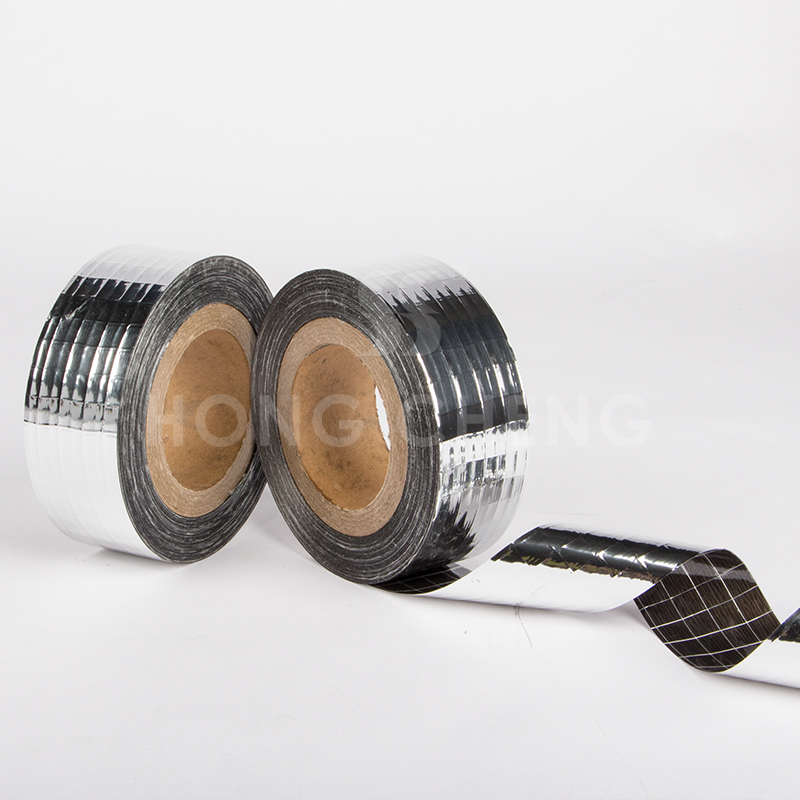
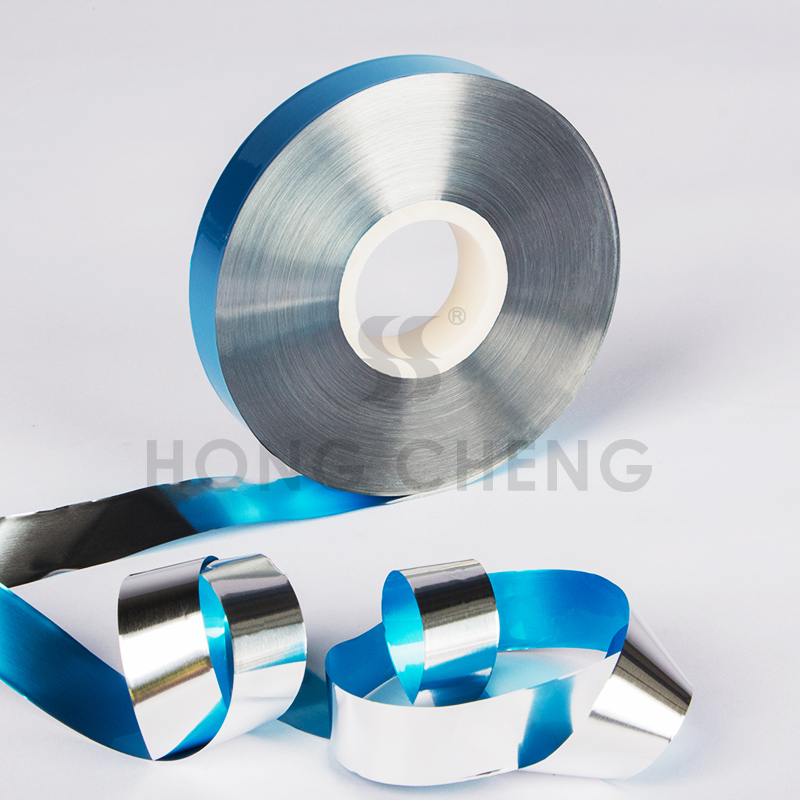
In industrial automation scenarios, robot drag chain cables serve as the core carriers for power and signal transmission, and the performance of their shielding materials directly determines the stability and accuracy of equipment operation. Unlike ordinary cables, robot drag chain cables need to withstand complex working conditions such as long-term reciprocating bending, mechanical friction, and electromagnetic interference for a long time, which puts forward a series of special requirements for shielding materials. Aluminum-plastic composite film has become the preferred material in this field due to its accurate adaptation to these requirements.
High shielding effectiveness is the core prerequisite. Industrial workshops are filled with strong electromagnetic radiation sources such as frequency converters, servo motors, and welding equipment. If the effectiveness of the drag chain cable shielding material is insufficient, signal transmission is prone to interference, which may lead to robot movement deviations, command delays, and even equipment failures. Therefore, the shielding material must have excellent electromagnetic wave blocking capabilities, which can efficiently reflect and absorb external radiation while cutting off the electromagnetic leakage path. The aluminum foil layer in the aluminum-plastic composite film can form a continuous and dense shielding structure, with a shielding effectiveness usually reaching more than 40dB, far exceeding that of ordinary braided shielding materials, accurately meeting the strict requirements of robots for signal integrity.
Bending resistance and fatigue resistance are essential properties. During robot operation, the drag chain needs to drive the cable to perform millions of reciprocating bends (the number of bends can reach more than 10 million times in some scenarios). Ordinary shielding materials (such as single metal foil, braided mesh) are prone to cracking, delamination, and fracture under long-term bending, leading to shielding failure. This requires the shielding material to have both flexibility and structural stability: through a special composite process, the aluminum-plastic composite film closely combines aluminum foil with a bending-resistant plastic substrate (such as modified PE, PET). It not only retains the high shielding performance of aluminum foil but also uses the elasticity of the plastic substrate to relieve bending stress. Even after long-term reciprocating movement, the integrity of the shielding structure can still be maintained, avoiding the impact of fatigue damage on cable performance.
Resistance to environmental erosion cannot be ignored. In industrial scenarios, drag chain cables are often exposed to harsh environments such as oil pollution, cooling fluid, dust, and high and low temperatures (-40℃~125℃). If the shielding material lacks corrosion resistance and weather resistance, it is easily eroded by chemical substances or becomes brittle and soft due to temperature changes, thereby losing its shielding function. The outer plastic substrate of the aluminum-plastic composite film can be formulated with oil-resistant and chemical corrosion-resistant formulas, and the inner aluminum foil can isolate moisture and corrosive gases, forming a "double protection". This ensures that the performance of the shielding material remains stable in oil-polluted workshops, welding stations, low-temperature storage, and other scenarios, without being interfered by environmental factors.
Lightweight and compactness adapt to installation needs. As robots develop towards miniaturization and high precision, the internal space of the drag chain becomes increasingly compact, and the cable diameter needs to be strictly controlled, which puts forward "lightweight" requirements for the thickness and weight of the shielding material. Although the traditional multi-layer shielding structure (such as "braided mesh + aluminum foil") has a good shielding effect, it is thick and heavy, which easily causes the cable outer diameter to exceed the standard and cannot be adapted to the narrow drag chain space. The aluminum-plastic composite film adopts a single-layer or double-layer composite structure, with a thickness of 0.1~0.3mm and a weight of only 1/3~1/2 of the traditional shielding material. While ensuring shielding effectiveness, it greatly reduces the overall volume and weight of the cable, meeting the compact installation design requirements of robots.
Mechanical strength ensures long-term reliability. During the movement of the drag chain, the cable will rub against the drag chain groove and other cables. If the mechanical strength of the shielding material is insufficient, it is easily worn and damaged, leading to shielding failure. The plastic substrate (such as PET) in the aluminum-plastic composite film itself has excellent wear resistance and puncture resistance. Combined with the metal toughness of the aluminum foil, it can form a dual mechanical protection with both "anti-friction and anti-puncture". Even under long-term friction or slight collision, the shielding material can still remain intact, avoiding cable failures caused by physical damage and prolonging the service life of the cable.
From the development trend of industrial automation, the requirements for drag chain cables by robots will become increasingly strict. As a "signal protection barrier", the performance of shielding materials is directly related to the accuracy and efficiency of intelligent manufacturing. Aluminum-plastic composite film has become the mainstream choice for robot drag chain cable shielding materials because it can fully meet the special requirements of "high shielding, bending resistance, environmental resistance, lightweight, and high mechanical strength". In the future, with the upgrading of material technology (such as nano-coating enhancement and multi-layer composite structure optimization), its shielding performance and adaptability will be further improved, providing a more reliable guarantee for the stable operation of industrial robots.
Hangzhou Hongcheng Tech Shines at 2025 Vietnam Int’l Wire & Cable Show
The Key to Tea Preservation: Kraft Paper Aluminum Foil