VMPET Metalized Film in HVAC Flexible Duct: Advantages & Selection Guide
In HVAC systems, flexible ducts are essential components connecting main ductwork to terminal diffusers, widely deployed across commercial buildings, residential projects, and industrial facilities. The outer jacket material of a flexible duct directly determines its reflective insulation performance, UV resistance, and service life. Among available options, VMPET (Vacuum Metalized Polyester) film has emerged as a mainstream choice for duct facing, offering a compelling balance of performance and cost-effectiveness.
Common Facing Materials for Flexible Ducts
The HVAC flexible duct market features several outer jacket material categories:
Single-sided aluminum foil facing — Aluminum foil laminated to a PET or PE substrate provides high reflectivity and effective moisture resistance. Foil gauges typically range from 7 to 12μm, making this a proven solution for standard air conditioning systems with moderate insulation requirements.
Double-sided aluminum foil facing — Foil layers on both the inner and outer surfaces deliver superior thermal insulation and vapor barrier performance. This configuration is common in commercial HVAC installations where thermal efficiency is critical, though at a higher material cost.
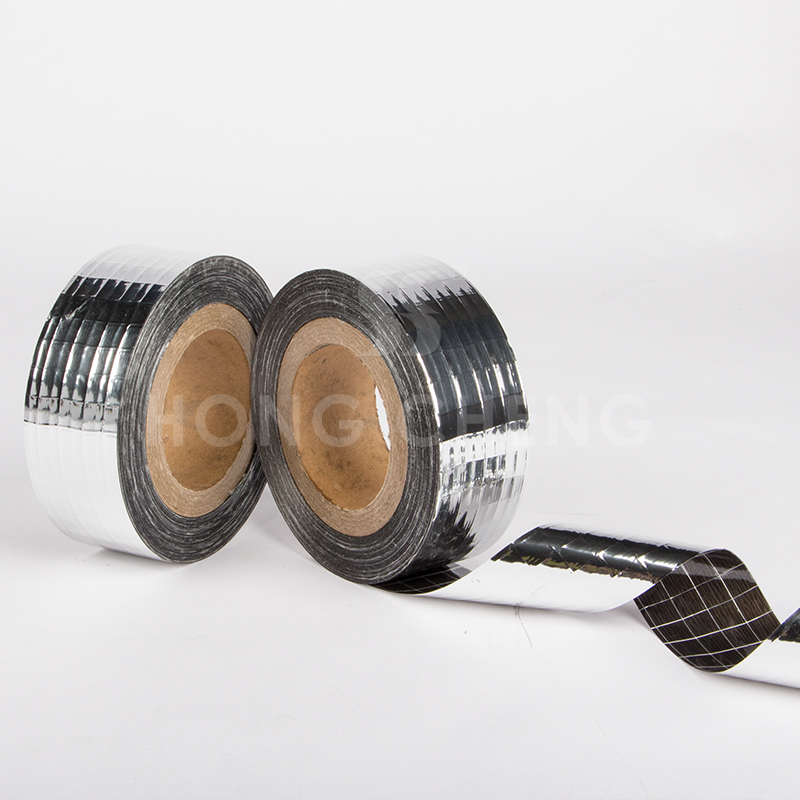
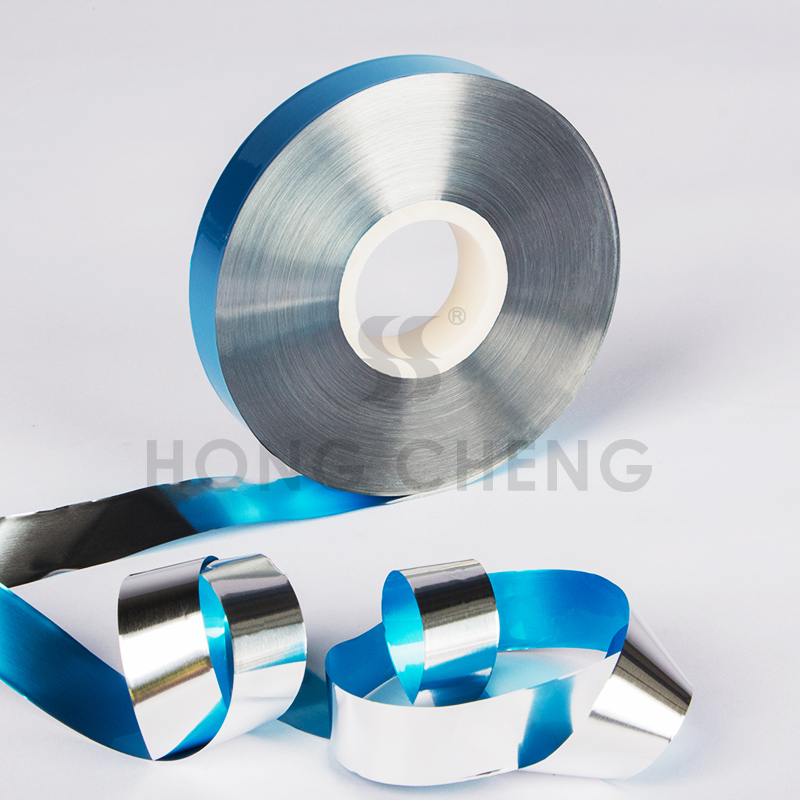
VMPET (metalized polyester film) — A vacuum-deposited aluminum layer (typically 30–60nm) on a PET substrate combines the toughness of polyester with the reflectivity of aluminum. Compared to pure foil laminates, VMPET is lighter, more cost-effective, and features an aluminum layer that bonds firmly to the PET base, eliminating delamination concerns.
PVC jacketing — PVC film provides mechanical protection and weathering resistance but cannot match the reflective insulation performance of foil or metalized film solutions.
Each material serves specific application requirements. For flexible duct products where cost-efficiency and lightweight construction are priorities, VMPET has gained significant market acceptance.
Core Advantages of VMPET in Flexible Duct Applications
High reflectivity and thermal insulation. The metalized surface of VMPET achieves reflectivity above 90%, effectively reducing radiant heat transfer through the duct wall. For conditioned air delivery, higher reflectivity translates directly to lower thermal losses and improved system energy efficiency.
Lightweight construction. The vacuum-deposited aluminum layer in VMPET is measured in nanometers, making the overall areal weight significantly lower than equivalent foil laminates. This weight advantage is particularly valuable in long-span duct installations, reducing suspension load and simplifying installation.
Excellent processing adaptability. VMPET can be laminated with PE, woven fabric, and other substrates to create multi-layer structures tailored to specific duct manufacturing requirements. Common configurations include VMPET/PE (heat-sealable), VMPET/woven scrim/PE (high-strength), and other custom composites.
Flex fatigue resistance and durability. The PET substrate provides inherent mechanical strength and flex endurance, while the metalized layer serves as a barrier against moisture and oxygen penetration. This combination ensures that VMPET laminates maintain stable performance through repeated bending and long-term service without aluminum layer delamination or substrate cracking.
Key Procurement Parameters
Duct manufacturers sourcing VMPET facing materials should focus on the following specifications:
Metalized layer surface resistivity — Expressed in Ω/□ (ohms per square), lower resistivity indicates a thicker aluminum deposit and better barrier performance. Flexible duct applications typically require ≤2.0 Ω/□, with premium products specifying ≤1.5 Ω/□.
PET substrate thickness — Standard options include 12μm, 15μm, and 23μm. Thicker substrates provide greater mechanical strength but reduce flexibility. Selection should balance structural requirements with installation demands.
Laminate structure — Single-layer VMPET suits basic duct constructions; VMPET/PE laminates accommodate heat-sealed seams; VMPET/woven scrim/PE configurations handle pressurized or high-tensile-strength applications.
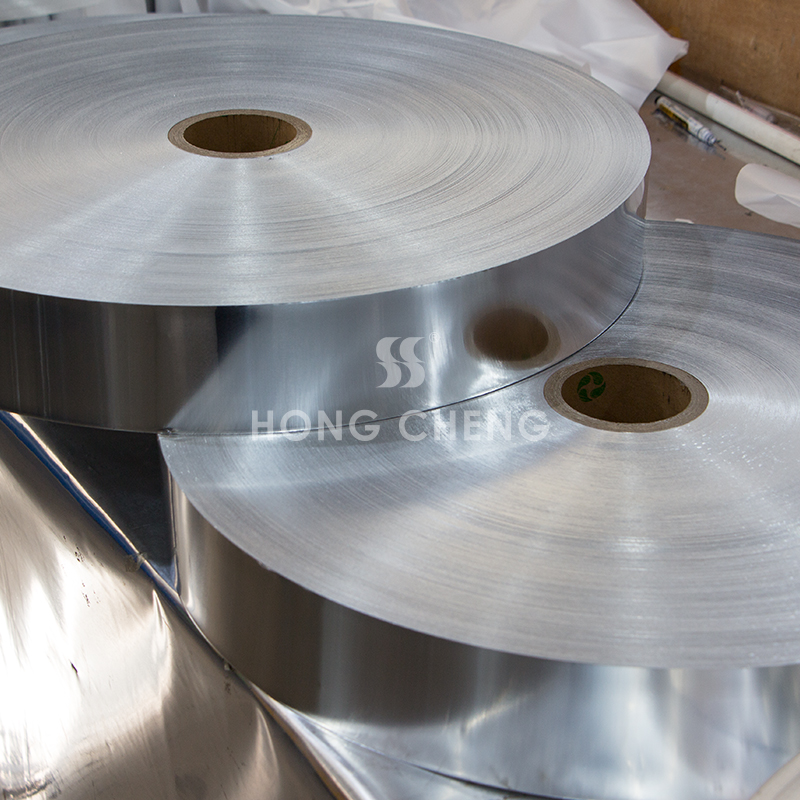
Width and roll length — Standard widths of 1.0m and 1.2m are common, with custom widths available for specific production lines. Roll length affects changeover frequency — larger roll diameters reduce production downtime.
Hangzhou Hongcheng Technology Co., Ltd. specializes in aluminum foil composites and metalized film laminates, offering VMPET products in multiple specifications with customizable substrate thicknesses, surface resistivity levels, and laminate structures to meet the diverse needs of HVAC flexible duct manufacturers.
Market Outlook
As building energy efficiency standards continue to tighten globally, HVAC systems will face increasing demands for higher duct facing reflectivity and barrier performance. VMPET, with its lightweight profile, cost advantages, and laminate versatility, is positioned for sustained market growth in the flexible duct segment. Ongoing advances in high-uniformity metalizing processes and multi-layer lamination technology will further elevate VMPET performance, providing duct manufacturers with increasingly capable and cost-effective material solutions.
Contact Tel/WeChat: +86 13758223270 | Email: wendy@hcdxcl.com.cn Hangzhou Hongcheng Technology Co., Ltd. — Professional Aluminum Foil Composite Material Manufacturer
Metalized Film Shade Net Composites: Technology Evolution Driving Multi-Sector Adoption
Heat Trace Cable Market Expansion Drives Demand for Aluminum Foil Fiberglass Shielding Tapes