Underfloor Heating Reflective Film: 5 Buyer Pitfalls to Avoid
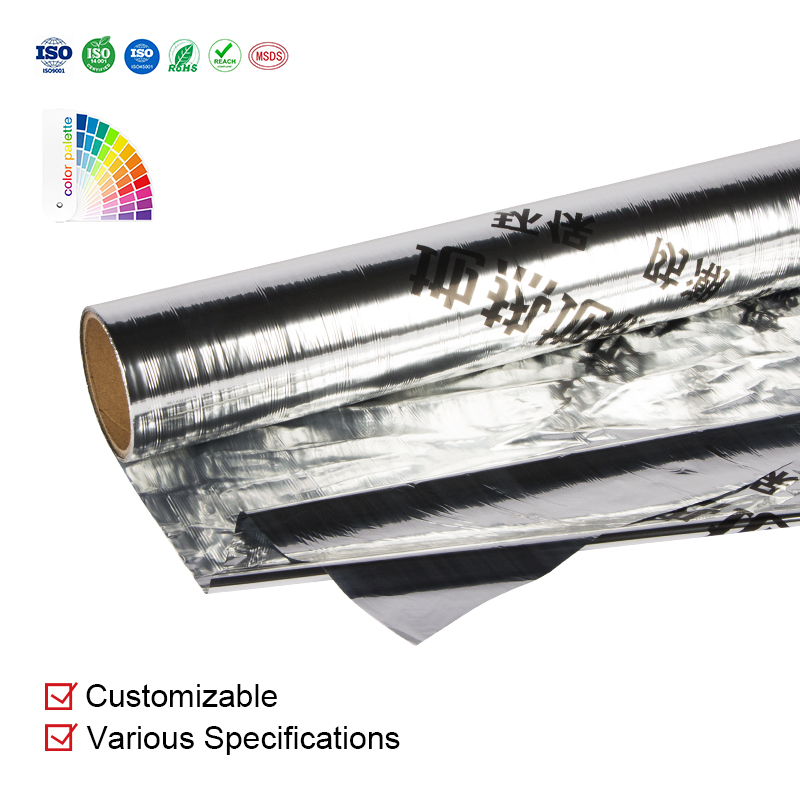
Among radiant floor heating accessories, reflective film looks like the least remarkable item on the quote sheet. Prices range from a few cents to over a dollar per square meter, and one roll looks much like another. But flooring contractors who have been in the trade know the real cost: when the reflective layer oxidizes, blisters, or delaminates from the insulation board, heating efficiency drops and rework costs far exceed the money saved at purchase. Here are five pitfalls for distributors and underfloor heating installers to avoid — each one can be checked against an actual sample roll.
1. Foil or Metallized? Ask Before Comparing Prices
Products sold as "reflective film" fall into two main families. The first is aluminum foil PE laminate, whose reflective layer is rolled foil at a conventional thickness of 6μm-9μm — high reflectivity and good moisture resistance. The second is metallized film (VMPET), where aluminum is vacuum-deposited in a layer measured in angstroms. It is cheaper, but in the alkaline environment of a concrete screed it tends to oxidize faster and lose reflectivity over time. For long-life projects with wet screeds, foil PE laminate is the safer choice; for budget residential projects, at minimum confirm the metallized film's coating adhesion grade and anti-oxidation treatment. Always ask the supplier for the structure specification — "foil" and "metallized" are one word apart, but differ significantly in cost and service life.
2. Grammage Is Not a Quality Score
Many buyers treat grammage as the only hard number. In reality, film weight = foil layer + PE layer + (if present) woven or nonwoven carrier. A heavy film may simply be a thick, soft PE layer with no better reflectivity. The practical test: at equal grammage, compare the share of the aluminum layer — a higher foil share with a balanced PE layer gives better stiffness and reflectivity together. Hold two sample rolls against the light. A uniform layer with no see-through spots is acceptable; visible cloudiness or streaks mean a thin or uneven aluminum layer, and installed reflectivity will suffer.
3. Do the Alkali Resistance Test
The screed poured over underfloor heating is alkaline, and it stays in contact with the film for the life of the floor. Aluminum foil itself has limited alkali resistance, so a well-made reflective film encapsulates the foil within a PE protective layer, keeping cement slurry off the metal. The test is simple: cut a few sample squares and soak them in mixed cement slurry or a 1% sodium hydroxide solution for 24-48 hours at room temperature, then check for blackening, blistering, or foil loss. Batches that fail this test will lose reflectivity within a couple of years — think twice before placing repeat orders with such suppliers.
4. Slitting, Winding, and Printing Determine Installation Speed
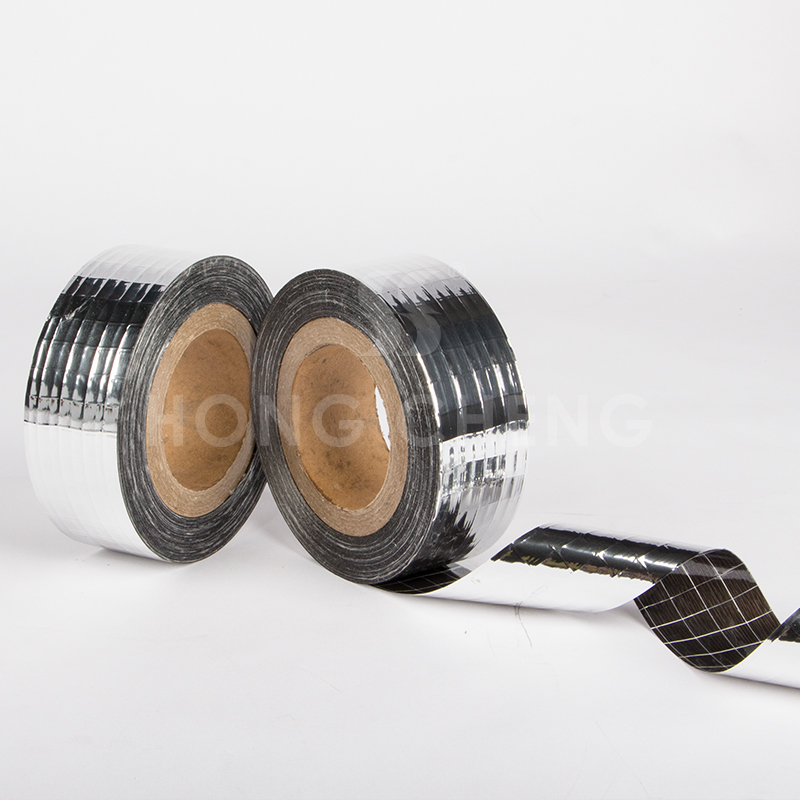
Reflective film is the highest-volume item among heating accessories, so installers care about laying speed: clean slit edges, rolls that wind and unwind without telescoping, and grid lines (where required) printed clearly and evenly spaced all reduce waste and labor time. Ask for a full-size sample roll and lay it on a real floor — far more informative than an A4 cut piece. Also confirm width options (1m and 1.2m are common, custom widths available) and the tolerance on meters per roll; short rolls are the most common hidden loss in accessory purchasing.
5. Supply Stability Beats the Lowest Price
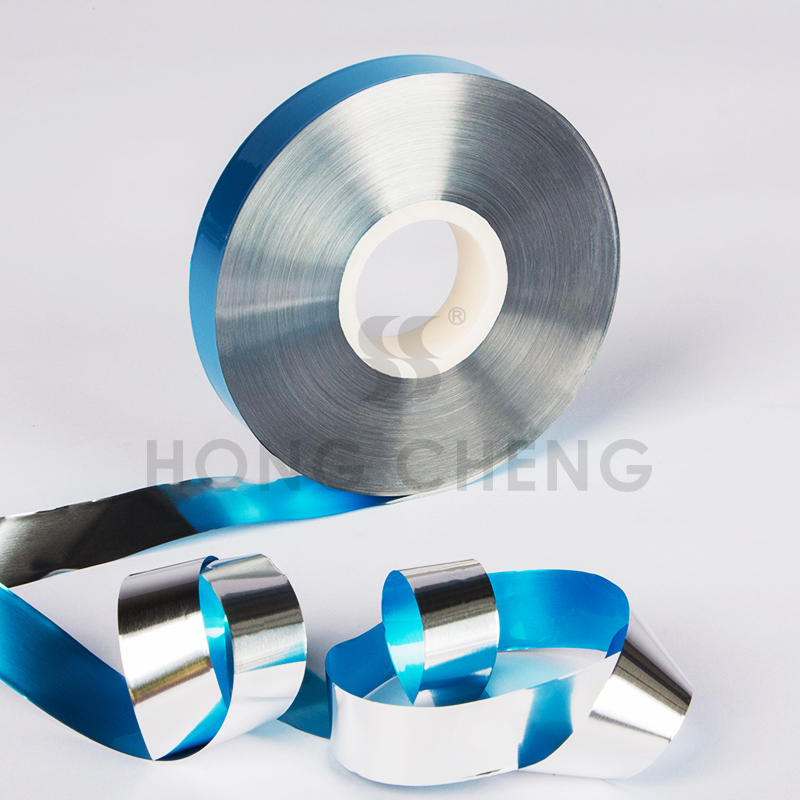
Because the unit price is low and volumes are large, the biggest risk is stockouts in peak project periods and color drift between batches. Before choosing a supplier, confirm three things: whether standard structures are held in stock, whether shipments can be staged to your project schedule, and how consistently aluminum layer tone is controlled across batches. As a source manufacturer of aluminum foil composites, Hongcheng Technology produces foil PE and metallized reflective films with custom widths, grammages, and printing, completing lamination and slitting in-house — batch consistency is guaranteed.
Summary
The purchasing logic for underfloor heating reflective film comes down to five steps: choose the structure (foil first, metallized case by case), inspect the aluminum layer's uniformity, run the alkali soak test, test a full roll on site, and verify supply capability. Work through all five and you will avoid most of the traps in this market.
Hongcheng Technology — Professional Manufacturer of Aluminum Foil Composites / PE Coated Laminates Tel/WhatsApp: +86 13758223270, Email: wendy@hcdxcl.com.cn
Four Look-Alike Substitutes That Catch Duct Jacket Buyers