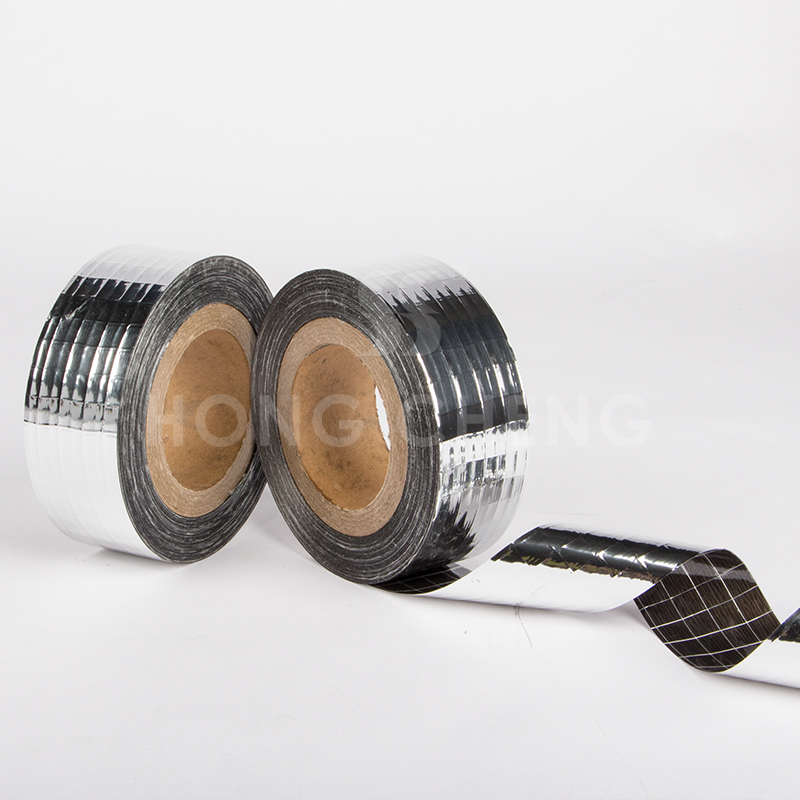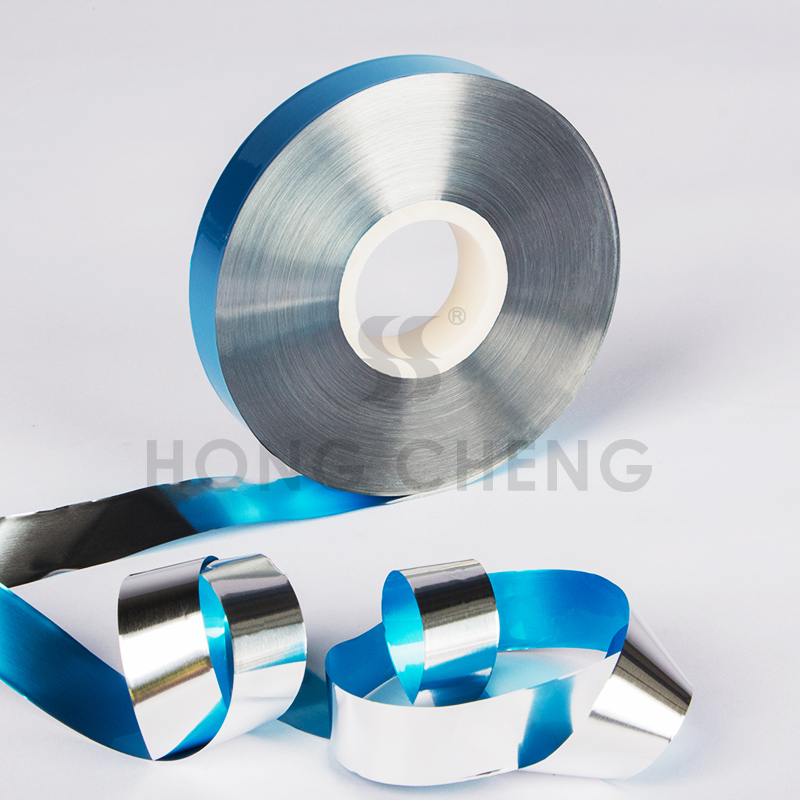
Air Duct Aluminum Foil: The "Energy-Saving Protection Barrier" of Ventilation Systems
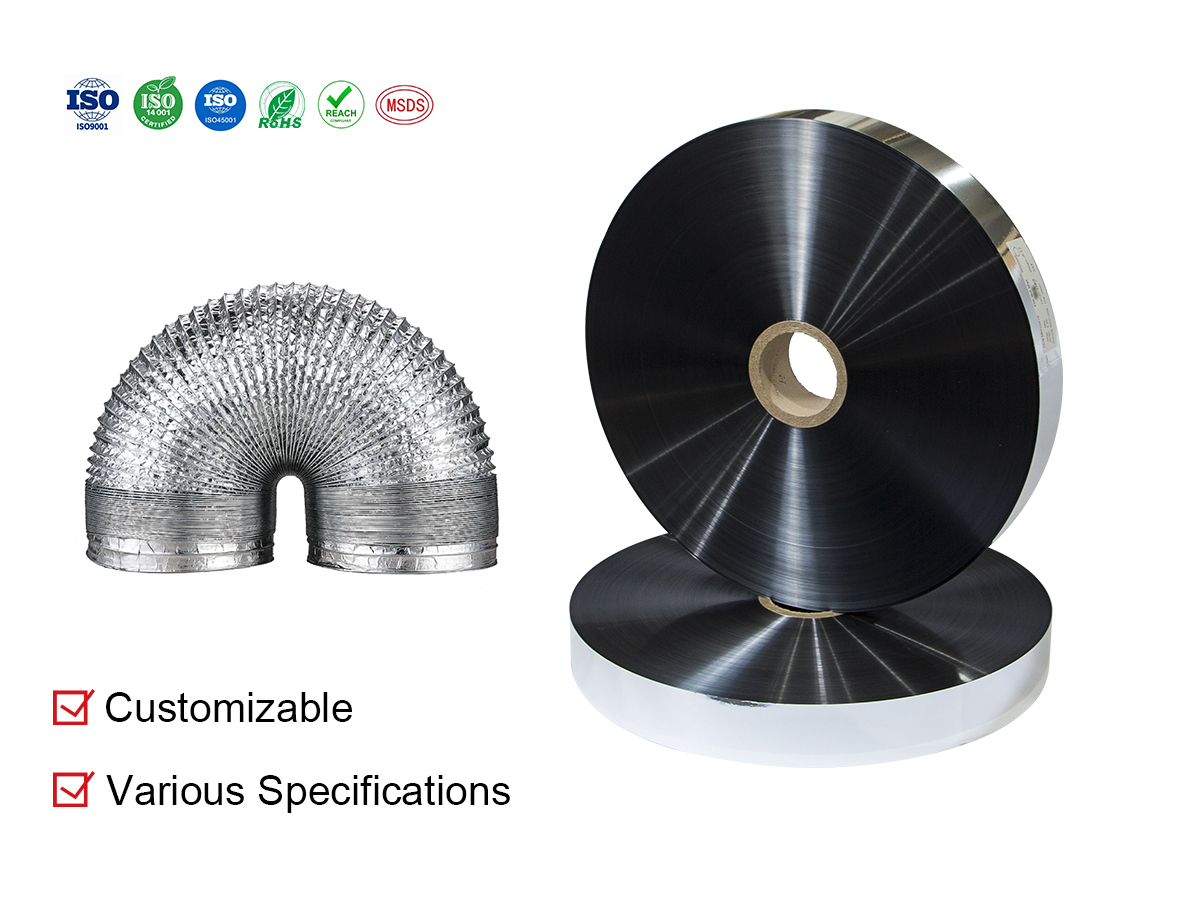
In building ventilation, air conditioning systems and industrial ventilation pipelines, air duct aluminum foil, though used as an auxiliary material, directly determines the energy efficiency, operational stability and service life of the system. It not only undertakes the core responsibilities of thermal insulation and moisture-proof anti-condensation, but also has multiple functions such as protection and sealing, making it an indispensable key component in ventilation systems. Hangzhou Hongcheng Technology has been deeply engaged in the aluminum foil composite material field for many years. With a profound understanding of the technical standards and application scenarios of air duct aluminum foil, it provides products with strong adaptability and excellent performance for various industries. This article will dissect the professional knowledge of air duct aluminum foil to assist in accurate selection and efficient application.
The core value of air duct aluminum foil stems from its composite structure and material properties, mainly reflected in three dimensions. Firstly, thermal insulation performance is the core advantage. Aluminum foil has extremely high thermal reflectivity, which can efficiently reflect the radiant heat of hot and cold air in the air duct. Combined with the intermediate composite core materials such as glass fiber and pearl cotton, it can block heat conduction and reduce energy loss. According to industry data, high-quality air duct aluminum foil can reduce the energy consumption of air conditioning systems by 15%-20%, especially suitable for the ventilation needs of large commercial buildings and industrial plants. Secondly, moisture-proof and anti-condensation capabilities are indispensable. The seamless closed structure of aluminum foil can effectively block the invasion of external water vapor, avoiding the moisture and corrosion of the insulation layer caused by condensation on the inner wall of the air duct, and extending the service life of the air duct. Thirdly, protection and sealing functions are added. Composite aluminum foil has certain tear resistance and puncture resistance, which can protect the air duct insulation layer from physical damage. At the same time, the supporting aluminum foil tape can strengthen the sealing at the air duct joints to ensure the air tightness of the system.
Industry standards have clear definitions for the performance parameters of air duct aluminum foil, which are the core basis for selection. According to the "Technical Specification for Ventilation Ducts" JGJ/T141-2017, the thickness of aluminum foil on the air duct surface shall not be less than 0.06mm, and the thickness of aluminum foil after composite reinforcement material shall not be less than 0.012mm. The width of aluminum foil tape for sealing shall not be less than 50mm, the thickness of aluminum foil shall not be less than 0.045mm, the peel strength of pressure-sensitive tape shall not be less than 0.52N/mm, and heat-sensitive tape shall have a temperature-sensitive color change function at 150℃. The air duct aluminum foil products of Hangzhou Hongcheng Technology strictly comply with the above standards. By accurately controlling the aluminum foil purity (≥99.5%) and composite process, the reflectivity is ensured to be more than 95%, and it is compatible with the conventional working condition of -30℃ to 130℃. The high-temperature enhanced product can withstand a maximum temperature of 250℃, meeting the needs of diverse scenarios.
The application scenarios of air duct aluminum foil cover multiple fields such as construction, industry and people's livelihood, adapting to different working conditions. In the construction field, it is widely used for the outer coating of air conditioning fresh air ducts and floor heating system air ducts, which can not only reduce cold and heat loss, but also prevent condensation and mildew, adapting to various buildings such as residences, commercial complexes and passive houses. In industrial scenarios, acid and alkali resistant, anti-static air duct aluminum foil can be used for ventilation ducts in chemical parks and electronic factories, effectively blocking corrosive gases and dust and avoiding potential safety hazards. In clean scenarios such as food processing and pharmaceutical production, antibacterial aluminum foil meeting GMP standards can inhibit the growth of microorganisms and ensure the hygiene level of the ventilation system. In addition, in mobile scenarios such as ships and railways, lightweight composite aluminum foil can also adapt to vibration environments, taking into account both protection and energy saving.
Details of selection and installation directly affect the use effect of air duct aluminum foil. When selecting, parameters should be matched according to working conditions: standard aluminum foil with thickness of 0.06mm can be used for conventional building ventilation; high-temperature and high-humidity environments need to upgrade composite enhanced products, with flame-retardant B1 grade tape and adhesive; when transporting corrosive gases or dust, special aluminum foil with anti-corrosion coating should be selected. During installation, it should be noted that the aluminum foil tape should be pasted flat and tightly, with a single-side pasting width of not less than 20mm. Direct bending at the air duct corners should be avoided to prevent damage to the aluminum foil layer. At the same time, regularly check the integrity of the aluminum foil surface, and repair damage and aging in a timely manner to extend the service life of the system.
With the popularization of green building and energy-saving industrial concepts, the performance requirements of air duct aluminum foil are constantly improving, developing in the direction of being lighter, more efficient and environmentally friendly. Hangzhou Hongcheng Technology continues to optimize the thermal insulation, weather resistance and adaptability of air duct aluminum foil with advanced film coating composite technology and strict quality control, providing stable and reliable material solutions for ventilation systems in various industries. Mastering the professional knowledge of air duct aluminum foil, selecting accurately and installing standardizedly can give full play to its energy-saving and protective value and escort the efficient operation of ventilation systems.
Aluminum-Plated Film Woven Fabric: The "All-Round Protection Barrier" for Large Equipment Packaging
Aluminum Foil Insulation Bag: All-Scenario Temperature Guardian, a Practical Tool Connecting Industry and Livelihood