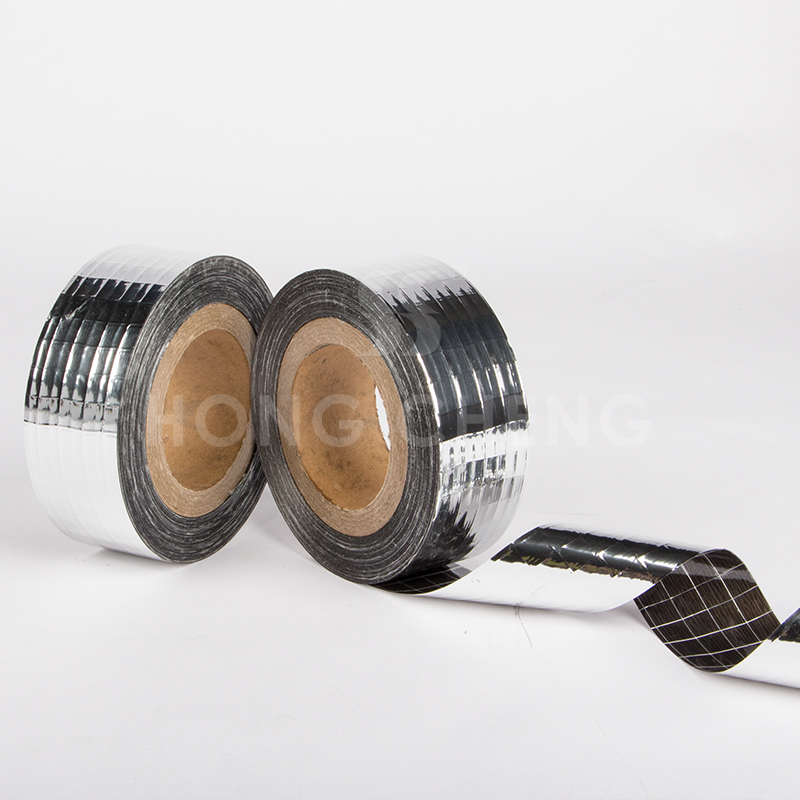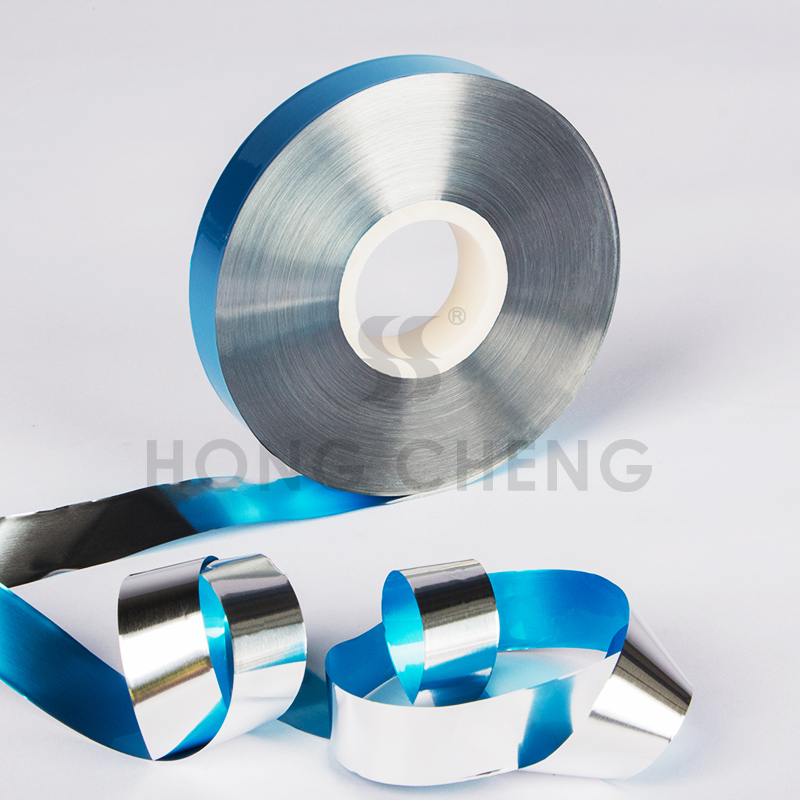
How to Select AL/PE Waterproof Foil Laminate by Roof Type and Climate?
Many buyers feel uncertain when specifying AL/PE waterproof foil laminate because they are not sure how total thickness, aluminum foil thickness, PE layer thickness, and width should match the project. If the material is too thick, costs rise and installation becomes awkward; if it is too thin, the waterproof layer may fail prematurely under hot sun or freeze-thaw cycles. Today, we will walk through the selection logic from two dimensions: roof type and climate condition.
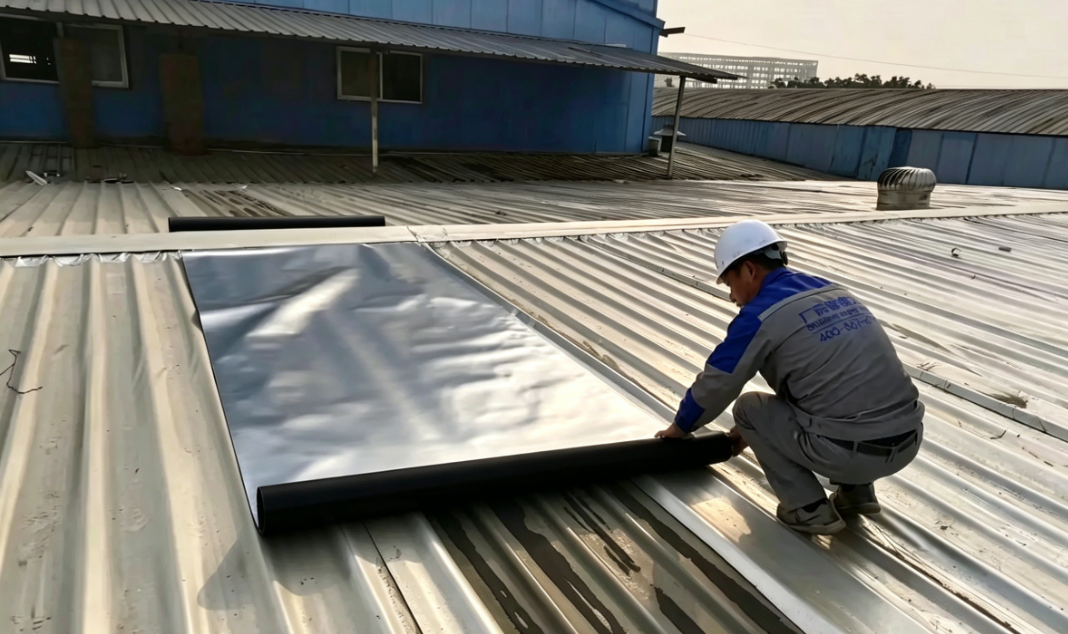
1. Light Roofs / Metal Roof Refurbishment: 0.2–0.3 mm Total Thickness
Light roofs, such as color steel or corrugated metal sheets, have limited load-bearing capacity and relatively smooth substrates. For these applications, we recommend an AL/PE waterproof foil laminate with a total thickness of 0.2–0.3 mm. The aluminum foil layer should be 7–9 μm, the PE layer 0.15–0.25 mm, and the roll width 1.0 m or 1.2 m. This combination weighs roughly 200–300 g/m², so it adds minimal load to the roof. The aluminum foil face also reflects solar radiation, helping to lower the roof surface temperature. Key performance targets: tensile strength ≥ 8 MPa, elongation at break ≥ 200%, and zero water penetration under 0.3 MPa for 30 minutes. If the roof is exposed to long summer sunshine, prioritize a 9 μm aluminum foil with a 0.2 mm PE layer for better heat resistance.
2. Concrete Roofs / Underground Works: 0.5–1.0 mm for Safety Margin
Concrete roofs suffer from substrate shrinkage, settlement, and crack propagation, so the waterproof membrane needs higher elongation and puncture resistance. We suggest a total thickness of 0.5–1.0 mm, with aluminum foil at 12–18 μm and the PE layer at 0.3–0.8 mm. An aluminum foil thickness of 12 μm or more significantly improves puncture resistance, while a PE layer above 0.5 mm provides better cushioning and self-healing space. For basement slabs or planted roofs, the total thickness should not be less than 0.8 mm, with the aluminum foil facing the water side and the PE layer against the substrate. Although root-puncture tests are not required for every project, an 18 μm aluminum foil layer offers good mechanical blocking against common plant roots.
3. Detail Reinforcement / Pipe Penetrations: Local Thickening + Sealing Tape
Roof details such as parapet walls, gutters, vent pipes, and wall penetrations are the most common leak points. Even if the main membrane is 1.0 mm thick, these areas need local reinforcement. Apply an additional layer of AL/PE waterproof foil laminate 0.3–0.5 mm thick, with aluminum foil at 9–12 μm, and seal the edges with dedicated aluminum foil butyl tape. The overlap width should be 80–100 mm, and terminations should be mechanically fixed with metal strips before being fully sealed with aluminum foil tape. Many buyers focus only on the main material and neglect these details, which is why rework rates stay high.
4. Cold / Hot Regions: Focus on Low-Temperature Flexibility and Temperature Range
Climate often matters more than thickness alone. In northern regions where winter temperatures drop below -25 °C, choose a product that passes low-temperature bending at -40 °C without cracking. The PE layer should use metallocene polyethylene modified resin, with elongation at break ≥ 300 %. In southern regions with hot, humid summers, where roof temperatures can exceed 70 °C, the aluminum foil should be at least 9 μm thick and the PE layer at least 0.2 mm thick, with a service temperature range of -40 °C to 80 °C. For coastal projects, consider adding an anti-oxidation coating to the aluminum surface or switching to a more corrosion-resistant metalized film composite.
Key Reminders: Three Common Mistakes
Mistake 1: Thicker is always better. Waterproof performance depends not only on thickness but also on the bonding strength between aluminum foil and PE, and on the quality of seams and seals. Blindly increasing thickness raises cost without solving leakage at overlaps.
Mistake 2: The aluminum foil layer can replace the main waterproof barrier. The aluminum foil mainly provides reflection, barrier, and reinforcement. The PE layer is the core flexible waterproofing element. Both layers must be considered together, not just the foil thickness.
Mistake 3: One specification fits every project. Different roofs, climates, and installation methods require different material performance. We recommend selecting the main membrane and detail reinforcement separately, and customizing roll width to reduce the number of seams and improve overall reliability.
Selecting the right AL/PE waterproof foil laminate is essentially about matching material parameters to the project scenario. Hangzhou Hongcheng Technology specializes in the research and production of aluminum foil composite materials and PE laminated composites. We can provide customized solutions ranging from 7 μm to 18 μm aluminum foil thickness and from 0.2 mm to 1.0 mm total thickness, according to your roof type, climate conditions, and installation method. If you have any questions about selecting AL/PE waterproof foil laminate, please feel free to contact us for one-to-one customization support.
+86 13758223270 Email: wendy@hcdxcl.com.cn
Green Upgrades and Export Trends in Tea Packaging Foil Laminates
Single-Sided or Double-Sided? How to Choose Aluminum Foil Facing for HVAC Ducts