Innovative Applications and Development Prospects of AL+PET Composite Aluminum Foil in the Cable Industry
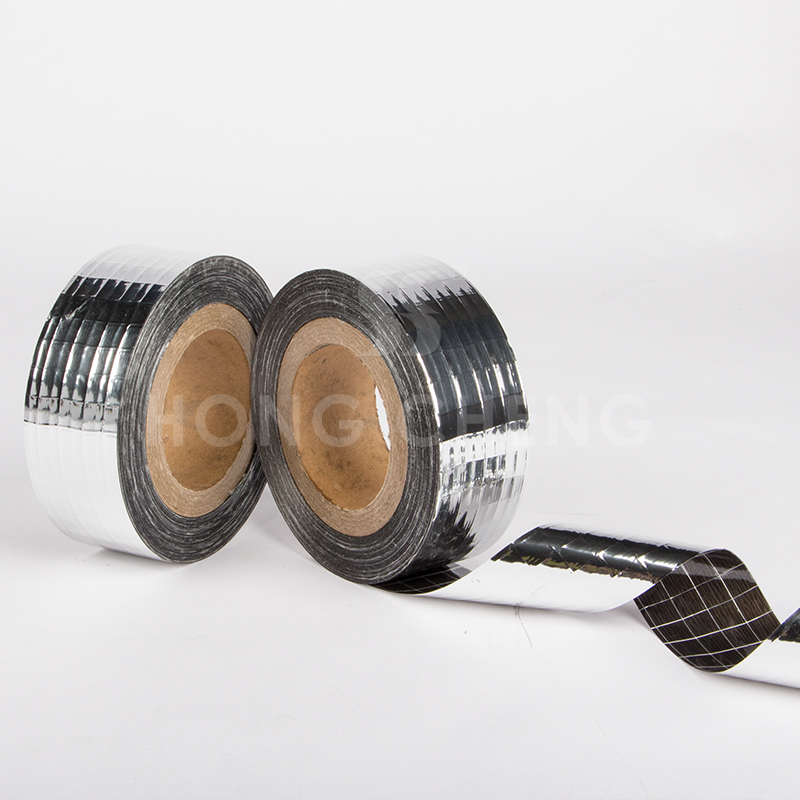
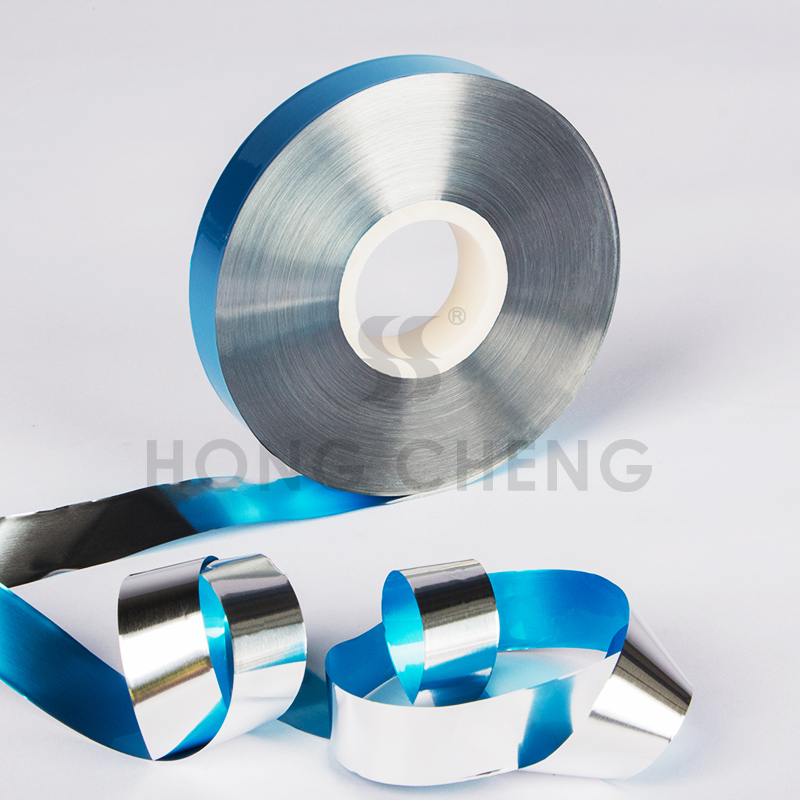
In the field of modern power transmission and signal conduction, the performance of cables directly affects the stability and safety of the system. With the development of technology, the requirements for cable materials are becoming increasingly stringent. AL+PET composite aluminum foil, with its unique performance advantages, has gradually become a key material in the cable manufacturing field, bringing new development opportunities to the industry.
The application of AL+PET composite aluminum foil in cables is mainly reflected in the shielding layer and moisture-proof layer. Its aluminum foil layer has excellent electromagnetic shielding performance, which can effectively block external electromagnetic interference and ensure the accuracy and stability of cable signal transmission. In communication cables, AL+PET composite aluminum foil can increase the electromagnetic shielding effectiveness to more than 65dB, greatly reducing signal attenuation and distortion, and ensuring the smooth transmission of high-speed data such as 5G and optical fiber communication. For instance, in a 5G base station cluster in a busy urban area, after adopting communication cables with AL+PET composite aluminum foil shielding layers, the signal error rate dropped from 0.5% to less than 0.01%, and the data transmission speed increased by 15% on average. At the same time, the addition of PET film enhances the flexibility and mechanical strength of the material, making the composite aluminum foil less likely to be damaged during the bending and stretching of the cable, thus extending the service life of the cable. Tests show that cables using this composite aluminum foil can withstand more than 10,000 bending cycles without damage, while traditional shielding materials often fail after 3,000-5,000 cycles.
In terms of moisture-proof performance, the water vapor transmission rate of AL+PET composite aluminum foil can be as low as 0.3g/(m²·24h), which can effectively isolate external moisture and prevent the internal insulation materials of the cable from being affected by moisture and aging. Especially in the application of underground cables and submarine cables in humid environments, this material provides reliable protection for cables and reduces potential safety hazards such as short circuits and electric leakage caused by moisture. A submarine cable project connecting two coastal cities found that after using AL+PET composite aluminum foil as the moisture-proof layer, the cable's maintenance cycle was extended from 3 years to 8 years, and the number of water-induced faults decreased by 90%. In addition, AL+PET composite aluminum foil also has good corrosion resistance and can resist the erosion of acids, alkalis, and other chemical substances, adapting to complex underground and marine environments. In a chemical industrial park where the soil contains a certain amount of corrosive substances, the underground cables with AL+PET composite aluminum foil protection showed no signs of corrosion after 6 years of use, while the traditional cables in the same area needed to be replaced after 2-3 years.
Another significant advantage of AL+PET composite aluminum foil in cables is its heat resistance. It can maintain stable performance in a wide temperature range, from -40℃ to 120℃. This makes it suitable for cables used in high-temperature environments such as industrial furnaces, power plants, and engine compartments of new energy vehicles. In a thermal power plant, the cables wrapped with AL+PET composite aluminum foil can operate normally at a surrounding temperature of 100℃, while the cables using ordinary shielding materials often experience performance degradation after a few months of use. Moreover, the heat resistance of this material also helps to improve the current-carrying capacity of the cable. Tests show that under the same conditions, the current-carrying capacity of cables using AL+PET composite aluminum foil is 10-15% higher than that of cables using traditional materials.
AL+PET composite aluminum foil also contributes to the miniaturization and lightweight of cables. Due to its thin thickness and high performance, it allows the overall diameter of the cable to be reduced by 15-20% compared to using traditional shielding and moisture-proof materials. This is particularly important in applications where space is limited, such as in aircraft, high-speed trains, and small electronic devices. In the wiring system of a new generation of high-speed trains, the use of cables with AL+PET composite aluminum foil reduced the total weight of the cables by 25%, which not only saved space but also reduced the energy consumption of the train.
From the perspective of cost-effectiveness, AL+PET composite aluminum foil also has obvious advantages. Although its initial purchase cost is slightly higher than that of some traditional materials, its long service life, low maintenance cost, and excellent performance make the total cost lower in the long run. A comprehensive cost analysis of a large-scale power transmission project shows that using AL+PET composite aluminum foil can reduce the total cost of the cable system by about 20% over a 10-year period compared to using traditional materials.
From the perspective of market development, with the acceleration of the global digital and intelligent processes, the demand for high-quality cables continues to rise. It is expected that in the next five years, the market size of AL+PET composite aluminum foil for cables will grow at an average annual rate of 12%. At the same time, the industry is developing towards thinner, lighter, and higher-performance directions. By optimizing material formulations and composite processes, the comprehensive performance of AL+PET composite aluminum foil will be further improved to meet the needs of emerging fields such as ultra-high voltage cables and new energy vehicle cables. For example, researchers are working on developing AL+PET composite aluminum foil with a thickness of less than 10μm while maintaining or even improving its performance, which will further promote the miniaturization of cables. In addition, the combination of AL+PET composite aluminum foil with other functional materials, such as flame-retardant materials and anti-aging agents, is also a research hotspot, aiming to develop cables with more comprehensive performance to adapt to more complex and harsh application environments.
Innovative Applications and Advantage Analysis of AL+PET Composite Aluminum Foil in the Ventilation Ducts Field
Diverse Application Scenarios and Market Potential Release of Aluminum - Plastic Composite Films