Thin-Profile AL/PET Shielding Film: The Critical Material Behind HDMI 2.1, USB4 and DisplayPort 2.0 Cables
High-Speed Interconnects Demand a New Generation of Shielding Materials
The rapid adoption of HDMI 2.1, USB4 Gen 3x2 (80 Gbps), and DisplayPort 2.0 (UHBR20) has fundamentally changed what cable manufacturers need from their shielding materials. Transmitting signals at speeds of 40–80 Gbps places extraordinary demands on every component of the cable structure — including the foil shielding wrapped around each differential pair.
At these frequencies, conventional aluminum-polyester laminates can no longer be selected by rule of thumb. Engineers must evaluate shielding continuity, surface resistance, mechanical flexibility, and thermal stability simultaneously. Thin-profile AL/PET composite shielding film has emerged as the solution of choice, balancing electromagnetic performance with the dimensional constraints of modern high-speed cables.
Understanding Thin-Profile AL/PET Composite Shielding Film
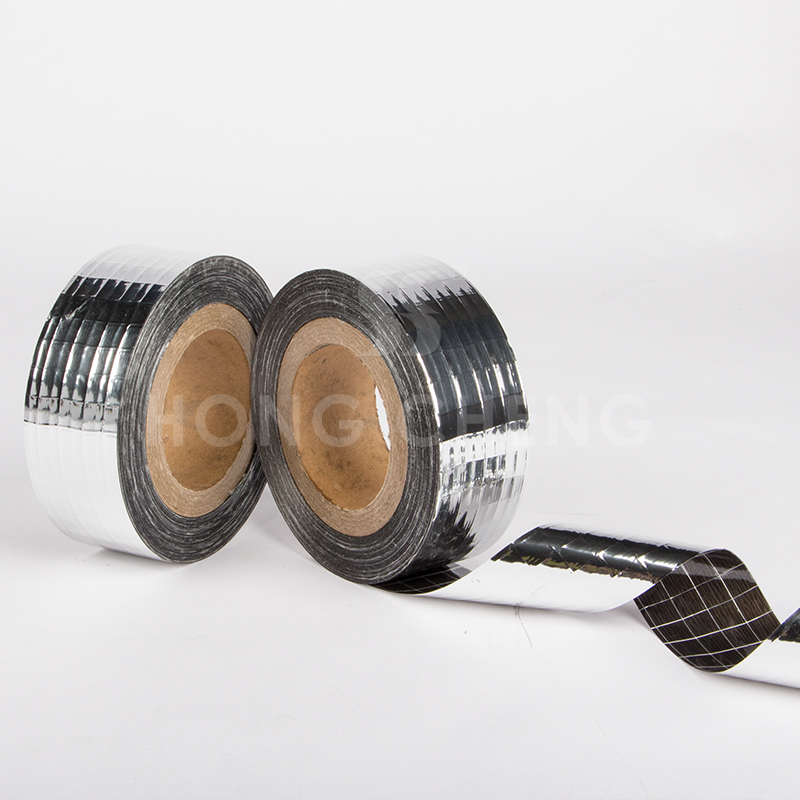
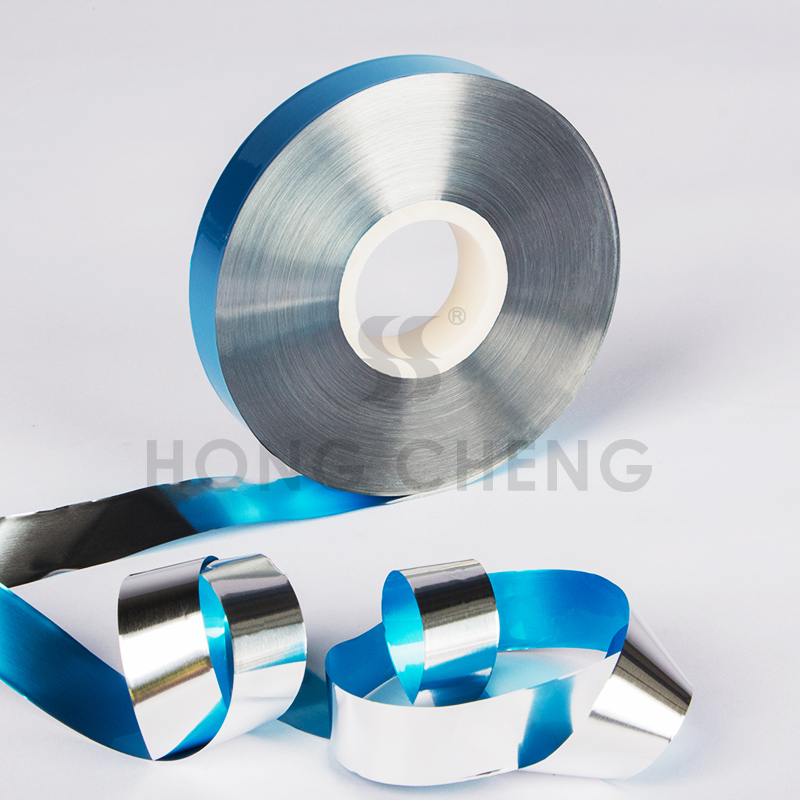
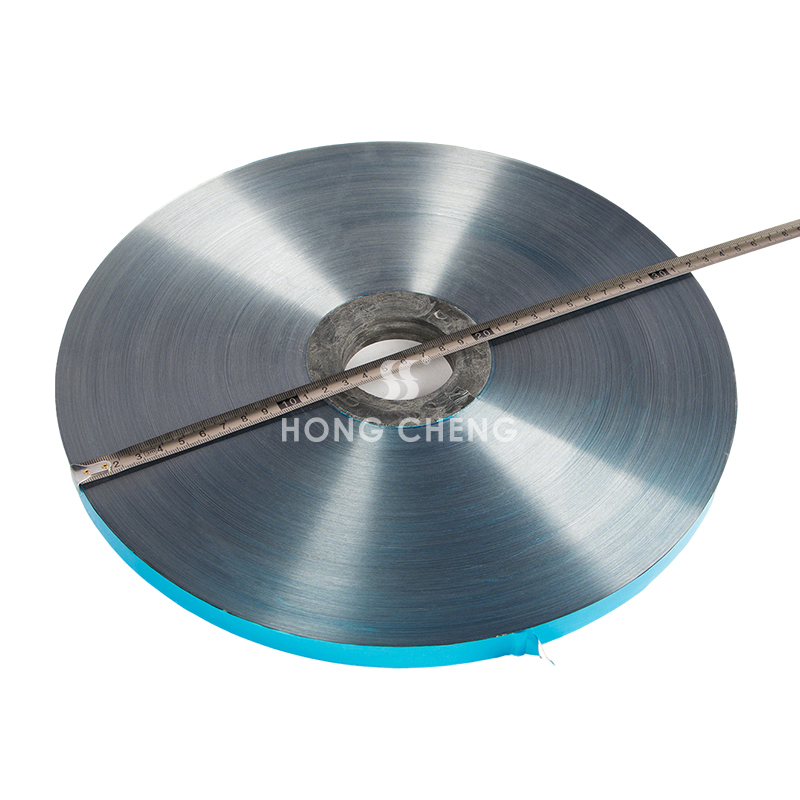
AL/PET shielding film is a functional laminate produced by bonding an aluminum layer to a biaxially oriented polyester (BOPET) substrate. Two main construction types are used in high-speed data cable applications:
Vacuum Metalized PET (MPET): The aluminum coating is deposited by physical vapor deposition to a thickness of 30–50 nm. Total film thickness can be as low as 9–12 μm, making MPET the lightest and most flexible option. It is preferred for fine-gauge cables requiring aggressive bend radii.
Foil-Laminated AL/PET: An electrolytic aluminum foil of 6–9 μm is adhesively or thermally bonded to the PET base film. The result is a denser, more uniform aluminum layer with a surface resistance typically below 3 mΩ/sq — significantly lower than MPET. Industrial-grade and high-reliability applications favor this construction.
Selecting between the two requires a careful trade-off analysis across frequency range, minimum bend radius, grounding scheme, and the specific certification standard (UL, IEC, or automotive-grade) that applies to the finished cable.
Four Critical Performance Parameters for High-Speed Cable Shielding
1. Aluminum Coverage and Pinhole Density
At GHz frequencies, the skin effect confines current flow to a very shallow surface layer. Any gap or pinhole in the aluminum layer acts as an antenna aperture, degrading radiated emissions (RE) performance. Premium AL/PET shielding film for high-speed cables should achieve ≥99.5% aluminum coverage with a pinhole density below 5 pinholes/m² (for pinholes larger than 0.5 mm).
2. Surface Resistance
Surface resistance (Ω/sq) is the single most important electrical specification for a shielding foil. HDMI 2.1 cable designs typically call for aluminum-face surface resistance below 0.05 Ω/sq. For USB4 Gen 3 designs, some specifications push this requirement to 0.03 Ω/sq or lower. Foil-laminated AL/PET consistently outperforms metalized PET on this metric.
3. Low-Profile Design and Flexibility
Finished outer diameters of HDMI 2.1 and USB4 cables are typically constrained to 4–7 mm, leaving very little room for each material layer. Reducing shielding film thickness by even 1 μm can free up space for a larger conductor cross-section or an additional twisted pair. At the same time, consumer cables must survive bend cycling tests (typically ±90°, 5,000+ cycles) without foil cracking or delamination.
4. Thermal Stability During Extrusion
The jacket extrusion step exposes all internal cable components to temperatures of 160–220°C (for PVC or LSOH compounds). The shielding film must maintain adhesive bond integrity and dimensional stability throughout this process. A film that shrinks or delaminates during extrusion will create shielding voids and compromise the cable's long-term reliability.
Application Breakdown by Cable Type
HDMI 2.1 (48 Gbps / 8K@60Hz): Each differential pair group is individually wrapped with an AL/PET foil shield, typically a 6 μm foil + 12 μm PET laminate with the aluminum face outward. A second overall AL/PET or mylar tape layer provides additional composite shielding.
USB4 Gen 3 (80 Gbps): The extremely high frequency makes surface smoothness and layer uniformity paramount. Metalized MPET with high optical density is often preferred. Overlap width during spiraling is specified at ≥10 mm to ensure electrical continuity at the seam.
DisplayPort 2.0 UHBR20 (20 Gbps/lane): Complex shielding topologies — with separate shields for main link pairs and sideband pairs — require shielding film with tight dimensional tolerances and consistent slit width accuracy.
Hongcheng Technology's Product Offering
Hangzhou Hongcheng Technology Co., Ltd. manufactures a range of thin-profile AL/PET composite shielding films tailored to high-speed data cable production:
- Foil-Laminated Grade: 6 μm or 9 μm aluminum foil bonded to 12 μm PET; total thickness 18–21 μm; surface resistance ≤0.05 Ω/sq
- Metalized Grade: Double-side metalized PET; total thickness 9–15 μm; optimized for fine-gauge, high-flex cable constructions
- Custom Slitting: Roll widths and narrow slit stock with cutting precision ±0.1 mm
- Surface Protection: Optional anti-oxidation coating on the aluminum face to extend shelf life in humid storage environments
Every production batch is accompanied by a test data package covering aluminum coverage rate, surface resistance, and peel strength — enabling cable manufacturers to complete their incoming inspection quickly and efficiently.
Market Outlook: Demand Expanding Beyond Consumer Electronics
The demand for thin-profile AL/PET shielding film is no longer driven solely by consumer cable markets. High-speed copper direct-attach cables (DAC) for AI data center servers, automotive Ethernet (1000BASE-T1 and 10GBASE-T1), and industrial robot internal wiring harnesses all require shielding film with similar performance characteristics.
As 800G and 1.6T co-packaged optics architectures push copper-based interconnects to shorter and shorter reach applications at ever-higher data rates, demand for precision shielding laminates is forecast to grow steadily through 2026–2028.
Hongcheng Technology is committed to staying ahead of these specifications, delivering consistent quality and flexible production runs to cable manufacturers worldwide.
For samples or technical data sheets, please contact our sales team at www.techfoil.com.
FSK Facing Material: What Makes the 3-Layer Foil-Scrim-Kraft Structure Work
Woven Aluminum Foil Vacuum Packaging Laminate: The Core Material for Heavy-Duty Industrial Vacuum Bags