Aluminium Foil Composites Lead the New Era of Building Insulation: A Material Revolution Driven by Energy Efficiency
Introduction
Against the backdrop of global carbon neutrality commitments and increasingly stringent green building standards, thermal insulation in buildings has become a cornerstone of the construction industry's transition toward sustainability. Buildings account for nearly 40% of global energy consumption, with heating and cooling representing the largest share. Reducing heat loss and heat gain through building envelopes is therefore critical to improving energy efficiency. Aluminium foil composite materials, which combine thermal reflectance, moisture resistance, and lightweight characteristics, are rapidly gaining traction as a premium insulation solution in construction markets around the world.
1. How Aluminium Foil Composites Work
The insulating performance of aluminium foil composites is rooted in the physics of radiant heat transfer. While conventional insulation materials such as mineral wool and foam boards primarily reduce heat conduction, aluminium foil—with an infrared reflectivity exceeding 95%—blocks radiant heat transmission, fundamentally limiting heat exchange across building envelopes.
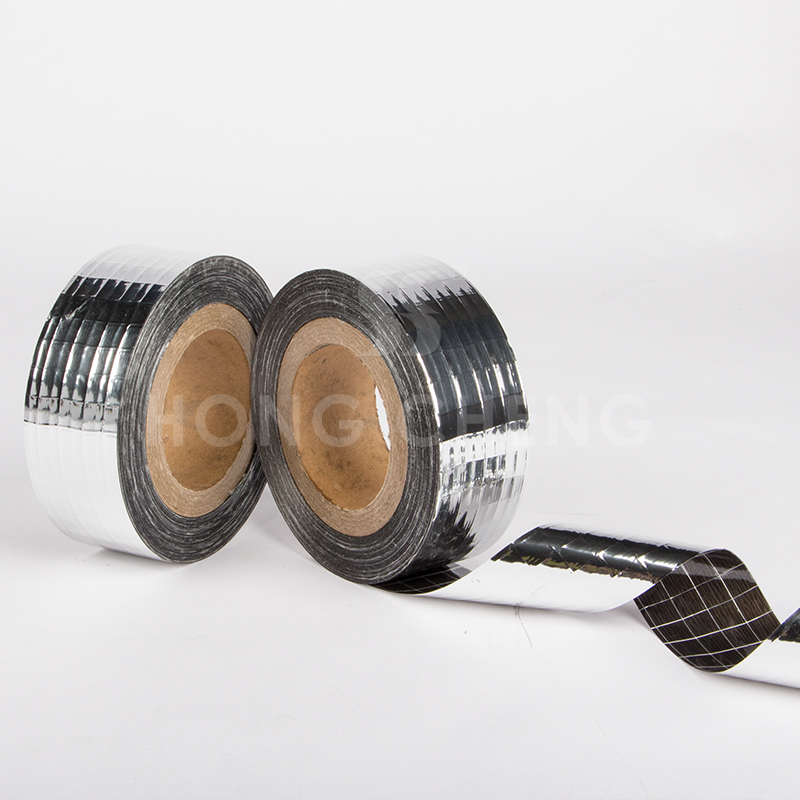
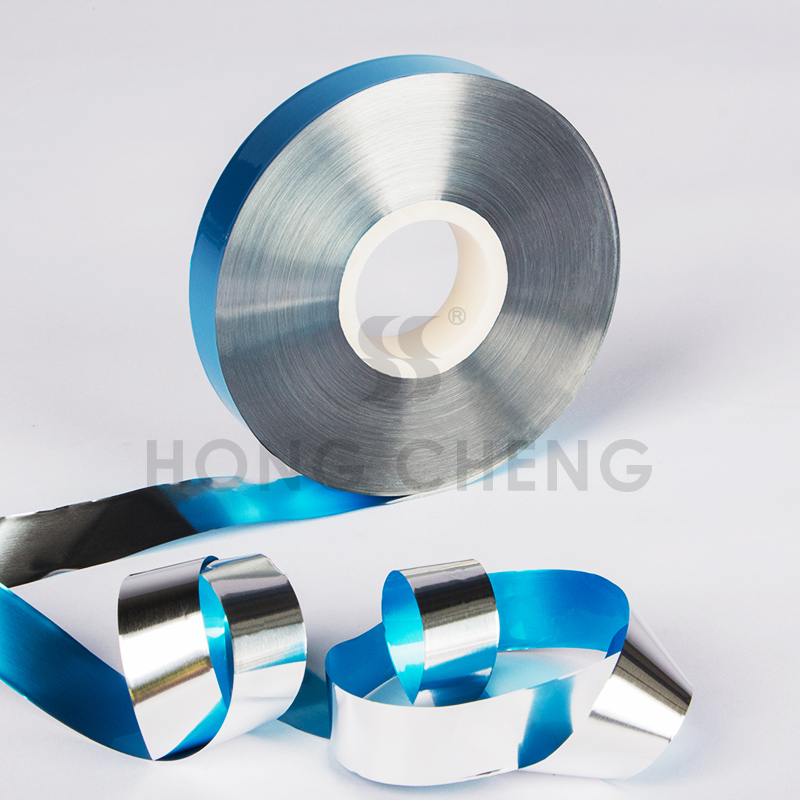
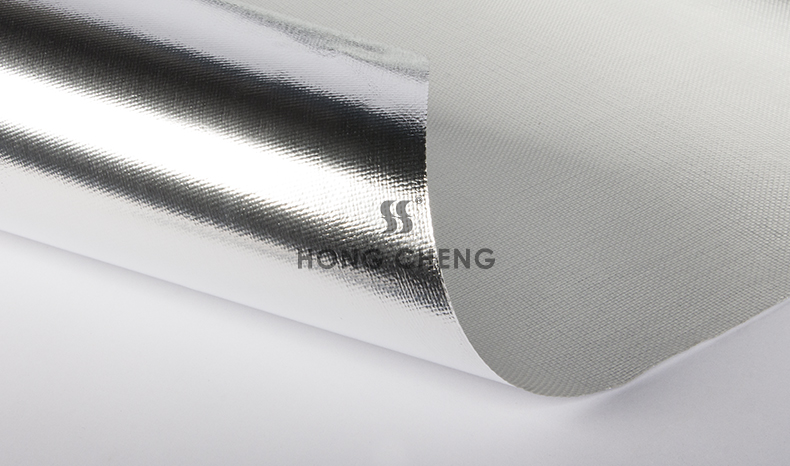
In a typical composite structure, aluminium foil is laminated to substrates such as non-woven fabric, fibreglass cloth, PE film, or kraft paper using heat-bonding or adhesive processes. The resulting multi-layer structure combines a reflective layer, a moisture barrier, and a reinforcement layer, delivering not only superior thermal performance but also waterproofing, corrosion resistance, and low-smoke, non-toxic properties—meeting modern buildings' demanding requirements for multifunctional materials.
2. Key Application Areas
Roof Insulation Systems
Roofs are among the most critical zones for heat gain and heat loss in buildings. Aluminium foil composite rolls installed above waterproof membranes or between insulation boards significantly reduce the impact of solar radiation on indoor temperatures during summer. Studies indicate that reflective roof systems can lower roof surface temperatures by 10–15°C, reduce indoor temperatures by 2–4°C in summer, and cut air-conditioning energy consumption by 15–25%.
External Wall Insulation Systems
External wall insulation is one of the most widely adopted building energy-efficiency technologies today. Aluminium foil composite materials can serve as reflective insulation layers within external wall systems, working alongside traditional materials such as rockwool or extruded polystyrene (XPS) to form a high-performance thermal envelope. In colder climates, the moisture-resistant properties of these composites prevent the insulation layer from becoming damp and losing effectiveness, extending the service life of the entire wall system.
Underfloor Heating and Floor Insulation
In underfloor heating applications, aluminium foil composite insulation boards are commonly placed beneath heating pipes to reflect heat upward and minimise heat loss into the subfloor, improving underfloor heating system efficiency by approximately 10–15%.
Prefabricated and Modular Construction
As prefabricated construction expands globally, the thin, lightweight profile of aluminium foil composites makes them an ideal fit for factory-assembled wall panels, integrated ceiling systems, and modular building components, enabling rapid on-site installation with minimal labour.
3. Policy Drivers and Market Trends
In 2026, updated building energy codes across major markets are raising thermal performance requirements to new heights. In China, cities such as Beijing, Shanghai, and Guangdong are enforcing energy efficiency standards of 75% or higher for new buildings, placing stricter demands on the thermal performance of walls, roofs, and other key envelope components. Similar trends are visible globally, with the European Union's Energy Performance of Buildings Directive (EPBD) mandating near-zero energy buildings for all new constructions.
The growing adoption of green building certification systems—including LEED, BREEAM, and China's Three-Star Green Building Standard—is further accelerating demand for high-performance insulation products. Industry analysts project that the global reflective insulation materials market will grow at a compound annual growth rate (CAGR) exceeding 8% between 2026 and 2030, with Asia-Pacific—particularly China and Southeast Asia—accounting for the majority of new demand.
4. Hongcheng Technology's Product Strengths
Hangzhou Hongcheng Technology Co., Ltd. (www.techfoil.com) has accumulated years of deep expertise in aluminium foil composite materials. The company offers a comprehensive range of products designed for building insulation applications, including aluminium foil fibreglass composite cloth, aluminium foil non-woven composite materials, and aluminium foil PE laminated composite films. Manufactured using premium imported aluminium foil substrates and precision lamination processes, Hongcheng Technology's products deliver consistently high reflectivity and durability, suitable for roofing, external wall, and underfloor heating scenarios. Custom specifications are available, and Hongcheng Technology's products are trusted by building material brands and contractors both domestically and internationally.
5. Outlook
Looking ahead, the application of aluminium foil composites in construction is evolving toward thinner, lighter, and smarter solutions. Innovative combinations with phase-change materials and aerogel insulation are expected to push performance boundaries even further. Green building material certification and carbon footprint management will also emerge as new competitive dimensions, driving sustainable transformation across the entire supply chain.
With favourable policies, advancing technology, and robust market demand converging, aluminium foil composite materials are positioned at the forefront of the building energy efficiency revolution. Capitalising on this trend represents both a significant business opportunity for material suppliers and a crucial pathway for the entire construction industry to achieve a greener future.
Aluminium Foil Composite Materials in Industrial Packaging: Applications, Advantages and Market Trends
Aluminum Foil Composite Materials in HVAC Ductwork: Fire Ratings, Compliance Standards, and Installation Acceptance Criteria