How to Select Aluminum Fiberglass Shielding Tape for Heat Tracing Lines?
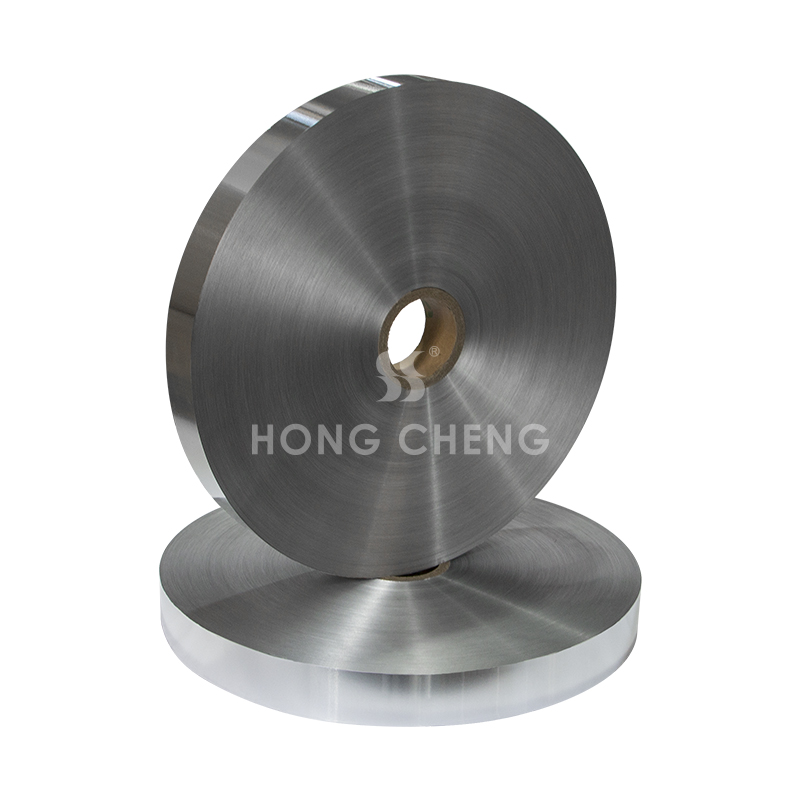
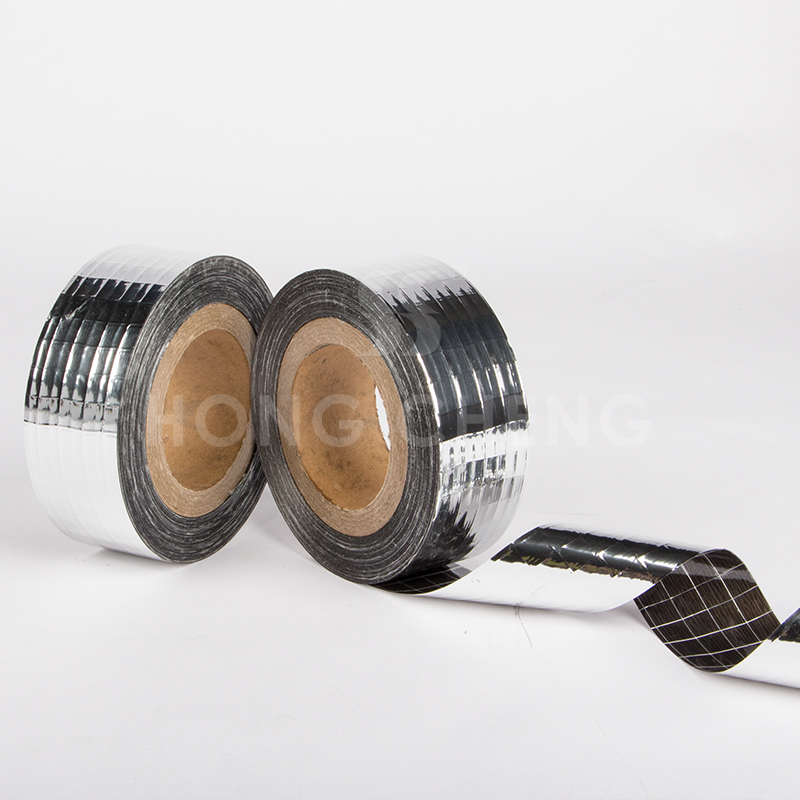
Many engineers responsible for heat tracing system design and procurement face a common confusion when specifying shielding tape: why should tracing lines use aluminum fiberglass (AL/glass) composite structure instead of the widely available AL/PET? What's the right combination of glass fiber weight and aluminum foil thickness? Which temperature grades correspond to which parameters? These questions directly impact the shielding effectiveness and service life of the pipeline system — a wrong choice can lead to severe signal interference and accelerated material degradation under high-temperature conditions.
I. Why Heat Tracing Systems Must Use Aluminum Fiberglass Shielding Tape
The operating environment of heat tracing pipelines differs fundamentally from standard cables — pipe surface temperatures are maintained continuously in the 60°C200°C range, and some steam tracing scenarios exceed 250°C. In standard AL/PET (aluminum polyester) laminated tape, the polyester layer begins to soften above 130°C, and mechanical strength drops sharply above 150°C, making it unsuitable for the long-term temperature demands of tracing applications. Glass fiber fabric, however, offers continuous operating temperatures of 260°C350°C, with short-term resistance exceeding 400°C — this is the fundamental reason AL/glass composite tape is the preferred choice for tracing pipelines.
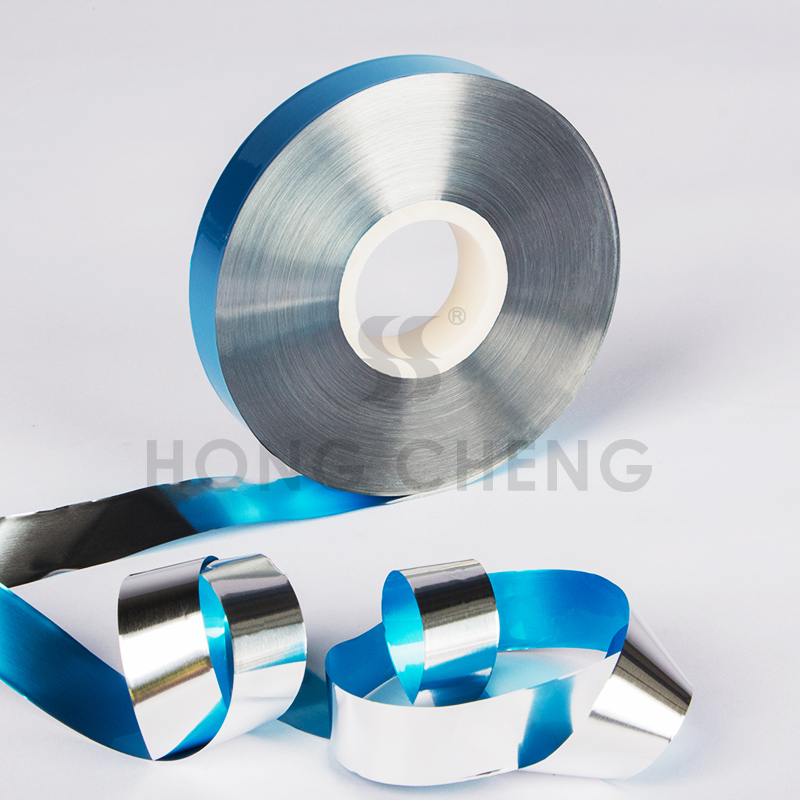
From a shielding perspective, the aluminum foil layer provides a conductive reflective surface (surface resistance ≤0.5Ω/□), while the glass fiber layer provides mechanical support and electrical insulation. When combined, they achieve electromagnetic shielding effectiveness ≥60dB@1MHz while ensuring the tape won't stretch or fracture during wrapping installation.
II. Selection by Operating Temperature: Three Grades with Matching Parameters
Standard Temperature Grade (60°C~120°C) — Lightweight AL/Glass Composite Tape
- Applications: Water pipe freeze protection tracing, fire protection line insulation, general chemical pipeline tracing
- Aluminum foil thickness: 7μm (9μm optional for cost-performance balance)
- Glass fiber specification: 30g/m²~50g/m², warp/weft density 18×12/10mm
- Total thickness: 0.10mm~0.15mm
- Key reminder: Although AL/PET can marginally survive this temperature range, considering the 10+ year design life of tracing systems, the long-term dimensional and mechanical stability of glass fiber far exceeds PET. Don't revert to AL/PET just because "the temperature isn't that high."
Medium-High Temperature Grade (120°C~200°C) — Standard AL/Glass Shielding Tape
- Applications: Petroleum pipeline steam tracing, chemical reactor vessel piping, LNG pipeline pre-cooling tracing
- Aluminum foil thickness: 9μm (hard temper, tensile strength ≥70MPa)
- Glass fiber specification: 60g/m²~80g/m², warp/weft density 24×16/10mm
- Total thickness: 0.16mm~0.22mm
- Key reminder: 9μm hard temper foil paired with ≥60g/m² glass fiber is the "golden combination" for this temperature grade. Some procurement teams reduce cost by selecting 7μm soft foil + 30g/m² thin glass — during wrapping installation, the foil layer easily develops cracks, and once the shielding conductor fractures, the tape becomes effectively useless.
Ultra-High Temperature Grade (200°C~350°C) — Reinforced AL/Glass Shielding Tape
- Applications: High-temperature steam pipelines, catalytic cracking unit tracing, coking unit piping
- Aluminum foil thickness: 12μm~15μm (hard temper, resistant to repeated bending)
- Glass fiber specification: 100g/m²~120g/m², warp/weft density 28×20/10mm
- Total thickness: 0.25mm~0.35mm
- Optional outer layer: High-temperature PE coating (80μm, for moisture protection) or bare surface for direct use
- Key reminder: In ultra-high temperature conditions, the choice of outer protective layer is critical — PE coating will decompose above 200°C, so the tape should be used bare or with a silicone rubber coating instead.
III. Selection by Installation Method: Wrapping vs. Longitudinal Packaging
The installation method for tracing shielding tape directly affects specification choices:
- Helical Wrapping (most common): Tape width 15mm~25mm, overlap rate ≥25%, requires moderate flexibility. Recommended total thickness ≤0.22mm — excessively thick tape causes edge lifting and poor surface contact during wrapping.
- Longitudinal Packaging (large-diameter pipelines): Tape width 50mm~100mm, applied along the pipeline axis, lower flexibility requirements but higher tensile strength needed. Recommended glass fiber weight ≥80g/m², as longitudinal packaging subjects the tape to greater tension forces.
IV. Key Reminders: Three Common Specification Mistakes
Mistake 1: "Thicker Glass Fiber Is Always Better" Excessively thick glass fiber (>120g/m²) increases tape rigidity, making wrapping difficult — especially on small-diameter pipelines (DN25 and below), where poor surface adhesion becomes a persistent problem. The correct approach is selecting specifications matched to pipeline diameter and temperature requirements, not simply maximizing thickness.
Mistake 2: "Only Check Aluminum Foil Weight, Ignore Glass Fiber Warp/Weft Density" Two glass fiber fabrics both rated at 60g/m² but with warp/weft densities of 18×12 vs. 24×16 can differ by over 30% in tensile strength. Insufficient warp/weft density allows the glass layer to deform under wrapping tension, causing the foil to fracture. Always confirm both weight and warp/weft density specifications before ordering.
Mistake 3: "Shielding Tape and Jacketing Tape Can Be Interchanged" Shielding tape functions as an electromagnetic barrier (conductive foil surface facing inward), while jacketing tape provides physical protection (weather-resistant layer facing outward). They differ in foil orientation and interlayer structure. Using them interchangeably compromises both shielding effectiveness and jacket longevity.
V. Practical Procurement Checklist
Confirm these 6 parameters before placing an order — it eliminates 90% of specification errors:
- Maximum pipeline operating temperature (determines foil thickness + glass fiber weight)
- Pipeline diameter range (determines tape width + total thickness ceiling)
- Installation method (wrapping or longitudinal, determines flexibility requirements)
- Shielding effectiveness requirement (≥60dB or higher, determines foil surface resistance)
- Outer layer protection requirement (waterproof PE coating / bare surface / silicone rubber coating)
- Design service life (10 years / 15 years / 20 years, determines whether reinforced specifications are needed)
Hongcheng Technology (Techfoil) has been supplying aluminum fiberglass composite shielding tape across the full temperature range — from standard to ultra-high temperature grades. Foil thickness options from 7μm to 15μm, glass fiber weight from 30g/m² to 120g/m², with custom widths and interlayer structures tailored to pipeline diameter and operating conditions. If you have questions about shielding tape selection for tracing pipelines, feel free to reach out — we provide one-on-one customized consultation.
Phone/WeChat: +86 13758223270 Email: wendy@hcdxcl.com.cn
Single-Sided or Double-Sided? How to Choose Aluminum Foil Facing for HVAC Ducts
Woven Aluminum Foil for Crate Lining: Summer Moisture Protection Guide