Aluminum Foil Bubble Insulation Material: Understanding Multi-Layer Composite Structures
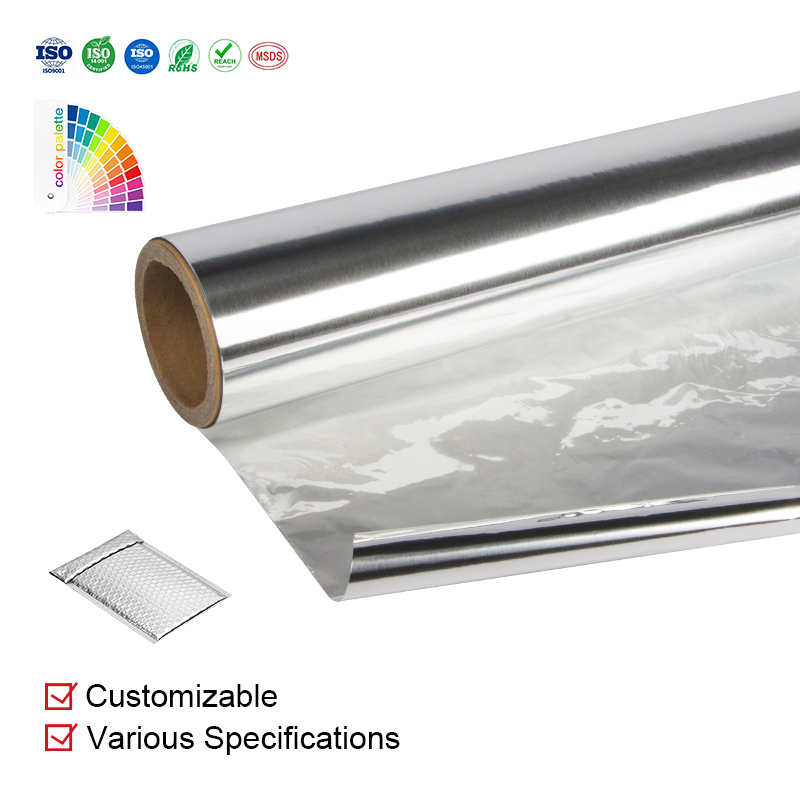
Aluminum foil bubble insulation has become one of the fastest-growing composite material categories in the building insulation sector. By combining the radiant-barrier properties of aluminum foil with the thermal resistance of air-filled bubble layers, this material delivers a lightweight, high-performance, and installation-friendly solution. For insulation product manufacturers and construction material companies, understanding the structural logic of this raw material helps make more informed sourcing decisions.
What Is Aluminum Foil Bubble Insulation Material?
Foil bubble insulation is a multi-layer composite roll material that bonds aluminum foil (or metalized film) as a reflective layer with PE bubble film as an intermediate air-cushion insulation layer. Common structures include:
- Single-foil + bubble + PE backing (single-foil, single-bubble): Lower cost, suitable for applications requiring one-sided heat reflection;
- Double-foil + bubble (double-foil, single-bubble): Reflective surfaces on both sides for significantly enhanced insulation performance;
- Foil + double-bubble + foil (double-foil, double-bubble): Greater thickness, suited for demanding applications such as cold storage liners or industrial equipment wrapping.
Aluminum foil thickness typically ranges from 7 to 12 microns. Bubble diameter and height determine the thickness of the insulating air layer. The bonding method — including adhesive type, extrusion lamination parameters, and heat-press settings — directly influences the durability and thermal stability of the finished product.
How It Works: Three Thermal Mechanisms in Combination
Many procurement professionals focus solely on foil thickness, overlooking the core contribution of the bubble layer. High-performance foil bubble insulation operates through three complementary mechanisms:
1. Radiant Heat Reflection Aluminum foil's high surface reflectivity (typically above 95%) effectively reflects infrared radiation, blocking heat transfer through radiant means. This is particularly valuable for roof insulation in summer conditions — solar radiant heat is the primary source of building heat gain, making the foil layer most impactful in this scenario.
2. Convective Heat Resistance The still air sealed within each bubble is an excellent insulator, with a thermal conductivity of approximately 0.026 W/(m·K) — far lower than metallic materials. By dividing the air into isolated cells, the bubble layer suppresses convective air movement, improving the overall R-value of the assembly.
3. Conductive Heat Resistance Multiple composite interfaces create thermal "break points" in the structure, extending the conduction path for heat and indirectly reducing the overall rate of heat transfer.
These three mechanisms working together allow foil bubble insulation to achieve strong overall thermal performance even in a thin, lightweight form factor.
Key Specification Parameters for Sourcing
When procuring foil bubble composite rolls, the following specifications directly affect downstream product performance:
Foil Layer Selection
- Plain aluminum foil: Bright surface with high reflectivity, suitable for interior insulation products where appearance matters;
- Metalized film (Metalized PET/CPP): Aluminum deposited onto PET or CPP via vacuum metallization, with an aluminum layer of approximately 20–35 nanometers. Lower cost than plain foil, but slightly reduced reflectivity;
- Foil + woven scrim composite facing: Appropriate for applications requiring higher tear resistance.
Bubble Layer Specifications Bubble diameters are commonly available in 10mm, 15mm, and 20mm; expanded bubble height ranges from 3mm to 10mm. Larger-diameter, higher-profile bubbles provide a thicker static air layer but result in a bulkier, heavier roll — trade-offs that should be weighed against ease of installation.
Width and Custom Capability Standard roll widths are typically 1000mm and 1200mm, with slitting and wide-format customization available based on downstream production requirements. Hongcheng Technology supports integrated laminating-to-slitting customization, with roll widths adjusted to specification.
Key Application Scenarios
Foil bubble insulation raw material serves a wide range of building and industrial end-uses:
- Roof insulation layer: Applied to the interior surface of metal roofing panels or beneath concrete roofs, significantly reducing summer indoor temperatures;
- Wall insulation auxiliary layer: Used alongside extruded polystyrene or rockwool panels to provide supplementary insulation and moisture resistance;
- Cold storage and thermal shipping box liners: Double-foil, double-bubble structures are widely used in pharmaceutical and fresh-food cold chain logistics;
- Pipe insulation wrap: Applied around HVAC ducting or hot-water pipes to retard heat dissipation;
- Underfloor heating reflective layer: Laid beneath radiant floor heating pipes to reflect heat upward, improving heating efficiency.
Sourcing Recommendations
The current market for foil bubble composite rolls is highly fragmented. Some suppliers substitute low-cost metalized film for genuine aluminum foil on the facing layer — a substitution that is difficult to detect visually but results in significantly lower reflectivity. When evaluating suppliers, it is advisable to verify the following:
- Foil layer specification: Request a material test report confirming foil thickness (e.g., 7μm or 9μm pure aluminum);
- Lamination bond strength: Conduct a peel test simulating installation stress to confirm the foil does not delaminate from the bubble layer;
- Bubble film resin grade: High-quality bubble film uses virgin-grade PE resin; avoid recycled-content film, which is prone to bubble collapse and reduced air retention;
- Roll width consistency: Width tolerance should be within ±2mm to ensure clean seams during installation.
Conclusion
Aluminum foil bubble insulation composite material has established a stable position in the building insulation market by delivering lightweight, multi-mechanism thermal performance with practical installation advantages. Its application footprint continues to expand into industrial equipment insulation and cold chain logistics. As building energy efficiency standards continue to tighten, demands on composite material structure and raw material quality will rise in parallel.
Hongcheng Technology specializes in the development and custom production of aluminum foil composite materials. We supply foil bubble composite rolls in multiple structures and specifications, with samples and bulk orders available to customer requirements. Contact us to discuss your sourcing needs.
AL/PE Composite Lining Film for Bags & Cases: Market Trends and Material Selection Guide
Why Aluminum Foil Composite Materials Are Essential for Luggage and Bag Interior Linings