Aluminum Foil Composite Film Purchase Guide: Must-Know Tips to Avoid Pitfalls
Aluminum foil composite film, with its excellent barrier, moisture-proof and mechanical properties, is widely used in food, medicine, industry, new energy and many other fields, and has become a mainstream functional packaging material. However, the quality of products on the market is uneven, and the price difference is huge, ranging from a few yuan to dozens of yuan per square meter. Many purchasers, due to the lack of professional knowledge, are prone to fall into misunderstandings such as "low-price traps" and "shoddy products", leading to problems such as damage, leakage and barrier failure in subsequent use. Combining industry standards and practical procurement experience, this article sorts out the core precautions and anti-pitfall skills for purchasing aluminum foil composite film, helping purchasers accurately select products, avoid risks, and balance practicality and cost performance.
The primary prerequisite for avoiding pitfalls: clarify your own needs and refuse blind selection. This is the basis for avoiding pitfalls. Many purchasers blindly pursue "high-end" or "low-price" without clarifying the usage scenario, resulting in mismatching between products and needs. First, it is necessary to clarify the application scenario: food packaging should give priority to food-grade materials that meet national standards such as GB 4806.9, medical packaging should meet ISO 15378 standards and sterility requirements, and industrial or new energy fields should select products with special properties such as flame retardancy and high temperature resistance according to needs[1][3]; second, clarify core needs: if focusing on moisture and oxygen resistance, pay attention to Water Vapor Transmission Rate (WVTR) and Oxygen Transmission Rate (OTR). For food packaging, it is recommended to choose products with WVTR ≤ 0.5 g/(m²·24h) and OTR ≤ 0.5 cm³/(m²·24h); if focusing on mechanical protection, pay attention to indicators such as tensile strength and peel strength to ensure that the composite layer is not easy to delaminate or tear[1][5].
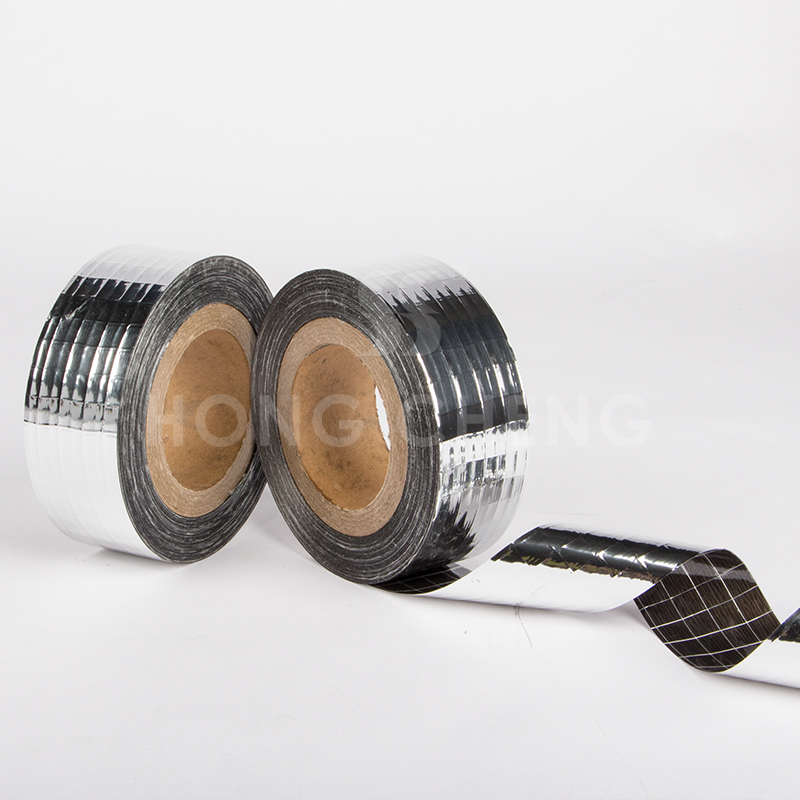
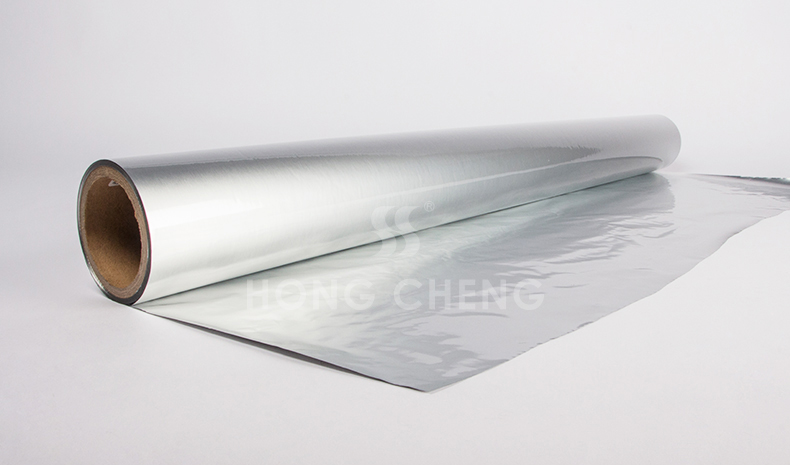
Core anti-pitfall point 1: Be alert to shoddy materials and learn simple identification. Material is the core determining the quality of aluminum foil composite film, and it is also the link where pitfalls are most likely to occur in the market. The aluminum foil layer of high-quality aluminum foil composite film should have a purity of more than 99.5%, uniform thickness, no pinholes, scratches and other defects. The composite substrate is mostly high-quality films such as PET, PA and CPP, with no peculiar smell or impurities[2][4]; while inferior products mostly use low-purity aluminum foil (purity less than 99%), which is thin and uneven, easy to wrinkle and break. The composite substrate is mostly recycled plastic, which will emit pungent peculiar smell and even contain harmful additives, posing potential safety hazards when in long-term contact with food and medical products[4]. The identification method is simple and easy to operate: first, look at the appearance - high-quality products have a smooth and flat surface and uniform color, while inferior products have dark color and impurity spots; second, smell the odor - no odor or only a slight plastic smell means high quality, while pungent odor means inferior; third, test the hand feel - high-quality products are flexible and tough, not easy to break when rubbed, while inferior products are thin and brittle, making a harsh sound when rubbed[4][5].
Core anti-pitfall point 2: Do not be misled by low prices, and distinguish the relationship between price and value. Many merchants on the market attract purchasers with "low prices" as a gimmick, but behind the low prices are often material shrinkage and shoddy craftsmanship. The price of aluminum foil composite film is directly related to aluminum foil purity, composite process and substrate quality. High-quality products adopt high-precision solvent-free lamination or co-extrusion casting process, with strict production control and perfect testing links, so the cost is relatively high; while inferior products adopt simple dry lamination process, even omit testing links, with extremely low cost and naturally low price. However, they are prone to delamination, leakage and other problems in use, which will increase the subsequent rework and replacement costs, which is not worth the loss[1][3]. When purchasing, it is necessary to rationally compare prices. If the price of a product is much lower than the market average, it is necessary to be alert to material and process shrinkage. Priority should be given to manufacturers with reasonable prices and good reputation, and it is necessary to ask manufacturers to provide material testing reports when necessary[4].
Core anti-pitfall point 3: Pay attention to process details and avoid potential hidden dangers. The quality of the composite process directly affects the service life and effect of the product, which is easy to be ignored by purchasers. High-quality aluminum foil composite film adopts precise composite process, with firm bonding of the composite layer, peel strength ≥ 1.5N/15mm, no delamination, bubbles and other problems, good heat sealing performance, heat sealing strength ≥ 20N/15mm, and firm sealing not easy to leak[1][5][4]; inferior products have rough craftsmanship, unstable bonding of the composite layer, easy delamination and film detachment, easy cracking at the heat-sealed part, and failure to achieve effective sealing. Especially in food and medical packaging, it will lead to deterioration and pollution of the contents. When purchasing, you can ask the manufacturer to provide samples, manually test the bonding strength of the composite layer, and observe whether the heat-sealed part is flat and firm, so as to avoid pitfalls due to process problems.
Additional anti-pitfall skills: verify the manufacturer's qualifications and retain relevant documents. When purchasing, priority should be given to manufacturers with their own production factories and no intermediate links. Such manufacturers not only have more advantages in price, but also can ensure product quality and supply stability, avoiding the problem of layers of price increases by intermediaries and uncontrollable quality [refer to the user's previous needs]; at the same time, verify the manufacturer's qualifications, check whether it has quality system certifications such as ISO9001, and whether it can provide product testing reports to ensure that the products meet relevant standards[3][4]. In addition, sign a formal procurement contract, clarify the product material, specification, performance indicators and after-sales guarantee, and retain relevant documents such as testing reports and samples. If there are quality problems later, you can safeguard your legitimate rights and interests in accordance with the law.
In summary, the core of avoiding pitfalls in purchasing aluminum foil composite film is: clarify needs without blindness, identify materials without compromise, compare prices rationally without greed for low prices, and pay attention to craftsmanship without neglect. As long as purchasers master the above skills and accurately select products according to their own needs, they can effectively avoid common pitfalls in the market, purchase cost-effective aluminum foil composite film that meets their needs, and avoid unnecessary losses caused by product quality problems.
Aluminum Price Surpasses 25,000 CNY/Ton, Global Supply Shortage Underpins High Prices
Turbulent International Situation: Where Will Global Aluminum Prices Go?