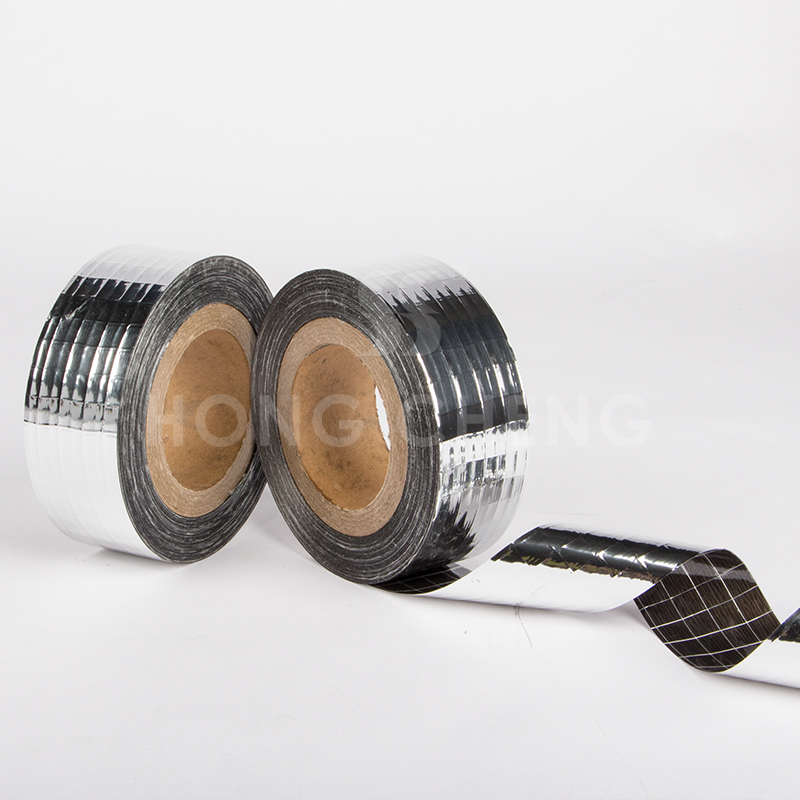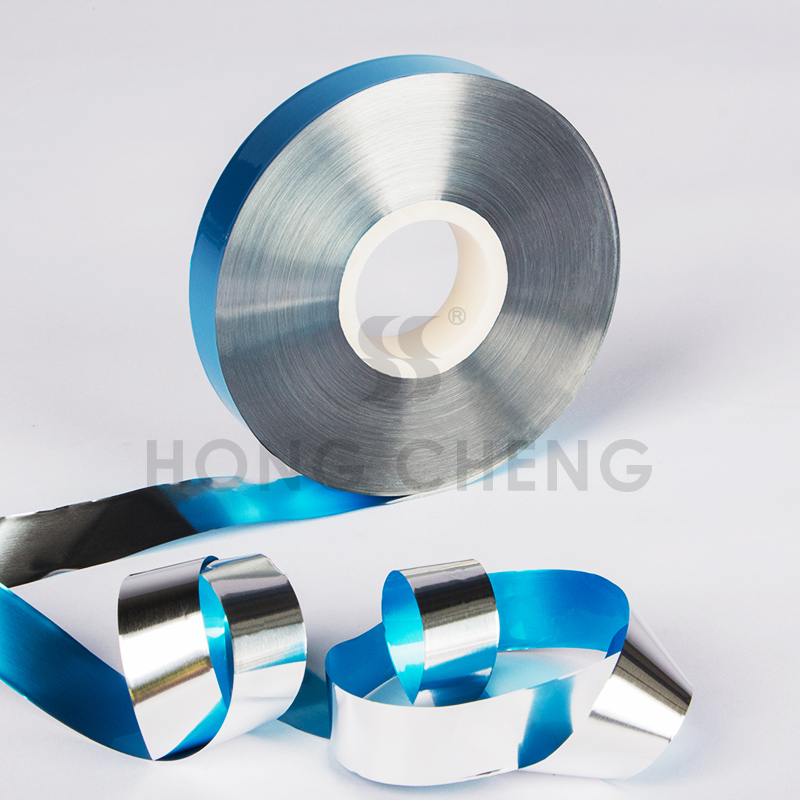
How to Choose Between Three-Layer and Five-Layer Aluminum Foil Composite Film?
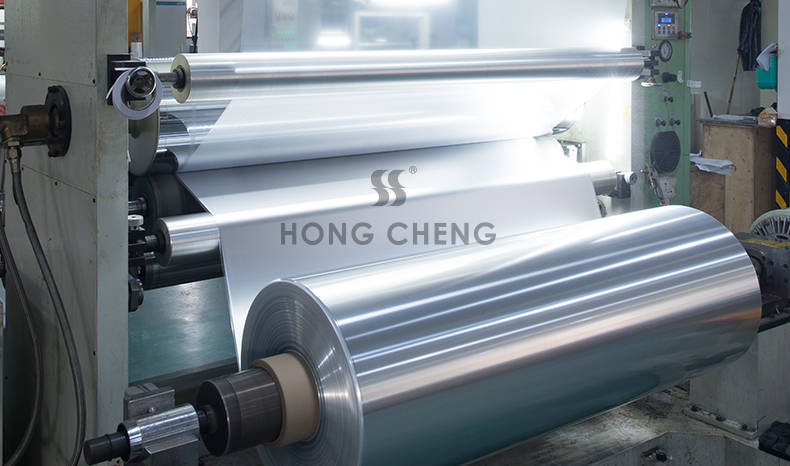
The structural design of aluminum foil composite film directly determines its core properties such as barrier property, mechanical strength and temperature resistance, and adapts to the use needs of different scenarios. At present, the mainstream aluminum foil composite films on the market are mainly three-layer and five-layer structures. There are significant differences between the two in material matching, production process, performance and application scenarios. Many purchasers are easy to confuse the applicable scope of the two when selecting products, leading to mismatching between products and needs. Combined with industry practice, this article sorts out the core logic of structural selection of aluminum foil composite film, details the differences between three-layer and five-layer aluminum foil composite films, helps purchasers accurately select products, and balances performance and cost performance.
The core structure of aluminum foil composite film is a composite system of "substrate + aluminum foil + substrate", which achieves functional complementarity through the combination of different materials. The core principle of structural selection is "selecting according to needs". It is necessary to determine the number of composite layers, substrate type and thickness according to the barrier requirements, mechanical protection needs, temperature resistance range and cost budget of the use scenario. Common substrates include PET (polyester), PA (nylon), PE (polyethylene), CPP (cast polypropylene), etc. Among them, PET focuses on high temperature resistance and stiffness, PA focuses on puncture resistance and flexibility, PE/CPP focuses on heat sealability, and aluminum foil mainly plays the role of blocking water vapor and oxygen. The more layers, the more complex the structure, the more comprehensive the performance, but the cost also increases accordingly.
Three-layer aluminum foil composite film is the most widely used structure on the market, focusing on cost performance and practicality, and suitable for most conventional scenarios. Its typical structure is "outer substrate + aluminum foil + inner heat-sealing layer", with common combinations of PET/AL/PE and PA/AL/CPP. The outer PET or PA mainly plays a protective role, improving the stiffness and puncture resistance of the film, and avoiding the aluminum foil from being scratched and damaged; the middle aluminum foil layer (usually 12-25μm thick) is the core barrier layer, which can effectively block water vapor, oxygen and light, preventing the contents from deteriorating; the inner PE or CPP has good heat sealability, facilitating subsequent packaging and sealing to ensure firm sealing.
The core advantage of three-layer aluminum foil composite film is simple structure, controllable cost and balanced comprehensive performance. Its production process is relatively simple, adopting conventional dry lamination or solvent-free lamination process, with high production efficiency and price 30%-40% lower than that of five-layer structure. In terms of performance, it can meet the conventional needs of moisture-proof, oxygen barrier and mechanical protection, with tensile strength ≥15MPa, peel strength ≥1.2N/15mm, and temperature resistance range of -40℃ to 120℃. It is mainly used in ordinary food packaging, industrial product protection, conventional pipeline wrapping and other scenarios with moderate requirements on barrier property and mechanical performance, and is the preferred cost-effective choice for purchasers.
Five-layer aluminum foil composite film focuses on high performance and high protection, and is suitable for special scenarios with strict requirements on barrier property and mechanical strength. Its typical structure is "outer substrate + intermediate transition layer + aluminum foil + intermediate transition layer + inner heat-sealing layer", with common combinations of PET/PA/AL/PA/CPP and PET/AL/PA/AL/PE. Compared with the three-layer structure, the five-layer structure adds 1-2 transition substrates (mostly PA or PET), and further strengthens the comprehensive performance of the product through multi-substrate composite, making up for the shortcomings of the three-layer structure.
The core differences between three-layer and five-layer aluminum foil composite films are concentrated in four aspects: performance, process, cost and application scenarios. In terms of performance, the five-layer structure has stronger puncture resistance and tear resistance, with tensile strength up to 20MPa or more, peel strength ≥1.8N/15mm, better barrier performance, water vapor transmission rate ≤0.01g/(m²·24h), oxygen transmission rate ≤0.1cm³/(m²·24h), and wider temperature resistance range (-50℃ to 150℃), which can withstand more complex use environments; in terms of process, the five-layer structure requires multiple lamination processes, stricter production control, higher requirements on equipment and technology, and longer production cycle; in terms of cost, the five-layer structure is much more expensive than the three-layer structure due to more substrates and more complex processes; in terms of application scenarios, the five-layer structure is mainly used in high-end food packaging (such as prepared dishes, cold chain food), medical sterile packaging, new energy battery packaging and other scenarios with extremely high requirements on barrier property and mechanical protection, while the three-layer structure is suitable for conventional scenarios.
When selecting products, it should be noted that more layers are not better, and reasonable selection should be made according to actual needs. If it is used for ordinary packaging and conventional protection, the three-layer structure can meet the needs, and there is no need to blindly pursue the five-layer structure to avoid increasing unnecessary costs; if it is used for high-end and special scenarios, the five-layer structure should be preferred to ensure that the product performance meets the standard, and avoid damage to the contents due to insufficient structure. In addition, regardless of the structure selected, attention should be paid to the substrate quality and composite process to ensure that the aluminum foil layer has no pinholes and the composite layer has no delamination, so as to ensure product stability.
In summary, the core differences between three-layer and five-layer aluminum foil composite films lie in performance strength and applicable scenarios. The key to structural selection is to match their own use needs and cost budget. Clarifying the differences between the two can not only avoid selection mistakes, but also optimize costs, allowing the aluminum foil composite film to give full play to its protective and barrier effects, and provide suitable solutions for packaging and protection needs in different fields.
Tension in the Middle East Leads to Sharp Rise in Aluminum-Plastic Composite Film Prices, Industry Pattern Undergoes Short-Term Adjustment
Aluminum Price Surpasses 25,000 CNY/Ton, Global Supply Shortage Underpins High Prices