Aluminum Foil Composite Materials Driving Growth in Industrial Ventilation: 2026 Market Outlook
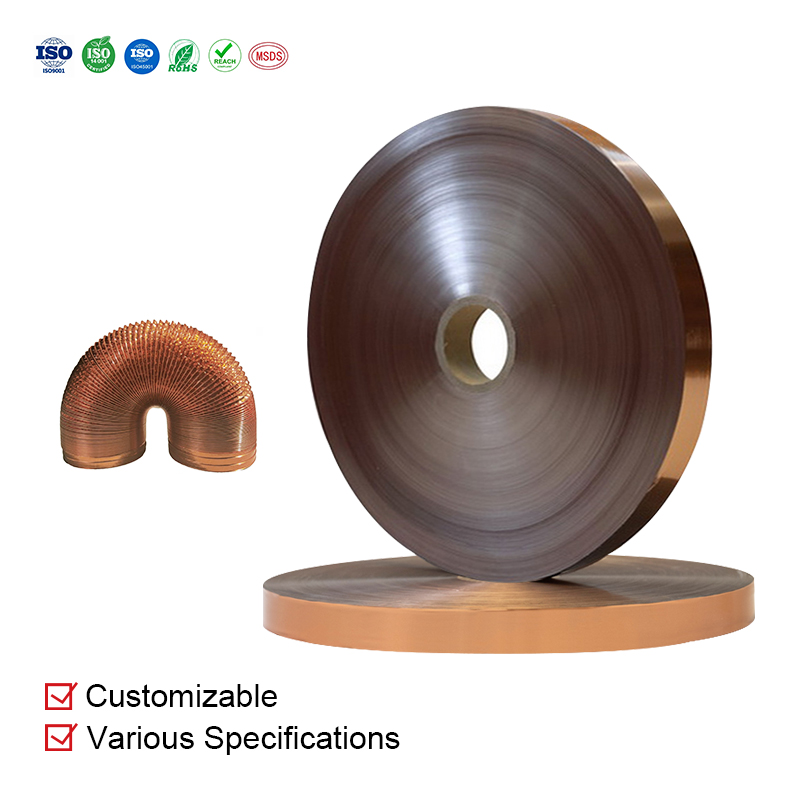
As global demand for energy-efficient building systems accelerates, aluminum foil composite materials have emerged as a cornerstone of the industrial ventilation and HVAC sector. From flexible insulated ducts to rigid air handling systems, the unique combination of lightweight construction, thermal insulation, and moisture resistance makes aluminum foil composites the material of choice for engineers and procurement teams worldwide.
Market Growth: A Sector on the Rise
The global flexible ducting market surpassed 2.1 billion meters of installed length in 2023 and continues to expand at a robust pace. Industry analysts project the metal HVAC air duct segment to maintain strong growth through 2026–2034, fueled by accelerating construction activity, stricter building energy codes, and the global push toward carbon neutrality.
The flexible aluminum duct segment — a key application for aluminum foil composite materials — is benefiting from dual tailwinds: the boom in commercial and industrial construction, and the rapid retrofit of existing buildings to meet modern energy efficiency standards.
Why Aluminum Foil Composite Is the Industry Standard
Modern flexible ventilation ducts rely on a multi-layer aluminum foil composite structure — typically aluminum foil combined with woven fabric (polyester or fiberglass) or non-woven materials — to deliver:
- Superior Thermal Insulation: Aluminum foil reflects over 95% of radiant heat, reducing energy loss in HVAC systems
- Excellent Moisture Barrier: Prevents condensation and corrosion within ductwork, extending system lifespan
- Lightweight & Flexible: Simplifies installation in complex building configurations
- Fire Resistance: Compliant with international fire safety standards for building applications
- Dimensional Stability: Maintains shape and integrity under sustained airflow pressure
Key Application Segments
Commercial HVAC Systems Office buildings, shopping malls, and hospitality facilities rely on aluminum foil composite flexible ducts for air distribution. The material's combination of insulation performance and installation flexibility makes it indispensable in modern mechanical, electrical, and plumbing (MEP) systems.
Industrial Ventilation & Fume Extraction Manufacturing facilities, pharmaceutical plants, and chemical processing operations use aluminum foil composite ducts for fume extraction, dust collection, and process ventilation. The material's chemical resistance and barrier properties are critical in these demanding environments.
Clean Room & Precision Environment Applications Data centers, semiconductor fabs, and laboratory facilities require ductwork with controlled air tightness and low particulate emissions. Aluminum foil composite materials meet these stringent requirements while maintaining cost efficiency.
Residential HVAC Retrofit As energy renovation programs expand globally, aluminum foil flexible ducts are seeing increased adoption in residential retrofit projects, replacing aging ductwork in existing housing stock.
Supply Chain Considerations for 2026
Procurement teams sourcing aluminum foil composite materials for ventilation applications should prioritize suppliers offering:
- Consistent foil thickness and alloy specification (typically 1235 or 8011 alloy)
- Verified interlayer bonding strength (dry lamination process preferred)
- Custom width and length capabilities for project-specific requirements
- ISO 9001 quality management certification
Outlook
With global flexible ducting installations continuing to grow and building energy standards tightening across major markets, aluminum foil composite materials are positioned for sustained demand growth throughout 2026 and beyond. Suppliers with strong manufacturing capacity, quality certification, and customization capability are best positioned to capture this expanding opportunity.
Hongcheng Technology has specialized in aluminum foil composite materials for 17 years, supplying high-performance products to the HVAC, cable shielding, building insulation, and industrial packaging sectors. Annual production capacity exceeds 20,000 tons.
Data sources: Market Reports World, Data Insights Market, Growth Market Reports, Pro Market Reports.
Aluminum Foil Shielding Tape for Cables: 2026 Market Trends and What Cable Engineers Need to Know
Industrial Applications of Aluminum Foil Composite Materials: 2026 Market Overview Across Four Key Sectors