Why is Aluminum Foil the Chosen One for Composite Materials?
2025-07-16
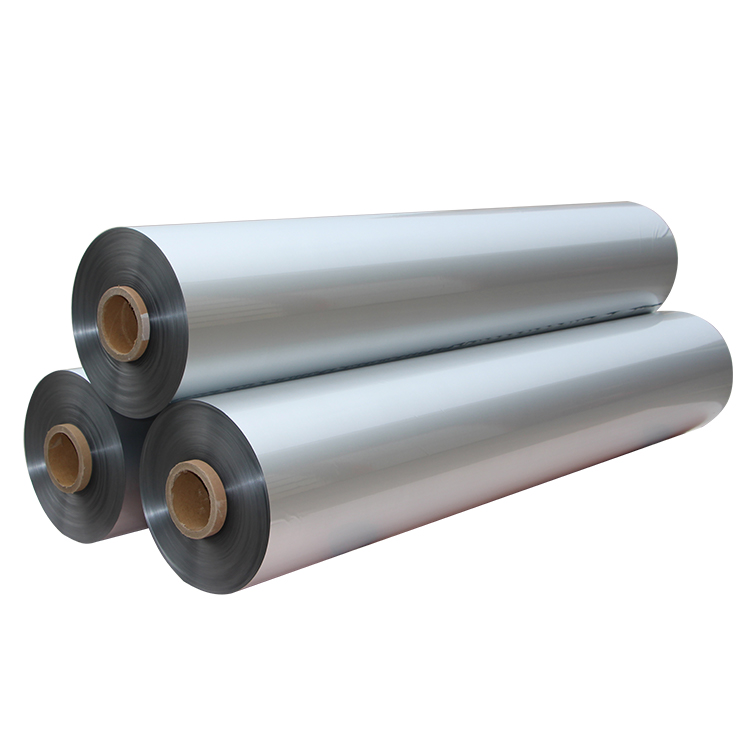
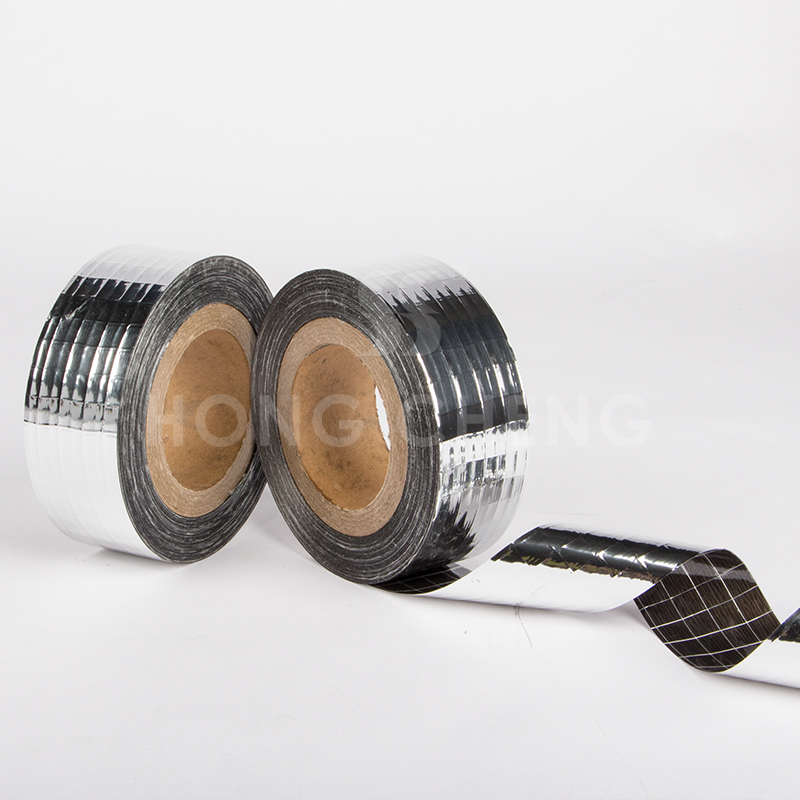
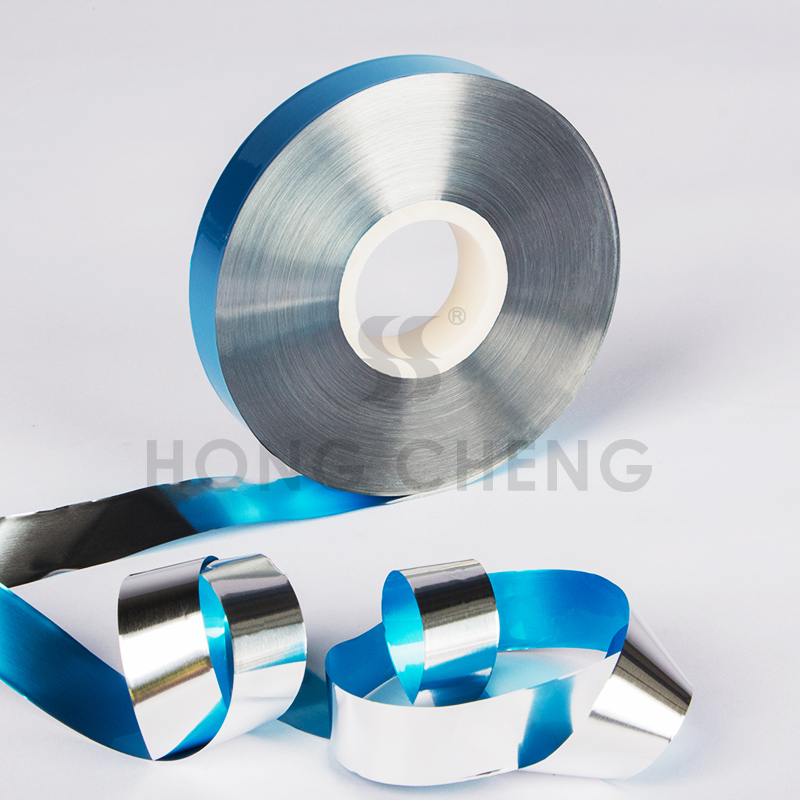
In the vast field of materials science, composite materials have emerged as the darlings of many industries due to their unique advantages. In the large family of composite materials, aluminum foil shines like a bright star. With many excellent properties, it has become the “chosen one” in composite materials. So, why can aluminum foil receive this honor? This starts with its characteristics, composite advantages with other materials, and wide application fields.
I. Characteristics of Aluminum Foil
Aluminum foil usually refers to aluminum materials with a purity of over 99.5% and a thickness of less than 0.2 mm. Aluminum is soft and highly malleable. This property enables it to be easily rolled into thin sheets to make aluminum foils of various thicknesses. From the thin aluminum foil paper in food packaging to the thicker aluminum foil sheets in the industrial field, the diversity of aluminum foil thicknesses meets the needs of different scenarios.
Aluminum foil has a silvery - white luster, which is not only beautiful but also can reflect light and heat, having good heat insulation and light - reflecting properties. In the construction field, aluminum foil is often used in heat - insulating materials. It can effectively block solar radiant heat from entering the room, reducing the energy consumption of air - conditioning and other refrigeration equipment, playing a role in energy conservation and environmental protection. In the automotive industry, some engine heat shields also use aluminum foil to protect the components around the engine from high temperatures.
In addition, aluminum foil has advantages such as moisture resistance, airtightness, light shielding, wear resistance, non - toxicity, and odorlessness. Its moisture - resistant property is crucial in food and pharmaceutical packaging. It can effectively prevent water vapor from entering the package, avoiding food from getting damp and deteriorating, and preventing drugs from being affected by moisture and reducing their efficacy. The airtight property helps maintain the stability of the gas environment inside the package, which is of great significance for some products that need to be preserved. The light - shielding property makes aluminum foil the first choice for the packaging of light - sensitive products, such as cosmetics and photosensitive materials, preventing light from damaging the product components. The non - toxic and odorless characteristics ensure that when aluminum foil comes into direct contact with food, medicine, etc., it will not harm human health.
II. Application Fields of Aluminum Foil in Composite Materials
The application of aluminum foil in composite materials is very extensive, covering many fields such as aerospace, new energy, railway transportation, construction, and packaging.
In the packaging field, after aluminum foil is combined with materials such as plastics and paper, it can form composite materials with excellent barrier properties. This composite material can effectively block gases, moisture, and light, thus protecting the internal items from the external environment. In food packaging, aluminum - foil composite materials are widely used in the packaging of chocolates, potato chips, coffee, and other products. Chocolates are prone to melting and being affected by moisture. The aluminum - foil composite packaging can well isolate the external heat and moisture, maintaining the taste and shape of chocolates. Potato chips are puffed foods and are sensitive to oxygen and moisture. The aluminum - foil composite material can prevent potato chips from oxidizing, deteriorating, and becoming soft, extending their shelf life. Coffee has high requirements for aroma and freshness. The aluminum - foil composite packaging can block oxygen and odors from entering, retaining the original flavor of coffee.
In pharmaceutical packaging, aluminum - foil composite materials can maintain the stability and effectiveness of drugs, preventing drugs from being affected by light and moisture. Some drugs that are sensitive to light, heat, and humidity, such as certain antibiotics and vitamins, are packaged in aluminum - foil blister packs or aluminum - plastic composite bags to ensure the quality and safety of drugs during storage and transportation. In the packaging of electronic products, aluminum - foil composite materials can shield electromagnetic interference and protect electronic products from static electricity and electromagnetic waves. With the development of electronic products towards miniaturization and high - performance, the requirements for electromagnetic shielding are getting higher and higher. Due to its good shielding performance, aluminum - foil composite materials are widely used in the packaging of mobile phones, tablets, electronic components, etc.
In the aerospace field, composite materials made of aluminum foil and high - performance fibers and other materials have the characteristics of high strength and low density, and can be used to manufacture structural components such as aircraft wings and fuselages, reducing the weight of the aircraft and improving flight performance. In the new energy field, such as the packaging of lithium - ion batteries, aluminum foil, as an important part of the soft package of batteries, its good barrier properties and corrosion resistance can ensure that the electrolyte inside the battery does not leak, improving the safety and service life of the battery.
III. The Combined Advantages of Aluminum Foil and Composite Materials
After aluminum foil is combined with other materials, the formed composite materials integrate the advantages of a variety of materials and show powerful performance advantages.
- Enhanced Barrier Performance: The aluminum - foil layer plays a key barrier role in the composite material, effectively blocking gases, moisture, and light. In food packaging, this barrier performance can prevent food from oxidizing due to contact with oxygen, deteriorating due to moisture absorption, and undergoing chemical reactions due to light exposure, thus extending the shelf life of food. In pharmaceutical packaging, it can prevent drugs from reacting with oxygen, water vapor, etc. in the external environment, ensuring the quality and efficacy of drugs. In the packaging of electronic products, it can block electromagnetic interference and protect the performance of electronic products from being affected.
- Improved Strength and Toughness: The combination of aluminum foil and other materials significantly improves the strength and toughness of the composite material. For example, after aluminum foil is combined with plastic, the flexibility of plastic and the strength of aluminum foil are combined, enabling the composite material to withstand greater physical pressure and is not easy to break or be damaged during transportation and storage. In the construction field, the insulation board made of aluminum foil and insulation materials not only has good heat - insulation performance but also has good strength and toughness, which is convenient for installation and use and can withstand a certain amount of external force impact.
- Optimized Processing and Printing Performance: Aluminum - foil composite materials have good processing performance and can meet the packaging requirements of various shapes and sizes. Whether it is made into a soft packaging bag or a hard packaging box, aluminum - foil composite materials can easily handle it. At the same time, the silvery - white luster of aluminum foil and its easy - coloring characteristics provide more creative space for packaging design. In packaging printing, aluminum - foil composite materials can well absorb inks and print colorful and exquisitely patterned packages, enhancing the visual appeal of products.
- Enhanced Environmental Protection: Aluminum foil is a recyclable and reusable material, which is in line with the concept of sustainable development. After aluminum - foil composite materials are discarded, aluminum foil can be separated from other materials through recycling treatment, realizing the recycling of aluminum foil. This helps to reduce resource waste and environmental pollution and reduce the dependence on virgin resources. Compared with some plastic packaging materials that are difficult to degrade, aluminum - foil composite materials have obvious advantages in environmental protection.
In conclusion, aluminum foil, with its unique physical and chemical properties, shows powerful performance advantages after being combined with other materials and is widely used in many fields, providing strong support for the development of various industries. Its important position in composite materials is irreplaceable, making it a well - deserved “chosen one”. With the continuous progress of science and technology, the application prospects of aluminum foil in the field of composite materials will be broader, and it is expected to bring more convenience and innovation to human society.
What are the Characteristics of Aluminum Foil Woven Film Material?
Requirements for Aluminum Foil in Insulated Cotton with Aluminum Foil