Industrial Applications of Aluminum Foil Composite Materials: 2026 Market Overview Across Four Key Sectors

Overview
Aluminum foil composite materials — valued for their outstanding barrier properties, thermal conductivity, electromagnetic shielding performance, and lightweight characteristics — have become indispensable in industrial manufacturing. In 2026, driven by accelerating new energy infrastructure investment, stricter green building standards, expanding HVAC markets, and growing demand for upgraded industrial packaging, aluminum foil composites are demonstrating robust growth across four key downstream sectors: cable and electronic shielding, flexible ventilation ducts, building thermal insulation, and industrial flexible packaging.
1. Cable & Electronic Shielding: New Energy Wave Drives Sustained Demand Growth
Global investment in power infrastructure continues to surge in 2026, with new energy generation, ultra-high voltage transmission, and data center construction collectively fueling high-speed growth in shielded cable demand. Aluminum foil, with its exceptional electromagnetic shielding efficiency and cost advantages, has become an irreplaceable shielding layer material in communication cables, control cables, and new energy wire harnesses.
According to industry research, the global aluminum foil shielding tape (aluminum foil composite) market reached approximately USD 104 million in 2025, and is projected to grow to USD 177 million by 2032, representing a compound annual growth rate (CAGR) of 8.1% from 2026 to 2032.
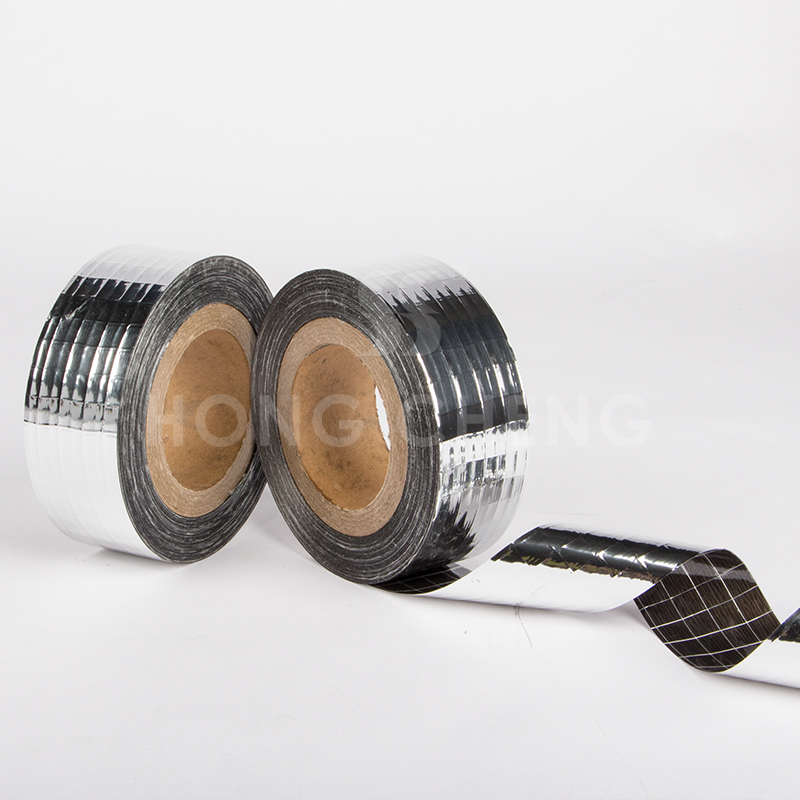
The core advantages of aluminum foil composites in cable applications include: the composite structure of aluminum foil with woven fabric or non-woven fabric, which balances shielding efficiency with flexibility; and the dry lamination process, which ensures stable interlayer bonding strength to meet reliability requirements in long-term bending and vibration environments.
2. Flexible Ventilation Ducts: HVAC Market Expansion Drives Demand Past Billion-Dollar Mark
As commercial buildings, industrial facilities, and residential properties raise the bar for indoor air quality, the HVAC market continues its steady expansion. Aluminum foil insulated flexible ducts — lightweight, thermally insulating, moisture-resistant, and easy to install — have become the go-to material in modern ventilation systems.
According to the latest market reports, the global aluminum foil duct industry has surpassed the ten-billion-dollar valuation mark, with projections indicating continued expansion at a CAGR exceeding 8% in 2026. In China, fiberglass-aluminum foil insulated duct manufacturers are rapidly penetrating the mid-to-high-end HVAC segment through technology upgrades and capacity expansion.
On the technical side, multi-layer aluminum foil composite structures (aluminum foil + fiberglass + aluminum foil, or aluminum foil + woven fabric) are evolving toward lighter weight and smarter design, catering to high-end applications such as clean rooms and purification engineering. Looking ahead, the dual carbon targets and increasingly stringent building energy efficiency standards are expected to further expand the market for aluminum foil ventilation materials.
3. Building Thermal Insulation: Policy Push and Green Construction Create New Opportunities
Building energy efficiency is a critical pathway toward achieving China's carbon neutrality goals. In 2026, the government continues to strengthen insulation standards for exterior walls, roofs, and pipelines. Aluminum foil composite films, as high-performance thermal reflective materials, are gaining an increasing share in building insulation systems.
A report released by China Building Materials Network in January 2026 noted that customization capability has become the core procurement criterion for buyers of aluminum foil composite materials, with suppliers offering tailored solutions steadily increasing their market share. Meanwhile, the global thermal insulation materials market is projected to reach USD 87.01 billion in 2026, growing to USD 139 billion by 2035, with the building sector as the primary growth driver.
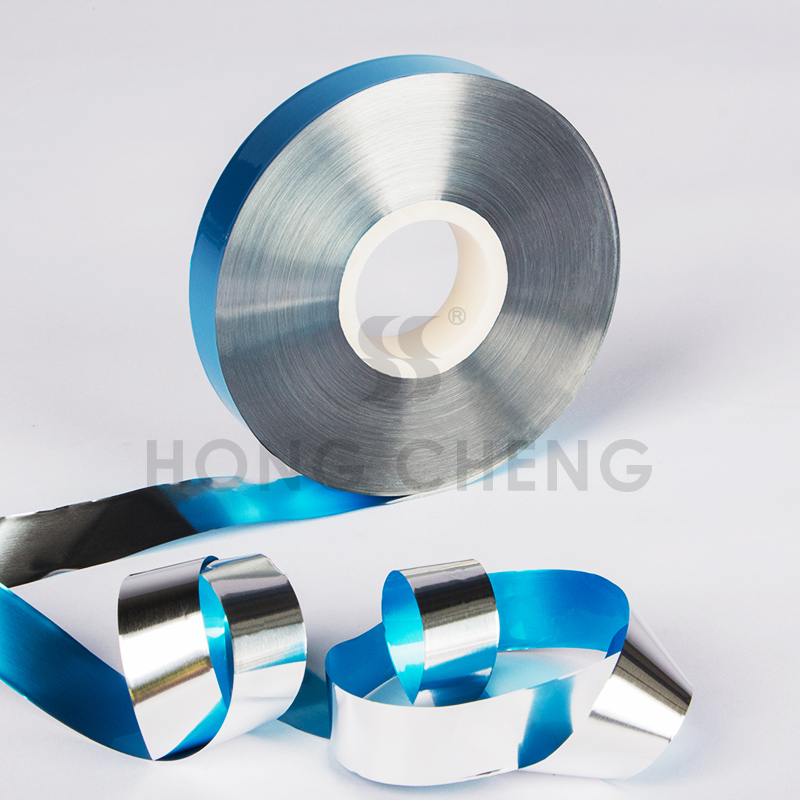
Major applications of aluminum foil composites in building insulation include: aluminum foil bubble thermal insulation, aluminum foil woven fabric composite insulation blankets, and aluminized film multi-layer reflective insulation. With a reflectivity exceeding 95% for radiant heat, these materials offer significant advantages in building energy retrofit projects in hot-summer/cold-winter and hot-summer/warm-winter climate zones.
4. Industrial Flexible Packaging: Functional Upgrades Fuel Steady Expansion
Unlike food and medical packaging — which demand the highest hygiene standards — industrial flexible packaging focuses on moisture-proof, corrosion-resistant, and anti-static packaging for chemicals, lubricants, electronic components, and lithium battery materials. Aluminum foil composites offer unmatched barrier properties in this space.
The global aluminum foil market is expected to grow from USD 26.27 billion in 2026 to USD 37.04 billion in 2034, at a CAGR of approximately 4.4%. In the industrial flexible packaging sub-segment, aluminum foil composite bags — valued for their superior gas barrier performance and customizable printing — are seeing strong demand in hazardous goods transport packaging, electronics moisture-proof packaging, and new energy battery outer packaging.
Against a backdrop of steady global consumer goods market recovery in 2025–2026, the aluminum foil composite flexible packaging industry has demonstrated strong resilience. The trend toward vertical integration — from upstream aluminum foil raw materials to downstream customized end-use packaging — is accelerating, with suppliers offering full-process production capabilities and customized services emerging as clear competitive winners.
Conclusion
Looking across the landscape, 2026 presents a broadly favorable outlook for industrial applications of aluminum foil composite materials. Cable shielding, flexible ventilation ducts, building thermal insulation, and industrial flexible packaging each show distinct growth drivers — from new energy infrastructure demand and green building policies to functional upgrade requirements in industrial manufacturing — collectively offering expansive market opportunities for the aluminum foil composite industry.
Hongcheng Technology will continue to monitor industry developments, leveraging our refined lamination processes and diverse product portfolio to deliver high-performance, customizable aluminum foil composite solutions to customers across all downstream sectors.
Data sources: QYResearch, Fortune Business Insights, Gelonghui, China Industry Research Network, and other publicly available industry research reports.
Aluminum Foil Composite Materials Driving Growth in Industrial Ventilation: 2026 Market Outlook
Is the Thicker the Aluminum-Plastic Composite Film, the Better? Break the Misconception, Scientific Selection is Key