Single-Sided or Double-Sided? How to Choose Aluminum Foil Facing for HVAC Ducts
"Our duct production line is about to switch to a new batch of foil facing material. The supplier offered both single-sided and double-sided options, with a noticeable price gap — but which one actually suits our current products better?" This is a common dilemma facing HVAC flexible duct manufacturers. Aluminum foil facing, as the outer protective layer of ventilation ducts, can streamline your production or become a costly misstep. Here is a practical guide to help you navigate the choice between single-sided and double-sided aluminum foil facing.
Understanding the structural difference
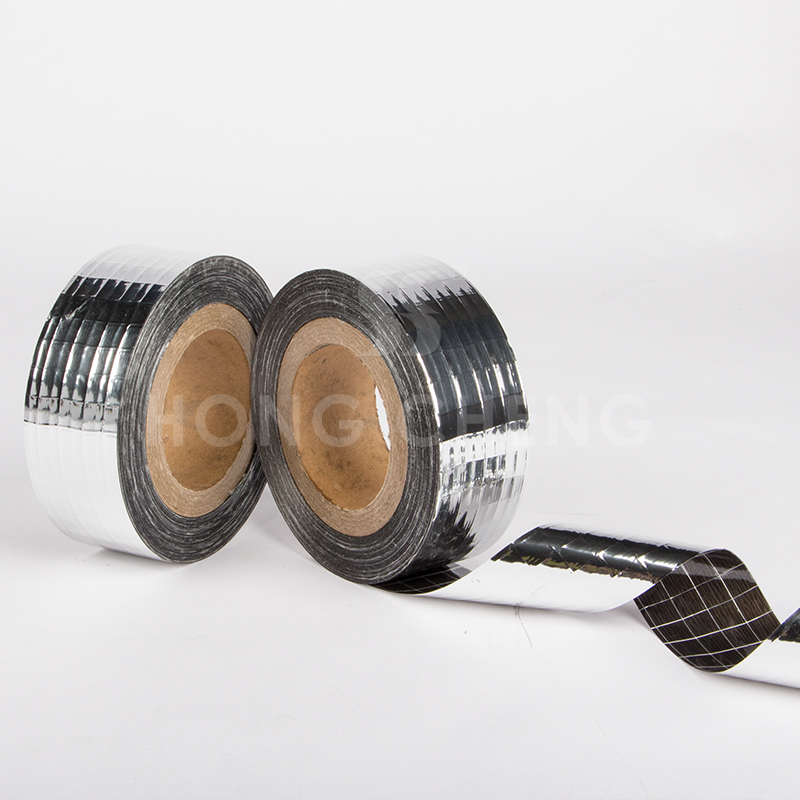
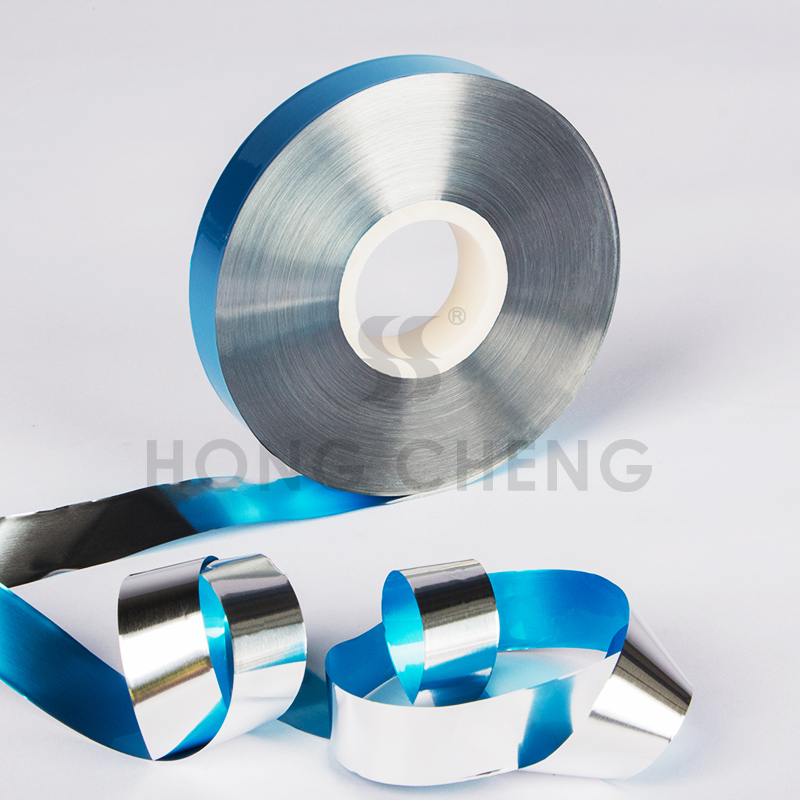
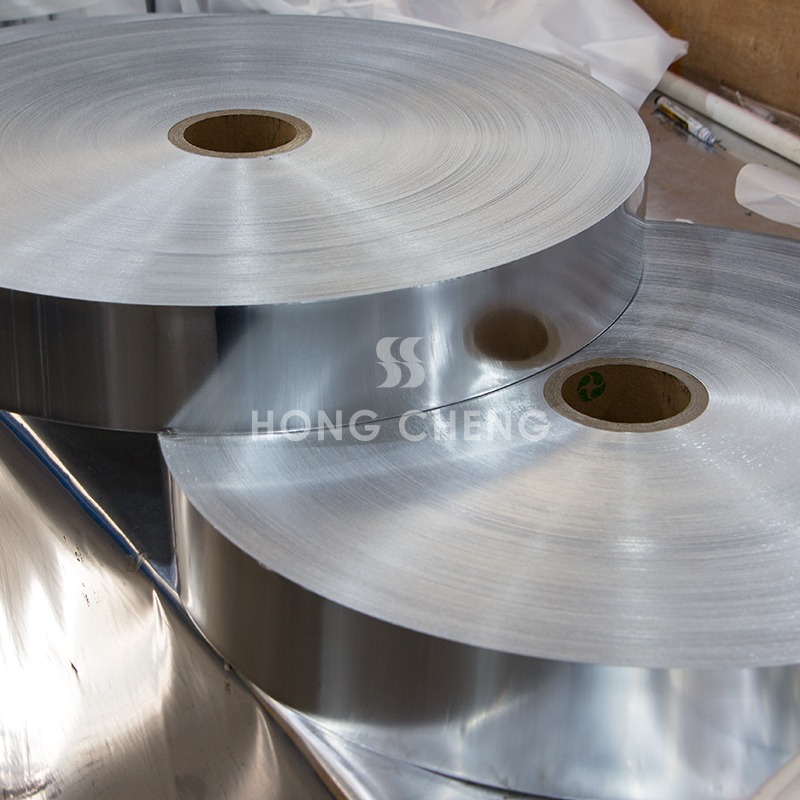
Aluminum foil facing for HVAC ducts is essentially a composite material with an aluminum foil surface layer bonded to a PE coating or PET film substrate. Based on the number of foil layers, there are two types:
Single-sided foil facing follows the structure of "aluminum foil (7-9μm) + PE coating (15-25μm) + PET substrate (12-23μm)," or a simplified two-layer "foil + PE coating" structure. The foil side faces outward, while the PE/PET side bonds to the duct insulation layer. The advantages are cost-effectiveness and good flexibility, making it suitable for small to medium-diameter residential AC ducts.
Double-sided foil facing bonds aluminum foil to both sides of the PET substrate — "foil (7μm) + PE coating + PET (12μm) + PE coating + foil (7μm)." The dual foil layers provide double the moisture vapor barrier and higher reflectivity, though material stiffness increases accordingly.
Four dimensions for selection decisions
Dimension 1: Duct diameter
Diameter is the primary factor determining facing strength requirements. Based on our experience serving HVAC customers: for residential AC ducts under 200mm in diameter, single-sided foil facing (total thickness 60-80μm) is fully adequate; for commercial ventilation ducts 200-400mm in diameter, we recommend total thickness of 90-120μm — either enhanced single-sided or double-sided foil facing; for large industrial ducts above 400mm, double-sided foil facing (total thickness 120-150μm) is preferred to ensure sufficient tensile strength and puncture resistance.
Dimension 2: Operating environment humidity
For standard indoor AC ventilation (relative humidity below 70%), single-sided foil facing with a WVTR of approximately 0.5-1.0 g/(m²·24h) is sufficient. However, for basement dehumidification ducts, swimming pool ventilation systems, or high-humidity environments, upgrading to double-sided foil facing is recommended. Double-sided foil can achieve a WVTR as low as 0.1-0.3 g/(m²·24h), effectively preventing moisture penetration that can lead to damp, moldy insulation.
Dimension 3: Fire rating requirements
Flexible ducts exported to European and North American markets typically require facing materials to pass BS 476 or ASTM E84 flame spread testing. While aluminum foil itself is non-combustible, the PE coating and PET substrate layers are the weak points in fire performance. If your target market requires fire certification, confirm with your supplier: is the PE coating flame-retardant treated? Has the PET substrate undergone fire-retardant processing? We recommend prioritizing aluminum foil + flame-retardant PET composite solutions, which perform more consistently in fire testing compared to PE coating-based alternatives.
Dimension 4: Automated production line compatibility
High-speed duct forming equipment places high demands on facing roll stiffness and flatness. Single-sided foil facing, due to its asymmetric structure, may develop slight curling during storage or transport, requiring tension adjustment on the machine. Double-sided foil facing, with its symmetrical structure, offers better flatness and is more suitable for high-speed continuous production. If your line speed exceeds 15 meters/minute, consider double-sided foil facing or request your supplier to apply pre-flattening treatment to single-sided facing.
Key reminders: three common misconceptions
Misconception 1: "Double-sided foil is always better than single-sided." While double-sided foil offers superior barrier properties and strength, it costs 30-50% more and reduces flexibility. For small-diameter residential ducts, double-sided facing can actually cause bending difficulty during installation due to excessive rigidity.
Misconception 2: "Thicker foil is always better." For HVAC duct facing, 7μm and 9μm are the mainstream foil thicknesses. Increasing from 7μm to 9μm yields only a modest WVTR improvement (approximately 15-20%) while significantly increasing material cost. Unless specific puncture resistance is required, 7μm foil meets the needs of the vast majority of duct applications.
Misconception 3: "Only checking total thickness without layer-by-layer specs." Two foil facings both labeled 100μm total thickness may differ substantially — one using 7μm foil + 18μm PE + 75μm PET, the other using 9μm foil + 15μm PE + 76μm PET. That is a nearly 30% difference in foil thickness, with real-world performance implications. Always request the supplier to provide specific thickness and material type for each layer.
With over two decades of specialization in aluminum foil composites and PE coating lamination, Hongcheng Technology supplies customized foil facing rolls to HVAC flexible duct manufacturers worldwide. Whether you produce residential AC ducts or industrial ventilation systems, we can recommend the most suitable facing solution based on your duct diameter, line speed, and target market requirements. Contact us by phone or message for one-on-one technical selection support.
Tel/WhatsApp: +86 13758223270 Email: wendy@hcdxcl.com.cn
How to Select AL/PE Waterproof Foil Laminate by Roof Type and Climate?
How to Select Aluminum Fiberglass Shielding Tape for Heat Tracing Lines?