Don’t Be Tricked! Aluminum Foil in Cables Is More Important Than You Think .3 Steps to Judge Quality!
2025-08-27
1. Core Functions of Aluminum Foil in Network Cables
In the network transmission system, network cables serve as the "bridge" for signal transmission. The internal aluminum foil, though seemingly insignificant, is a key component ensuring transmission quality, mainly undertaking three core functions:
- Shielding Interference Signals: During use, network cables are easily affected by external electromagnetic interference (EMI) and radio frequency interference (RFI). Devices such as microwave ovens, routers in homes, and motors, transformers in industrial environments all emit interference signals. Relying on the conductive properties of metals, aluminum foil forms a closed shielding layer, which reflects or absorbs external interference signals, preventing them from invading the copper core inside the network cable and ensuring undisturbed data signal transmission.
- Protecting Cable Structure: Aluminum foil is soft and has a certain toughness. When wrapped around the copper core of the network cable, it can effectively isolate moisture, oxygen, and dust in the air, preventing the copper core from rusting due to oxidation or being damaged by physical friction, thus extending the service life of the network cable. Meanwhile, aluminum foil can also enhance the overall structural stability of the network cable, avoiding misalignment of internal cables during bending and pulling.
- Stabilizing Signal Transmission: After interference signals are shielded, the attenuation rate of signals transmitted by the network cable is significantly reduced. Especially in long-distance transmission scenarios (such as wiring over 100 meters), high-quality aluminum foil can reduce signal distortion and packet loss caused by interference, ensuring stable network speed and meeting the needs of high-definition video transmission, large data download, and other scenarios with high requirements for network quality.
2. Direct Impact of Aluminum Foil Quality on Network Cable Performance
The quality of aluminum foil fundamentally determines the transmission capacity and service life of network cables, with specific impacts reflected in three aspects:
- Insufficient Thickness Leading to Shielding Failure: The thickness of aluminum foil in high-quality network cables is usually between 0.02-0.05mm. If the thickness is less than 0.01mm, the shielding layer will have "holes", and external interference signals can easily penetrate, resulting in network lag and increased delay. For example, network cables near refrigerators and air conditioners in homes, if the aluminum foil is too thin, will frequently experience video buffering and game disconnection when the appliances are working.
- Impure Material Causing Performance Attenuation: Some low-quality network cables use recycled aluminum containing impurities (such as iron and zinc) to make aluminum foil. This type of aluminum foil has low electrical conductivity, unstable shielding effect, and is prone to oxidation and blackening. After 1-2 years of use, the oxidized aluminum foil will lose its shielding function. At the same time, impurities may also accelerate the corrosion of the copper core, reducing the transmission rate of the network cable from 1000Mbps to 100Mbps, or even causing a complete network outage.
- Loose Wrapping Causing Signal Leakage: High-quality aluminum foil closely adheres to the insulating layer inside the network cable, with no wrinkles or gaps. However, low-quality aluminum foil is prone to loose wrapping and warped edges during production. At this time, the signals inside the network cable will leak from the gaps, and external interference will also intrude, causing "two-way interference". In scenarios with high requirements for signal stability, such as enterprise offices and monitoring systems, this problem may lead to data transmission errors and stuck monitoring screens, affecting normal work.
3. How to Scientifically Judge the Quality of Network Cable Aluminum Foil
Ordinary users can judge the quality of aluminum foil through the three-step method of "observation, measurement, and bending":
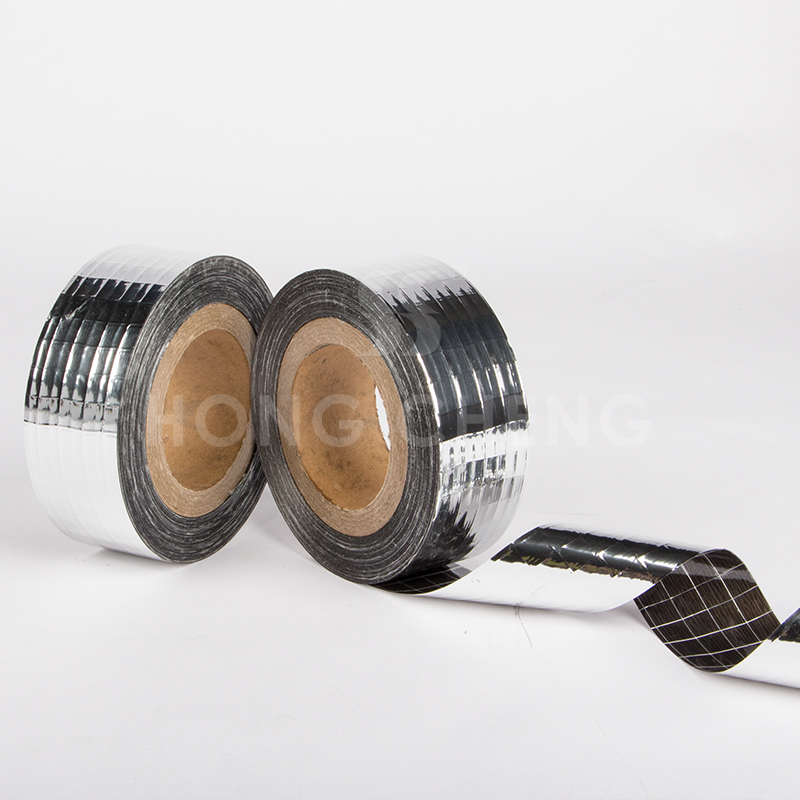
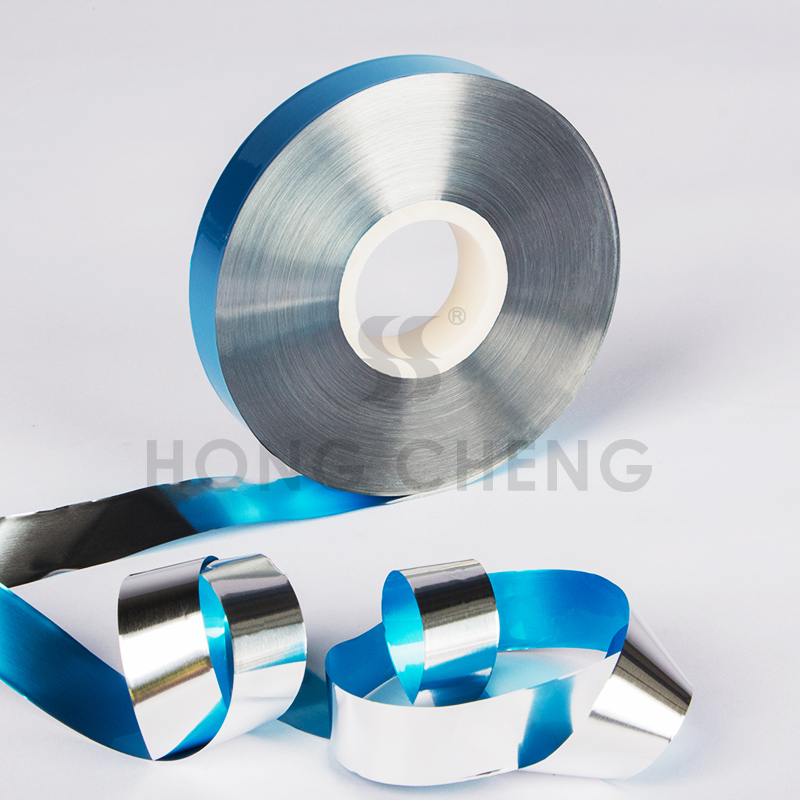
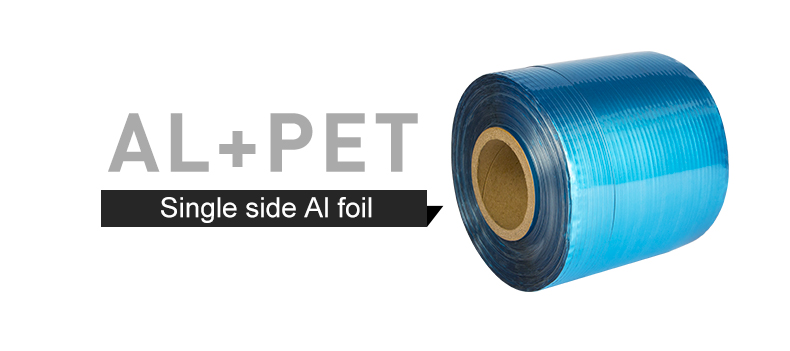
- Appearance Observation: Peel off the outer sheath of the network cable. High-quality aluminum foil has a bright and uniform surface, with no obvious scratches, oxidation spots, or color differences. Low-quality aluminum foil, on the other hand, has a dull color and may have local blackening, wrinkles, or damage. Meanwhile, high-quality aluminum foil is compounded with a thin layer of polyester film (to enhance toughness), while low-quality aluminum foil may have no polyester film or the polyester film is not closely attached to the aluminum foil.
- Thickness Measurement: Use a caliper with an accuracy of 0.01mm to measure the thickness of the aluminum foil. If the thickness is between 0.02-0.05mm, it is within the qualified range; if it is less than 0.01mm, it is a low-quality product. It should be noted that some merchants will apply a thick coating on the surface of the aluminum foil to pretend to be thick. When measuring, avoid the coating and directly measure the metal part.
- Bending Test: Bend the network cable 180° and then restore it to its original shape. High-quality aluminum foil will not crack or fall off and can still closely adhere to the cable. Low-quality aluminum foil, however, will break at the bending point and even fall off in whole pieces, exposing the internal copper core or insulating layer.
How to Determine the Thickness of Composite Aluminum Foil Bags?
How to Choose Composite Aluminum Foil for Luggage Liners