Aluminum Foil in Wall Insulation: Dual Drivers of Energy Conservation & Protection
With building energy conservation becoming a core trend in the industry, wall insulation engineering, as a key link in building energy efficiency, directly affects a building's energy consumption level, living comfort, and service life. Aluminum foil, with its excellent thermal insulation, moisture-proof, and corrosion-resistant properties, as well as its lightweight and easy-to-construct characteristics, has become a core auxiliary material in wall insulation systems. It is widely used in various construction scenarios such as residential buildings, commercial buildings, and industrial plants, providing dual protection for wall insulation projects.
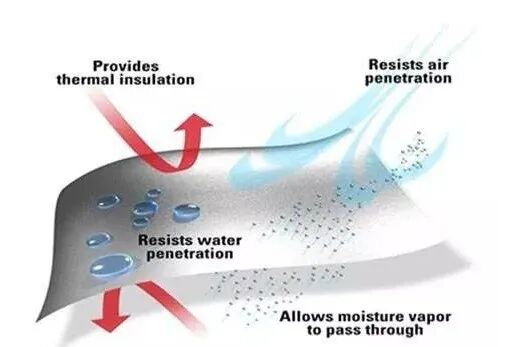
The core role of aluminum foil in wall insulation stems from its outstanding heat reflection performance. Building walls lose heat through three methods: conduction, radiation, and convection. The metallic luster surface of aluminum foil can reflect more than 90% of infrared radiant heat, effectively blocking the radiant heat transfer path. In insulation systems, aluminum foil is usually used in combination with base materials such as insulation cotton, polystyrene boards, and extruded boards to form a dual structure of "insulation + reflection". It can not only block heat conduction through the base material but also reflect indoor and outdoor radiant heat through aluminum foil, significantly improving the thermal insulation efficiency of the wall, reducing the energy consumption of air conditioning and heating equipment, and helping buildings meet energy conservation standards.
In addition to thermal insulation and energy conservation, aluminum foil can also provide reliable moisture-proof protection for walls. Building walls are prone to moisture penetration from the outside, leading to dampness, mold, and aging of the insulation layer, which in turn loses insulation performance and even causes safety hazards such as wall cracking and falling off. Aluminum foil has strong airtightness and watertightness, and can be embedded in the wall insulation structure as a moisture-proof and vapor barrier layer. It effectively blocks outdoor moisture and rainwater from invading the insulation layer, and at the same time prevents indoor water vapor from penetrating into the wall, maintaining the dryness and stability of the insulation system and extending the service life of the wall and insulation layer.
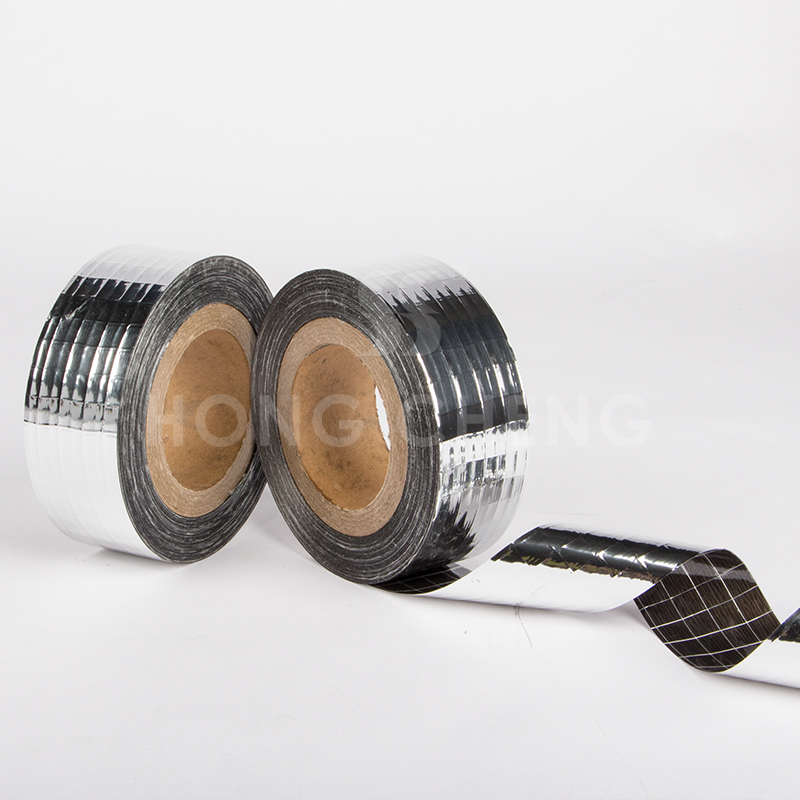
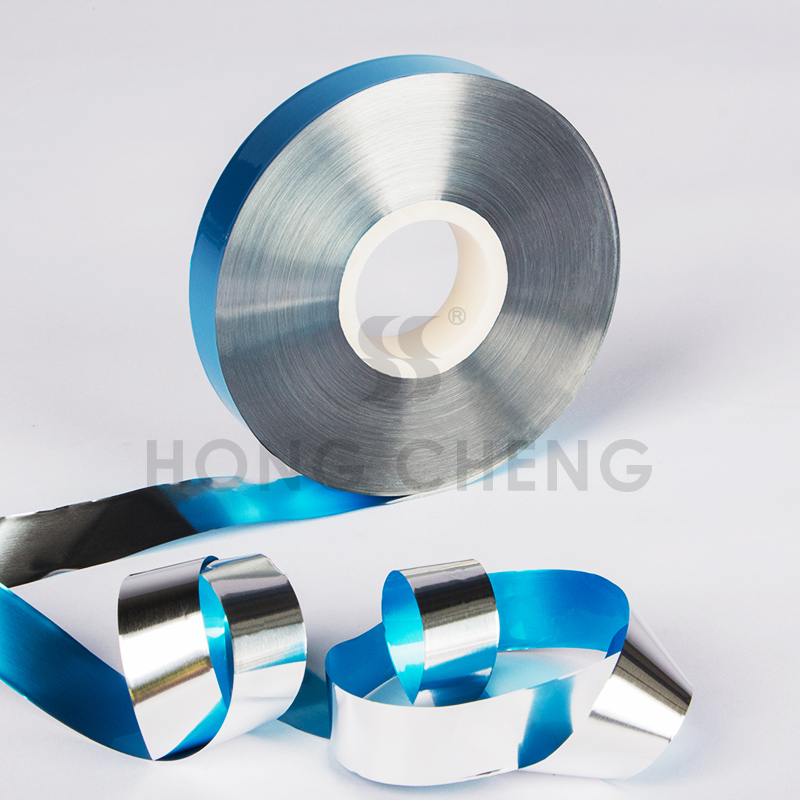
In practical engineering applications, the form and laying method of aluminum foil need to be flexibly adjusted according to the wall type and insulation requirements. Common application forms include aluminum foil composite insulation boards, aluminum foil rolls, aluminum foil-faced insulation felt, etc., which are suitable for external wall external insulation, external wall internal insulation systems, as well as insulation projects for partition walls, roofs and other parts. During construction, aluminum foil must be laid flat and spliced tightly to avoid damage and wrinkles, ensuring the integrity of thermal insulation and moisture-proof effects. Compared with traditional moisture-proof and thermal insulation materials, aluminum foil is lightweight and easy to construct, which can greatly shorten the construction period. It also has the advantages of corrosion resistance and non-aging, with outstanding comprehensive cost performance.
With the in-depth advancement of green building concepts, the application scenarios of aluminum foil in wall insulation engineering continue to expand. In high-end projects such as low-carbon buildings and passive houses, aluminum foil has become an important material to achieve low-energy consumption goals of buildings due to its high efficiency, energy conservation, environmental protection and harmlessness. In the future, with the continuous upgrading of aluminum foil composite technology, aluminum foil products with stronger thermal insulation performance, higher durability and environmental protection properties will be gradually popularized, further promoting the development of wall insulation engineering towards high efficiency, greenization and long-term effectiveness, and providing strong support for the construction industry to achieve the "dual carbon" goals.
How to Choose Floor Heating Reflective Film? 5 Key Points to Avoid Pitfalls, Double Energy Saving and Comfort!
Shielding Layer of High-Voltage Wire Harness: Core Guarantee for Safety and Performance of New Energy Vehicles