AL/PE Foil Laminate for Industrial Packaging: Barrier Performance Explained and Sourcing Guide

As global manufacturing exports intensify in 2026, the performance of packaging materials has become a direct factor in supply chain competitiveness. Whether shipping automotive components, precision electronics, metal coils, or chemical materials, ensuring that products arrive at their destination in perfect condition is no longer optional — it's expected.
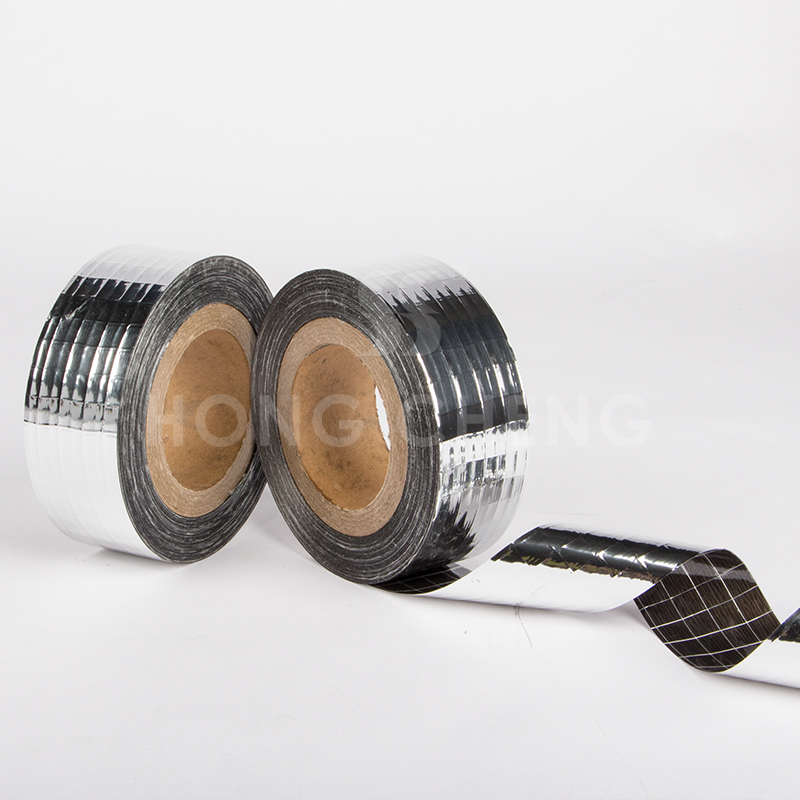
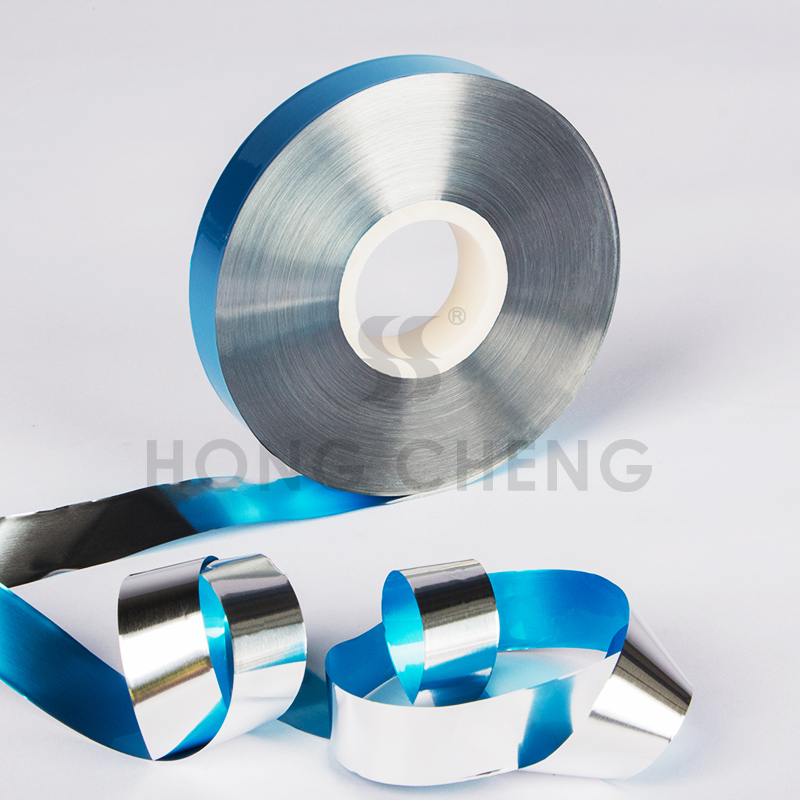
Aluminum foil composite films have emerged as the go-to solution for high-performance industrial packaging, offering exceptional moisture barrier, oxygen barrier, thermal insulation, and heat-sealable properties. This article explores the core application logic of AL/PE laminated foil in industrial packaging, with a practical sourcing guide for procurement professionals.
Why Choose Aluminum Foil Composite for Industrial Packaging?
Conventional packaging materials such as plain PE film or kraft paper often fall short in demanding industrial environments:
- High WVTR (Water Vapor Transmission Rate): Single-layer PE film allows significant moisture ingress at elevated temperatures and humidity, failing to protect precision parts during long-term storage or sea freight.
- No Oxygen Barrier: Metal components exposed to oxygen during transit can oxidize, leading to corrosion defects at the point of delivery.
- No Radiant Heat Protection: In container shipping, internal temperatures can reach 60–80°C. Standard film materials provide no effective thermal barrier, accelerating material degradation.
Aluminum foil composite films address all three issues through a multi-layer laminated architecture: the aluminum foil layer delivers near-zero WVTR, the PE layer enables heat sealing, and the PET layer provides mechanical strength and puncture resistance.
Common Aluminum Foil Composite Structures for Industrial Packaging
① AL/PE (Aluminum Foil + Polyethylene)
- Simple structure with competitive cost; suitable for lightweight industrial goods with short-term moisture protection needs.
- Directly heat-sealable; easy to process into bags or liners.
- Typical foil thickness: 6.5–9 μm.
- Applications: hardware accessories, appliance component liners.
② PET/AL/PE (Polyester / Aluminum Foil / Polyethylene)
- The outer PET layer significantly improves mechanical strength, abrasion resistance, and stiffness.
- Ideal for heavy industrial parts and steel products subject to physical wear during handling.
- Typical foil thickness: 9 μm; PE thickness: 40–60 μm.
- Applications: automotive stampings, castings, forged components for export.
③ AL/PE/AL (Double-sided Aluminum Foil Structure)
- Aluminum foil on both sides greatly enhances radiant heat reflection, making it suitable for high-temperature shipping environments (Middle East, Southeast Asia).
- Higher cost; typically reserved for high-value products.
- Applications: aerospace components, precision instrument packaging.
④ KPET/AL/PE (Metallized PET / Aluminum Foil / Polyethylene)
- The outer metallized film layer balances barrier performance with weight reduction.
- Cost falls between full foil and standard PE film.
- Applications: export packaging for electronics, anti-static moisture barrier bags.
How Foil Thickness Affects Barrier Performance
Foil thickness is the single most influential factor in barrier performance. Common thicknesses used in industrial packaging and their corresponding WVTR levels are as follows:
| Foil Thickness | Typical WVTR (g/m²·24h) | Suitable Use Case |
|---|---|---|
| 6 μm | ≤0.5 | Short-term storage, lightweight goods |
| 9 μm | ≤0.2 | Export shipment, 6+ month storage |
| 12 μm | ≤0.05 | Precision parts, extreme environment |
An important note: foil thickness must be matched with lamination bond strength. If peel strength falls below 1.5 N/15mm, delamination can occur during heat sealing or opening, compromising the barrier entirely. Always request lamination bond test reports alongside thickness specifications.
Sourcing Checklist for Export Industrial Packaging
When evaluating AL/PE foil laminate suppliers for export-oriented industrial packaging, verify the following parameters during the inquiry process:
- Foil Thickness and Pinhole Rate: 9 μm+ foil with pinhole levels compliant with EN 546 or equivalent standards.
- Lamination Bond Strength (Peel Strength): Typically ≥1.5 N/15mm (dry lamination) or ≥1.0 N/15mm (extrusion lamination).
- Heat Seal Strength: For three-side seal or gusseted bag formats, ≥30 N/15mm is typically required.
- WVTR Test Report: Verified data at 40°C/90% RH conditions.
- Custom Width and Slitting Precision: Most industrial packaging applications require custom roll widths; tolerance should be ≤±1 mm.
- Regulatory Compliance: For food-grade component packaging or medical device packaging, FDA, RoHS, and relevant certifications should be requested.
- Material Traceability: Foil raw material should be traceable to verified aluminum sources; excessive recycled aluminum content can compromise barrier performance.
2026 Market Trends: Customization and Green Compliance
Two dominant trends are reshaping the industrial packaging materials market in 2026:
Trend 1: Growing Demand for Custom Solutions As new energy vehicle (NEV) component exports expand globally, the packaging requirements for irregular, oversized, and precision parts are becoming increasingly varied. Buyers are placing greater value on suppliers who can deliver custom roll widths (600–2000 mm), custom thickness combinations, and low-MOQ sample runs with rapid turnaround.
Trend 2: Green Packaging Regulation Driving Innovation The EU Packaging Regulation (EU 2025/0001) mandates that all industrial packaging materials be recyclable by 2030. This is pushing the aluminum foil composite film industry toward structures that allow layer-by-layer separation and recovery. Leading manufacturers are already developing dry-laminated foil films that can be separated into foil and PE layers under professional recycling equipment, meeting both barrier performance requirements and environmental compliance targets.
Hongcheng Technology is a professional aluminum foil composite material manufacturer based in Hangzhou, China, offering AL/PE, PET/AL/PE, double-sided foil, and other structures for industrial packaging applications. Custom widths, thicknesses, and laminate configurations are available, with full test report documentation. Contact us for product specifications or samples.
Hangzhou Hongcheng Technology at the 37th China Refrigeration Expo
Reflective Foil Insulation Laminates for Export: How Green Building Standards Are Reshaping Material Requirements in 2026