Aluminum Foil PET Decorative Laminate in Wood Door Facing: Application and Selection Guide
The wood door industry is undergoing a surface treatment revolution. From traditional PU lacquer and PVC lamination to the increasingly popular metallic finish, consumer preferences are shifting from "warm wood tones" toward "multifaceted textures." Among the emerging options, aluminum foil PET decorative laminates and metalized decorative facing rolls stand out for their distinctive metallic luster, stable processing performance, and competitive pricing, making them a rising star in wood door surface decoration. This article provides a systematic reference for procurement and R&D professionals at wood door manufacturers, covering material structure, application advantages, and selection criteria.
Structure and Classification of Aluminum Foil PET Decorative Laminates
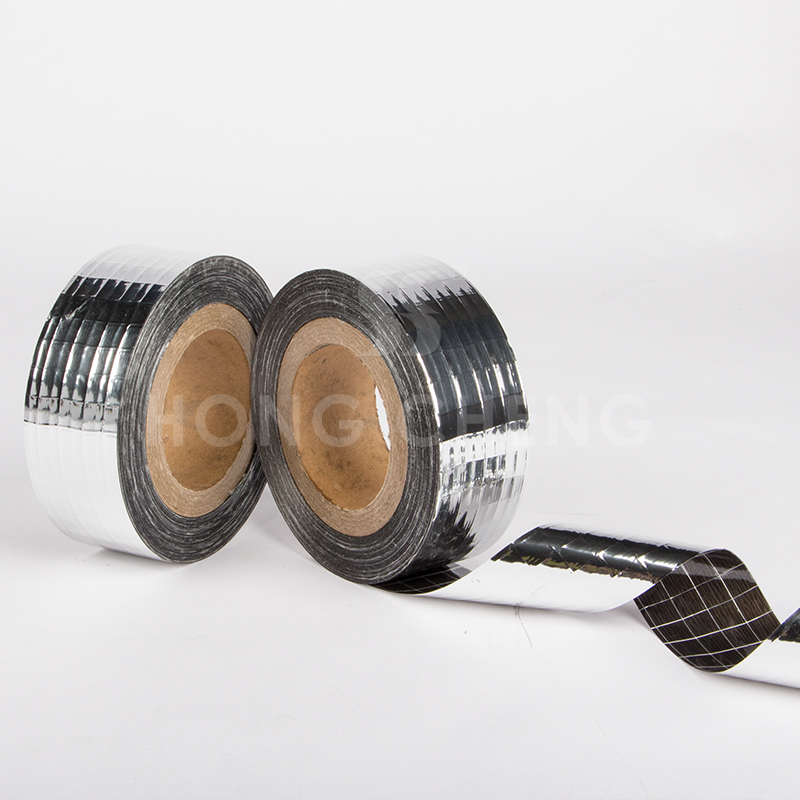
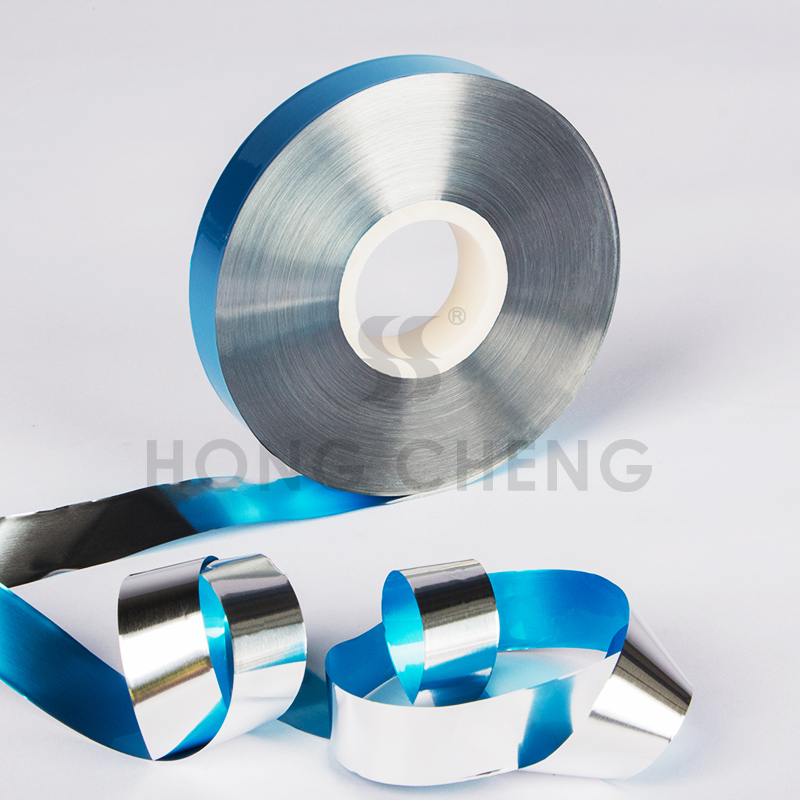
An aluminum foil PET decorative laminate is produced by bonding aluminum foil to a PET polyester film through a lamination process, followed by a surface coating treatment. The typical construction is a four-layer composite: aluminum foil layer + adhesive layer + PET layer + surface coating. The foil layer provides metallic brilliance and opacity, the PET layer contributes mechanical strength and dimensional stability, and the surface coating can be formulated to deliver various visual effects including wood grain, stone texture, solid metallic colors, and brushed metal finishes.
Based on the form of the aluminum layer, these materials fall into two categories. The first is aluminum foil PET laminates, which use 6–9μm solid foil bonded to PET. These deliver intense metallic appearance and excellent light blocking, suited for premium wood door lines. The second is metalized decorative facing rolls, where a 30–50nm aluminum layer is vacuum-deposited onto PET film. These are thinner and more cost-effective, targeting mid-range and project-grade wood doors.
Why Wood Door Manufacturers Choose Aluminum Foil PET Laminates
Compared with conventional PVC lamination and PU lacquer, aluminum foil PET decorative laminates offer several compelling advantages for wood door applications.
First, irreplaceable metallic aesthetics. The natural metallic luster of aluminum foil cannot be replicated by PVC films or lacquer coatings. Particularly in modern minimalist and industrial-style wood door designs, metallic surface finishes have become a signature visual element. While metalized films offer slightly lower brilliance than solid foil, specialized coating treatments can produce a softer, diffused metallic effect that many designers find equally appealing.
Second, dramatic production efficiency gains. Lacquer processes require multiple primer and topcoat spray-and-cure cycles, with a single door's surface treatment taking 2–4 hours. Aluminum foil PET laminates, by contrast, are applied via hot-press or cold-lamination in just 3–5 minutes per cycle — a productivity improvement of an order of magnitude, especially valuable for large-volume project orders.
Third, superior environmental performance. Lacquer processes involve significant organic solvent emissions, and VOC abatement systems are costly. Aluminum foil PET laminates generate virtually zero solvent emissions during lamination and application, aligning with the home furnishing industry's green manufacturing transition. Premium variants now use solvent-free lamination processes, achieving zero-VOC production from start to finish.
Fourth, durable weather resistance. The PET surface layer provides excellent UV and oxidation resistance. Under normal service conditions, color stability lasts 5–8 years without fading or yellowing — far outperforming PVC laminates, which typically show degradation within 2–3 years. In humid environments, the foil layer's moisture barrier also protects the wood door substrate from water vapor penetration.
Key Selection Parameters
When sourcing aluminum foil PET decorative laminates, wood door manufacturers should pay close attention to the following technical specifications.
Foil Thickness: The two most common specifications are 7μm and 9μm. The 9μm foil offers better opacity and rigidity, ideal for flat door panels; the 7μm foil is more flexible, suitable for doors with shallow relief profiles. Note that foil below 6μm tends to develop pinholes, compromising both decorative quality and barrier performance.
PET Thickness: The standard range is 12–23μm. A 12–15μm PET is preferred for curved surface applications requiring flexibility, while 19–23μm PET provides higher rigidity and flatness for flat panel doors.
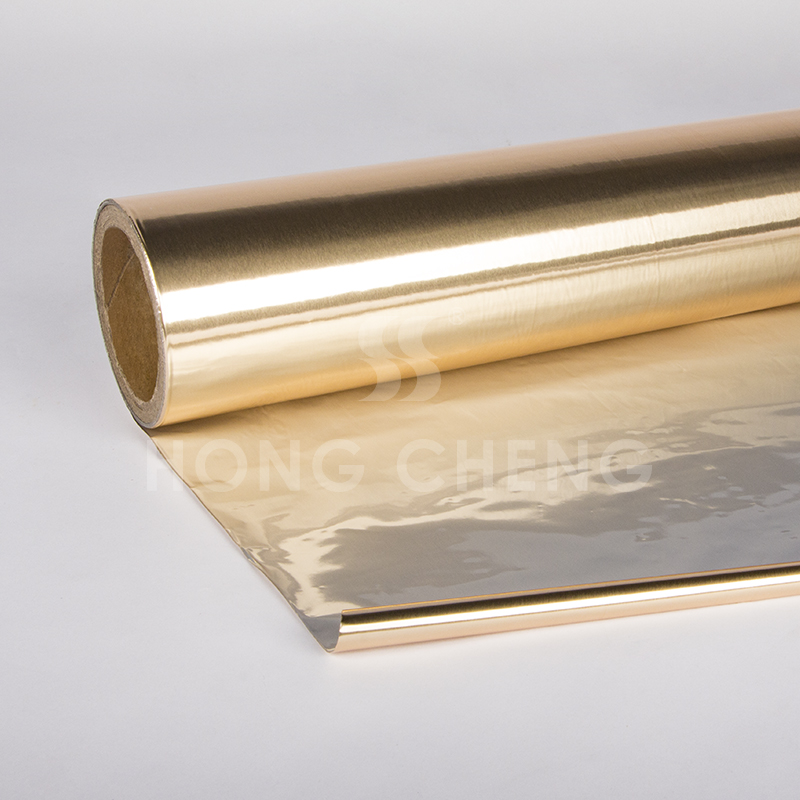
Surface Coating Type: This is the decisive factor for the final decorative effect. Clear coatings preserve the foil's natural silver appearance; tinted coatings can be formulated in gold, bronze, gunmetal grey, and other shades; wood-grain transfer coatings overlay a timber pattern on the metallic base, achieving a "metal plus wood" dual texture. Procurement teams should specify the coating solution based on product design requirements.
Lamination Width and Roll Specifications: Standard widths are 1000mm and 1250mm, with custom widths available. Roll lengths typically range from 500 to 2000 meters. For high-volume procurement, large-diameter rolls are recommended to minimize changeover downtime.
Metalized Facing Rolls: The Economical Choice for Mid-Range Doors
For price-sensitive project doors and mid-range market segments, metalized decorative facing rolls offer a more cost-effective solution. The core process involves vacuum deposition of a nanoscale aluminum layer onto PET film, eliminating the cost of solid foil raw material and reducing overall material costs by approximately 30–40% compared to foil PET laminates.
Metalized facing rolls do exhibit somewhat lower metallic brilliance and opacity than foil composite structures. However, post-treatments such as matte coatings and brushed-finish coatings can effectively narrow this gap, delivering a more subdued, refined metallic effect that aligns perfectly with the "quiet luxury" aesthetic currently trending in interior design. Additionally, the overall thinner profile of metalized films (typically 25–50μm) results in flatter door surfaces after lamination, avoiding noticeable thickness steps at edge joints.
Industry Trends and Procurement Recommendations
From the market perspective, the penetration rate of aluminum foil PET decorative laminates in the wood door industry continues to climb year over year. Younger consumer demographics show growing preference for metallic-finish home products, while wood door manufacturers face mounting regulatory pressure to transition from lacquer to lamination processes. Industry research indicates that domestically, the share of wood door products featuring metallic surface finishes rose from under 8% in 2020 to approximately 18% in 2025, with projections exceeding 25% by 2027.
For procurement professionals evaluating aluminum foil PET decorative laminate suppliers, three dimensions warrant particular scrutiny. First, raw material traceability — foil quality directly determines the uniformity and consistency of metallic appearance across production batches. Second, lamination process stability — thickness tolerances should be maintained within ±5%. Third, rapid sampling and color-matching capability — the wood door industry's product cycles are short, and a supplier's responsiveness directly impacts new product launch timing.
Tel/WhatsApp: +86 13758223270 Email: wendy@hcdxcl.com.cn
Export Equipment Vacuum Packaging: How Aluminum Foil Woven Fabric Laminate Protects Heavy Machinery on Long-Haul Sea Routes
VMPET Duct Facing: Technical Evolution and Market Trends in HVAC Flexible Duct Jacketing