Coaxial & Control Cable Shielding Selection: Aluminum Mylar Tape vs AL/PET Shielding Tape Comparison
In cable manufacturing, coaxial cables and control cables impose stringent requirements on electromagnetic shielding performance. The choice of shielding material directly affects signal transmission quality, interference resistance, and overall product cost. Currently, the two mainstream shielding materials in the industry are aluminum mylar tape and AL/PET shielding tape. While they share similar composite structures, critical differences exist in performance and application suitability. This article provides a systematic comparison from the perspectives of material structure, shielding effectiveness, and process compatibility, helping cable procurement professionals establish a clear selection framework.
1. Material Structure Analysis
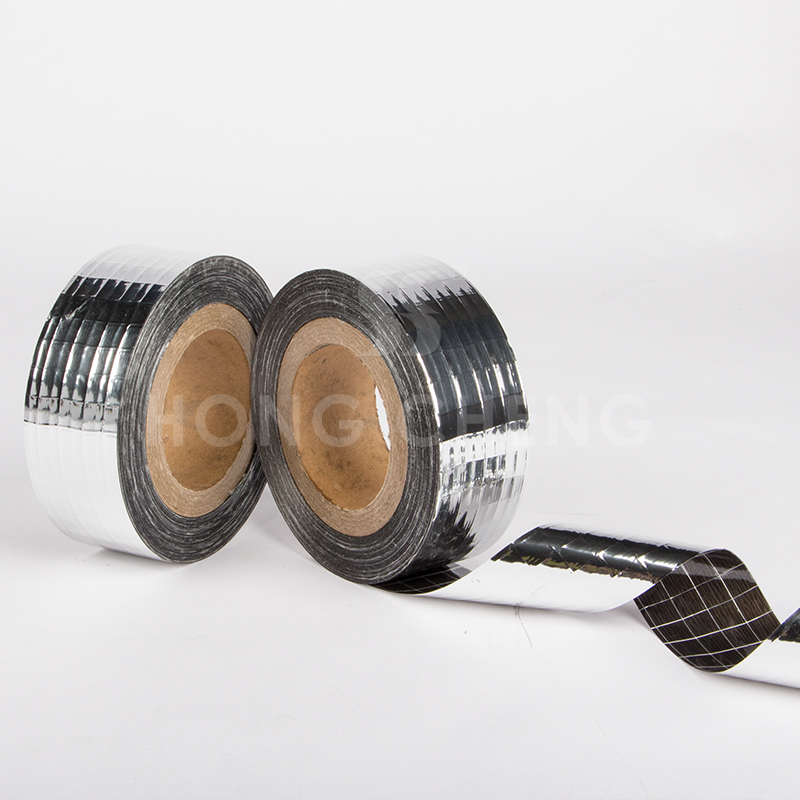
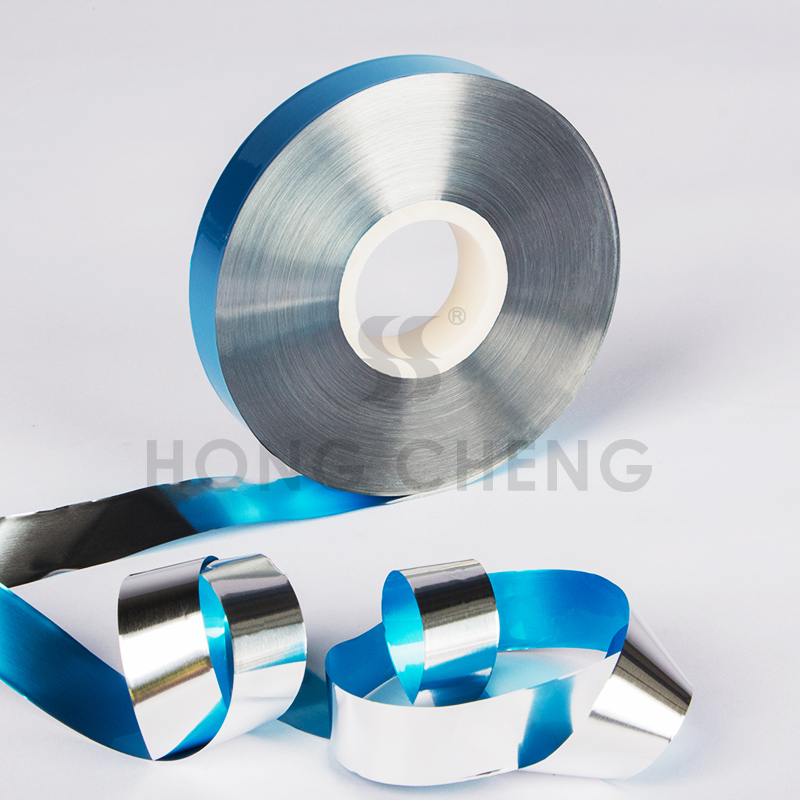
Aluminum mylar tape is a two-layer composite of aluminum foil and polyester film (Mylar/PET). The aluminum foil layer is typically 9μm or 7μm thick, while the PET layer ranges from 12μm to 25μm. The aluminum foil provides the conductive shielding layer, and the PET serves as insulation, reinforcement, and support. The term "aluminum mylar tape" has become a widely used procurement term in the domestic cable industry.
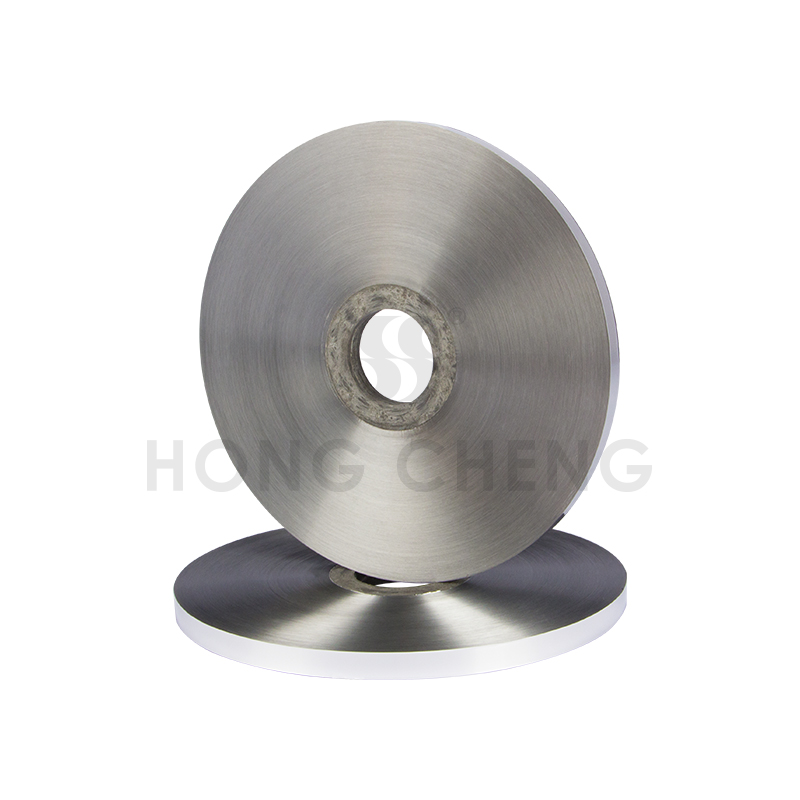
AL/PET shielding tape belongs to the same aluminum foil-polyester composite system but emphasizes explicit material layer identification — A for Aluminum, PET for polyester film. In industry convention, AL/PET shielding tape typically refers to a product line with more comprehensive specifications and stricter quality control, covering various aluminum foil thicknesses, PET thicknesses, and lamination processes.
The core distinction lies in emphasis: aluminum mylar tape describes the composite form of "aluminum foil + Mylar," while AL/PET shielding tape focuses on the complete expression of the material specification system, enabling precise selection by procurement teams based on specific parameters.
2. Shielding Effectiveness Comparison
Shielding Effectiveness (SE) is the core metric for evaluating shielding material performance, primarily determined by aluminum foil thickness and continuity.
| Parameter | Aluminum Mylar Tape | AL/PET Shielding Tape |
|---|---|---|
| Shielding Frequency | 1MHz–1GHz | 1MHz–3GHz |
| Typical SE | 60–80dB | 65–90dB |
| Al Foil Thickness | 7μm/9μm | 6μm–25μm available |
| PET Thickness | 12μm–25μm | 12μm–50μm available |
| Cable Application | Standard coaxial, control cables | High-frequency coaxial, precision control cables |
For standard coaxial cables and industrial control cables operating below 1GHz, aluminum mylar tape provides sufficient shielding effectiveness. For RF coaxial cables and precision instrument control cables in higher frequency bands (above 1GHz), AL/PET shielding tape delivers superior performance through thicker aluminum foil layers and more consistent lamination processes.
3. Process Compatibility
Longitudinal wrapping is the most common processing method for coaxial cable shielding. Both aluminum mylar tape and AL/PET shielding tape are compatible, but key differences merit attention:
- Lamination Strength: AL/PET shielding tape typically employs higher-standard lamination processes with more consistent interlayer peel strength, reducing the risk of delamination and wrinkling during longitudinal wrapping.
- Overlap Rate: Coaxial cable shielding requires a minimum overlap rate of 25%. Aluminum mylar tape performs stably at standard overlap rates, while AL/PET shielding tape shows advantages at higher overlap rates (30%+), with edges less prone to lifting.
- Spiral Wrapping: Control cables sometimes use spiral wrapping. Aluminum mylar tape offers good flexibility for this process, while thicker AL/PET shielding tape specifications require attention to minimum bend radius.
4. Selection Recommendations
Based on cable type and application, the following framework is recommended:
- Standard RF Coaxial Cables (RG Series): 9μm aluminum mylar tape meets shielding requirements with clear cost advantages.
- High-Frequency Coaxial Cables (Semi-Rigid/Semi-Flexible): AL/PET shielding tape with 12μm+ aluminum foil ensures high-frequency shielding effectiveness.
- Industrial Control Cables (Multi-Core Shielded): Select based on shielding method (overall/individual pair). For individual pair shielding, 7μm aluminum mylar tape suffices; for overall shielding, AL/PET shielding tape with 9μm+ is recommended.
- Aerospace and Military Cables: AL/PET shielding tape with special processing is required, with temperature resistance and flame retardancy meeting MIL standards.
5. Procurement Focus Areas
Beyond aluminum foil and PET thickness, procurement professionals should also evaluate:
- Aluminum Purity: Quality shielding tape should use aluminum foil with ≥99.5% purity. Lower purity aluminum has reduced conductivity, compromising shielding effectiveness.
- Surface Quality: The aluminum foil surface should be free of pinholes and oxidation spots; the PET surface should be flat without bubbles. These defects cause localized shielding failures.
- Lamination Uniformity: Thickness variation across the entire roll should be controlled within ±1μm to prevent inconsistent tension during longitudinal wrapping.
- Supply Stability: As a critical auxiliary material for continuous cable production, supplier capacity and delivery reliability are essential considerations.
6. Industry Development Trends
With the continued expansion of 5G base station infrastructure, large-scale IoT device deployment, and increasing electrification of new energy vehicles, shielding material demand for coaxial and control cables shows two trends. First, higher frequencies demand better high-frequency shielding performance from shielding tapes. Second, lightweight requirements drive growing demand for thin-profile aluminum foil composite shielding films. This pushes shielding tape manufacturers to continuously optimize lamination processes, balancing thinner aluminum foil with higher shielding effectiveness.
Conclusion
Aluminum mylar tape and AL/PET shielding tape each have their optimal applications. The key to selection lies in matching cable operating frequency, shielding requirements, and cost budget. For standard frequency bands and cost-sensitive applications, aluminum mylar tape is a proven, reliable choice. For high-frequency, high-performance requirements, the AL/PET shielding tape specification system is more comprehensive. Procurement teams should evaluate suppliers across dimensions including aluminum purity, lamination uniformity, and supply stability to ensure shielding materials consistently meet cable production demands.
📞 Phone/WeChat: +86 13758223270 ✉️ Email: wendy@hcdxcl.com.cn
VMPET Duct Facing: Technical Evolution and Market Trends in HVAC Flexible Duct Jacketing
PET/AL/PE Foil Laminate for Tea Packaging: Barrier Performance and Freshness Preservation Guide