Aluminum Mylar Tape vs AL/PET Shielding Tape: A Selection Guide for EV Wiring Harness Applications
As the global adoption of electric vehicles (EVs) accelerates, the complexity of onboard electrical systems has grown substantially. High-voltage powertrains, battery management systems, and advanced driver-assistance platforms all generate significant electromagnetic interference (EMI), placing new demands on wiring harness shielding materials. Among the most widely used solutions are aluminum mylar tape and AL/PET laminated shielding tape — two closely related but distinct product categories that are now central to EV wire harness design.
Understanding Aluminum Mylar Tape
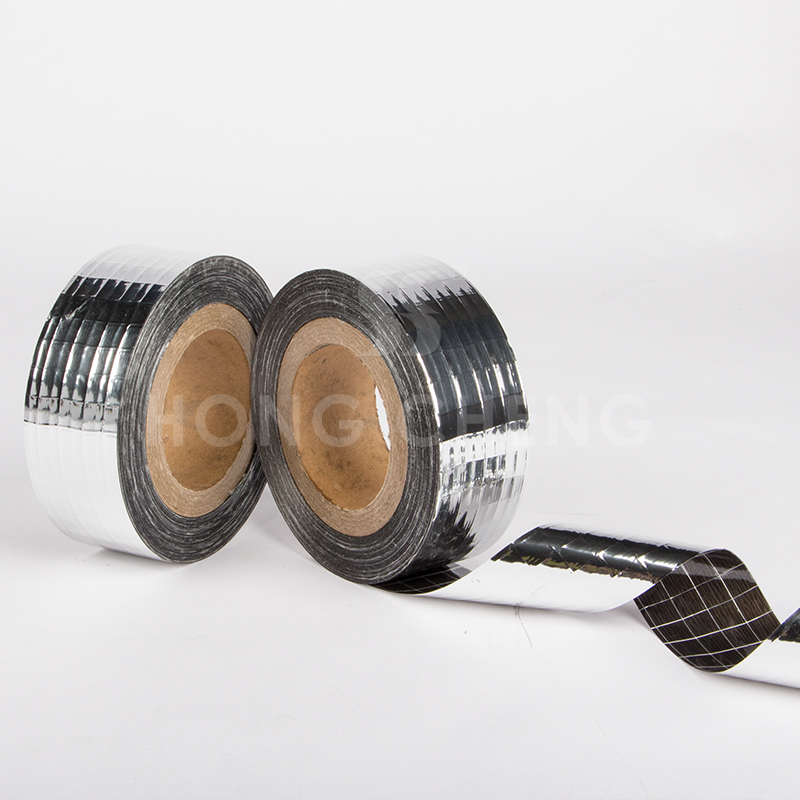
The term "Mylar" originates from DuPont's trademarked biaxially oriented polyester (BOPET) film, though it has become a general industry term for PET film-based composites. Aluminum mylar tape is produced by laminating aluminum foil (typically 6–9 microns) to a PET film substrate (12–25 microns) using dry-bond or thermal lamination processes.
Key performance characteristics include:
- High shielding effectiveness: The aluminum layer provides strong reflection and absorption of high-frequency electromagnetic fields;
- Flexibility and conformability: The PET backing allows the tape to wrap tightly around complex harness geometries, including oval and irregular cross-sections;
- Wide operating temperature range: Standard constructions perform reliably from -40°C to +150°C, with specialty grades extending to +175°C;
- Lightweight profile: Thin-gauge aluminum foil composites support vehicle lightweighting goals without compromising shield integrity.
Common specifications include foil gauges of 6, 7, or 9 microns combined with 12, 15, or 25-micron PET films. The tape is slit to customer-specified widths for longitudinal wrapping or spiral winding in data cables, audio/video cables, and automotive low-voltage harnesses.
AL/PET Shielding Tape: How It Differs
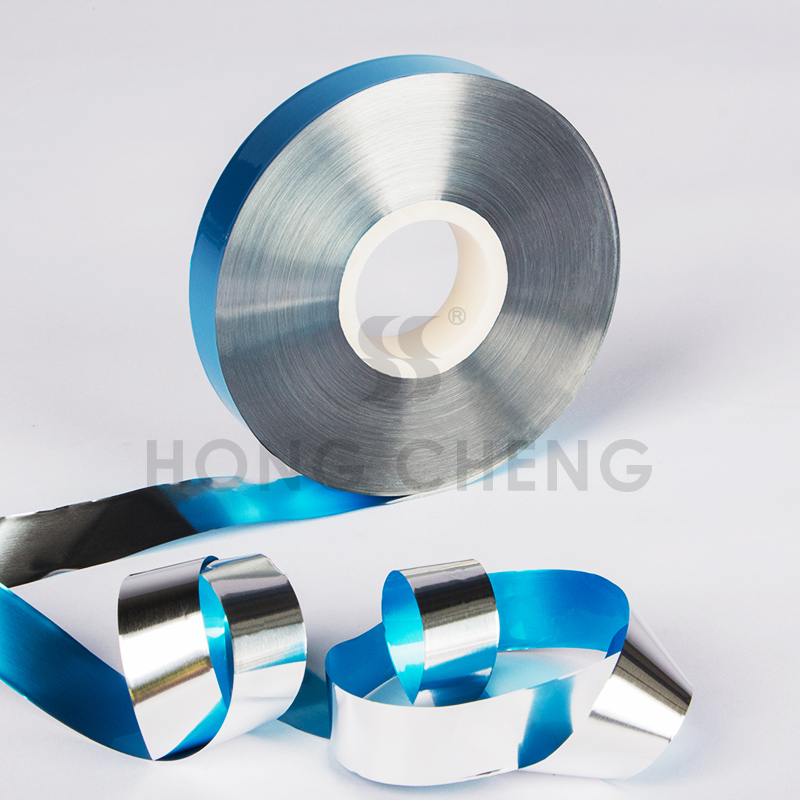
AL/PET shielding tape belongs to the same fundamental material category as aluminum mylar tape — both consist of aluminum foil laminated to PET film. The designation "AL/PET" is a standardized structural description emphasizing the aluminum (AL) and polyester (PET) composition, as commonly used in technical specifications and procurement documents.
The key distinctions lie in construction details and performance enhancements:
| Parameter | Aluminum Mylar Tape (Common Name) | AL/PET Shielding Tape (Technical Name) |
|---|---|---|
| Naming origin | Industry colloquialism from "Mylar" trademark | Structural material descriptor |
| Foil surface treatment | Standard bright or matte aluminum | May include conductive adhesive, embossing, or surface activation |
| Typical use | Consumer cables, low-voltage automotive harnesses | High-voltage EV harnesses, industrial control cables |
| Conductivity requirement | Used with copper braid drain wire | Selected grades require low contact resistance on foil face |
In practice, the choice between the two often comes down to whether the shielding system requires electrical continuity through the foil. When the foil face must mate with a connector or grounding clamp, a construction with the aluminum face outward or with a conductive pressure-sensitive adhesive is required.
New Challenges in EV Wiring Harness Shielding
The transition to 800V EV platforms has introduced fundamentally new shielding requirements. Key challenges shaping material selection in 2026 include:
1. Extended frequency requirements High-voltage inverters operating at switching frequencies above 100 kHz generate EMI in frequency ranges where conventional aluminum foil shielding effectiveness must be carefully validated. Thicker foil constructions and optimized lamination uniformity are critical.
2. Severe thermal cycling Underhood environments expose harness materials to temperature swings from -40°C to +175°C. Shielding tapes must pass thermal shock testing per LV215 and similar OEM standards without delamination or foil cracking.
3. Ongoing lightweighting pressure Every 100 kg reduction in vehicle weight translates to an estimated 6–10 km of additional range. This drives continuous pressure to reduce material gauge while maintaining shielding performance — a balance that requires close collaboration between material suppliers and harness designers.
4. Supply chain localization Major OEMs are accelerating domestic sourcing strategies. Chinese manufacturers of AL/PET shielding foil are benefiting from this structural shift, capturing volume previously held by imported materials.
Supplier Selection Criteria
When evaluating aluminum mylar tape and AL/PET shielding foil suppliers, the following technical and commercial criteria are recommended:
- Foil thickness consistency: Batch-to-batch variation should be controlled within ±0.5 μm to ensure uniform shielding performance across production runs;
- Lamination bond strength: Peel strength between the foil and PET layers should meet or exceed 1.5 N/15 mm to prevent delamination in service;
- Slitting accuracy: Width tolerances of ±0.3 mm are essential for automated harness wrapping equipment to feed reliably;
- Supply stability: Suppliers with integrated raw material sourcing — including primary aluminum foil and PET film — offer more consistent delivery schedules and quality;
- Customization capability: The ability to provide conductive adhesive laminations, single- or double-sided heat-seal structures, and custom foil orientations is increasingly valued by advanced harness manufacturers.
Hongcheng Technology's Aluminum Foil Composite Capabilities
Hangzhou Hongcheng Technology Co., Ltd. is a specialized manufacturer of aluminum foil composite materials and PE laminated composite materials, with established supply capabilities across the cable shielding sector:
- Foil gauge range from 6 μm to 50 μm, laminated with PET, PE, PP, and other substrates;
- Custom slit widths available down to 10 mm for precision harness wrapping applications;
- Both dry-bond and thermal lamination production lines for application-specific constructions;
- Foil-face-out and PET-face-out structures available to meet diverse grounding configurations;
- Compliance documentation including RoHS and REACH test reports available upon request.
For technical inquiries, specification sheets, or sample requests, please contact Hongcheng Technology. Our engineering team is available to support material selection and custom development for your specific shielding requirements.
FSK Facing Material for HVAC Flexible Duct Insulation: A Comprehensive Sourcing Guide
Aluminum Mylar Tape for Robotics Wiring Harness: Shielding Performance and Sourcing Considerations