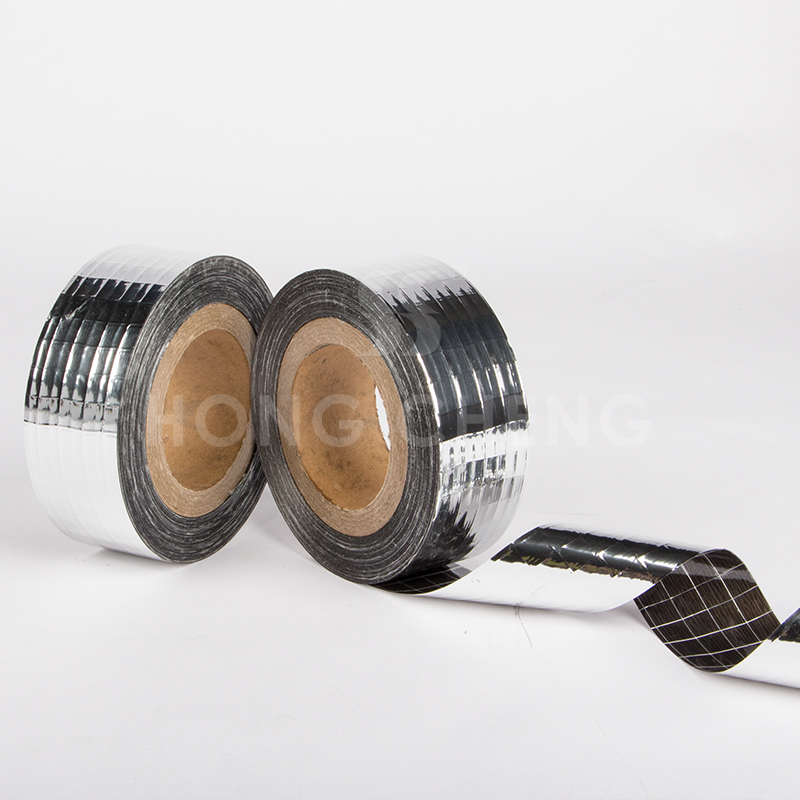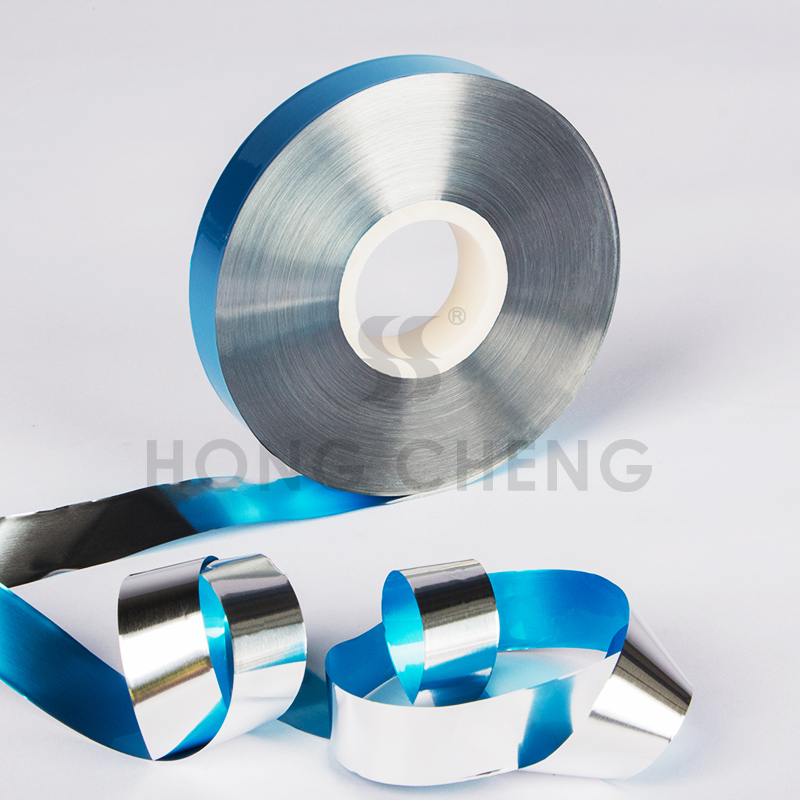
Core Advantages and Application Adaptation of Aluminum-Plastic Composite Strip Warm Edge Strips

In underfloor heating systems, aluminum-plastic composite strip warm edge strips are not "supporting roles"—they connect underfloor heating modules to floor decorative layers (such as tiles and wood flooring). They must not only block heat loss from the edges but also adapt to long-term temperature control (usually 25-50℃) and humidity changes on the ground. With the dual characteristics of "metal rigidity + polymer energy efficiency", they have become a preferred solution for warm edge strips in underfloor heating.
1. Special Requirements for Warm Edge Strips in Underfloor Heating Scenarios
Different from warm edge strips for doors and windows, those for underfloor heating need to address three core challenges: first, directional heat retention to prevent underfloor heating heat from escaping from wall edges (accounting for 15%-25% of total underfloor heating heat loss); second, resistance to ground deformation—the ground is prone to slight expansion under temperature influence, so warm edge strips must have both rigidity and toughness; third, moisture and mildew resistance—underfloor heating may increase ground humidity, so the material must be corrosion-resistant and non-hygroscopic. These requirements exactly match the performance characteristics of aluminum-plastic composite strip warm edge strips.
2. Five Core Advantages of Aluminum-Plastic Composite Strip Warm Edge Strips for Underfloor Heating
1. Thermal Conductivity Balance: Balancing Energy Efficiency and Temperature Stability
Aluminum-plastic composite strip warm edge strips are composed of an "aluminum alloy layer + polymer insulation layer" with a thermal conductivity coefficient of approximately 3-5W/(m·K)—far lower than traditional pure aluminum strips (150-200W/(m·K)). They can reduce underfloor heating edge heat loss by 30%-40% and avoid "cold zones" on the ground near walls. At the same time, the moderate thermal conductivity of the aluminum alloy layer (instead of complete insulation) can buffer ground temperature fluctuations, preventing decorative layer cracking caused by local overheating. This is especially suitable for floor materials sensitive to temperature differences, such as tiles and stone.
2. Temperature Resistance and Deformation Resistance: Adapting to Long-Term Temperature Control of Underfloor Heating
Underfloor heating systems operate for 8-12 hours per day on average, and the ground temperature repeatedly switches between room temperature and 50℃, which easily causes thermal expansion and contraction of materials. The aluminum alloy layer of the aluminum-plastic composite strip warm edge strip provides high rigidity (flexural strength ≥25MPa) to resist the extrusion force caused by ground expansion; the polymer layer (usually PA66 or PU) has toughness with a deformation rate ≤0.5% (24-hour 50℃ test), avoiding cracking and warping after long-term use. Its service life can reach 15-20 years, far exceeding that of pure plastic warm edge strips (8-10 years).
3. Sealing and Moisture Resistance: Blocking Moisture and Mildew Risks
When underfloor heating is in operation, ground moisture easily evaporates and penetrates to the edges. Poor sealing of warm edge strips can lead to wall moisture and floor mildew. The composite structure of aluminum-plastic composite strip warm edge strips has "dual sealing properties": the smooth surface of the aluminum alloy layer has a fitting degree of over 95% with sealants (such as silicone rubber and polyurethane rubber), forming the first waterproof barrier; the polymer layer itself is non-hygroscopic (water absorption rate ≤0.3%), which can block moisture penetration, especially suitable for underfloor heating systems in humid southern areas.
4. Installation Adaptability: Compatible with Various Underfloor Heating and Floor Materials
The thickness (usually 5-10mm) and width (15-25mm) of aluminum-plastic composite strip warm edge strips can be flexibly adjusted to adapt to different underfloor heating types such as dry underfloor heating modules and wet underfloor heating backfill layers. At the same time, their moderate surface tension allows close fitting with tile adhesive and wood floor moisture-proof pads, while avoiding difficulty in disassembly during later floor maintenance due to excessive bonding force, reducing decoration rework costs.
5. Cost-Effectiveness: Balancing Performance and Budget
Compared with high-end glass fiber composite warm edge strips (costing about 30-40 yuan/meter), aluminum-plastic composite strip warm edge strips only cost 15-25 yuan/meter and do not require special installation tools (ordinary utility knives can be used for cutting), reducing labor costs by 20%. Meanwhile, their energy-saving effect is 15%-20% higher than that of pure plastic warm edge strips. Long-term use can recover costs by reducing underfloor heating energy consumption (about 5%-8% per year), balancing "short-term budget" and "long-term energy saving".
3. Application Scenarios and Purchase Suggestions
Aluminum-plastic composite strip warm edge strips for underfloor heating are especially suitable for: 1. Residences with central heating and tile floors in northern China (needing to balance cold resistance and deformation resistance); 2. Apartments with independent gas boiler underfloor heating and wood floors in southern China (needing moisture resistance and temperature control balance); 3. Large-area underfloor heating systems in commercial spaces (such as hotel rooms and offices) (needing cost and performance adaptation).
Two points should be noted when purchasing: first, check the "composite layer bonding strength" (peeling force ≥5N/25mm to ensure no separation between the aluminum alloy and polymer layers); second, prioritize products with "underfloor heating-specific certification" (such as passing the supporting test of GB/T 29730-2013 Solid Wood Composite Flooring for Underfloor Heating), and avoid inferior products made of recycled materials.
The Core Role and Application Value of Aluminum Foil Insulation Film in Takeaway Insulation Bags
Requirements for Aluminum Foil Outer Packaging of New Energy Batteries