Tension in the Middle East Leads to Sharp Rise in Aluminum-Plastic Composite Film Prices, Industry Pattern Undergoes Short-Term Adjustment
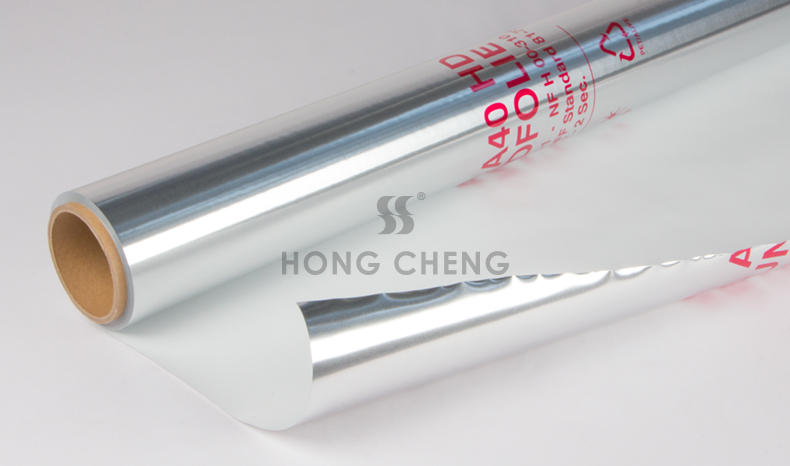
Recently, the situation in the Middle East has continued to escalate, with intensified military games between the United States, Israel and Iran, and the risk of navigation disruptions in the Strait of Hormuz has become prominent, triggering a chain reaction in the global aluminum industry chain. As one of the core downstream products of the aluminum industry chain, the price of aluminum-plastic composite film has risen sharply. According to industry monitoring data, the average domestic price of aluminum-plastic composite film has increased by 12%-15% cumulatively since March, with some high-end models rising by more than 20%, and the upward trend is still continuing. This price fluctuation is not accidental, but the result of multiple factors superimposed by supply chain disruptions and cost increases caused by the Middle East situation, which has a chain impact on downstream application fields such as food, medicine and new energy, and the short-term industry pattern is undergoing adjustment.
The tension in the Middle East has directly pushed up the cost of core raw materials for aluminum-plastic composite films through disruptions in the aluminum supply chain, which is the core inducement for the price increase. The Middle East is a key supply end of the global aluminum industry. The six countries of the Gulf Cooperation Council (GCC) and Iran together contribute about 9% of global primary aluminum production, and 80%-90% of the aluminum production is used for export, with export channels highly dependent on the Strait of Hormuz[1]. The current escalation of the situation has increased the uncertainty of navigation in the Strait of Hormuz. Aluminum smelters in Qatar, Bahrain and other countries have issued shutdown or force majeure announcements, and Emirates Global Aluminium is also facing delays in finished aluminum loading[4], directly leading to tight global primary aluminum supply.
The surge in primary aluminum prices has been directly transmitted to the production link of aluminum-plastic composite films. As the core raw material of aluminum-plastic composite films, aluminum foil accounts for more than 40% of the production cost[2]. Recently, LME aluminum prices have continued to rise, closing at 3,313 US dollars per ton on March 6, with a cumulative increase of more than 5% this week, setting a new high since 2022[4]. Goldman Sachs predicts that if the navigation of the Strait of Hormuz is interrupted for a long time, aluminum prices may reach 3,600 US dollars per ton, and JPMorgan Chase even warns that aluminum prices are expected to hit the 4,000 US dollars per ton mark[1][4]. The continuous rise in raw material prices has directly forced aluminum-plastic composite film manufacturers to raise their quotations.
The rise in energy prices has further increased the cost pressure of aluminum-plastic composite films and amplified the price increase. Aluminum smelting is a high-energy-consuming industry, and energy costs account for 1/3 of the total cost of aluminum smelters outside China. The escalation of the Middle East situation has led to high volatility in global oil and gas prices, pushing up the electricity costs of global electrolytic aluminum plants[1]. At the same time, the plastic films (PE, PP, etc.) required for the production of aluminum-plastic composite films rely on the petroleum industry chain, and the rise in oil prices has synchronously driven up the cost of plastic substrates[2][5]. Under the dual cost pressure, manufacturers can only transfer costs through price increases, further promoting the rise in aluminum-plastic composite film prices.
The imbalance between market supply and demand and low inventory have exacerbated the sustainability of price increases. Currently, global aluminum inventories are at a historical low, with only about 462,000 tons of aluminum ingots in LME warehouses, more than half of which are Russian aluminum ingots, and the effective available inventory is extremely limited[4]. Aluminum-plastic composite film manufacturers are unable to alleviate the shortage of raw materials through stockpiling. On the demand side, the rapid development of new energy vehicles, energy storage and other fields has driven the continuous growth of demand for aluminum-plastic composite films. The domestic demand for aluminum-plastic films is expected to reach 740 million square meters in 2026[3]. Under the tight supply-demand balance pattern, the momentum for price increases has been further enhanced.
This price increase has had varying degrees of impact on upstream and downstream industries. Downstream food and pharmaceutical packaging enterprises are facing the pressure of rising procurement costs. Some small and medium-sized enterprises have reduced orders or raised product prices because they cannot absorb the cost increase; the new energy field has strong resilience to price increases due to rigid demand, but in the long run, it may affect the cost control of related products[3]. For aluminum-plastic composite film manufacturers, although they benefit from price increases to improve profitability in the short term, factors such as unstable raw material supply and fluctuations in energy prices also bring risks such as production plan adjustments and order delivery delays.
Industry insiders analyze that the price trend of aluminum-plastic composite films still depends on the evolution of the Middle East situation. If the situation eases and the navigation of the Strait of Hormuz resumes, aluminum prices are expected to fall, and the price increase of aluminum-plastic composite films will narrow; if the situation continues to escalate, the problem of supply shortage will further worsen, and prices may continue to rise. At present, downstream enterprises are avoiding price fluctuation risks through diversified procurement, long-term agreement price locking and other methods, and the aluminum-plastic composite film industry will accelerate its concentration to enterprises with raw material advantages and stable production capacity in the supply-demand adjustment.
Hangzhou Hongcheng Technology at CABEX Russia 2026
How to Choose Between Three-Layer and Five-Layer Aluminum Foil Composite Film?