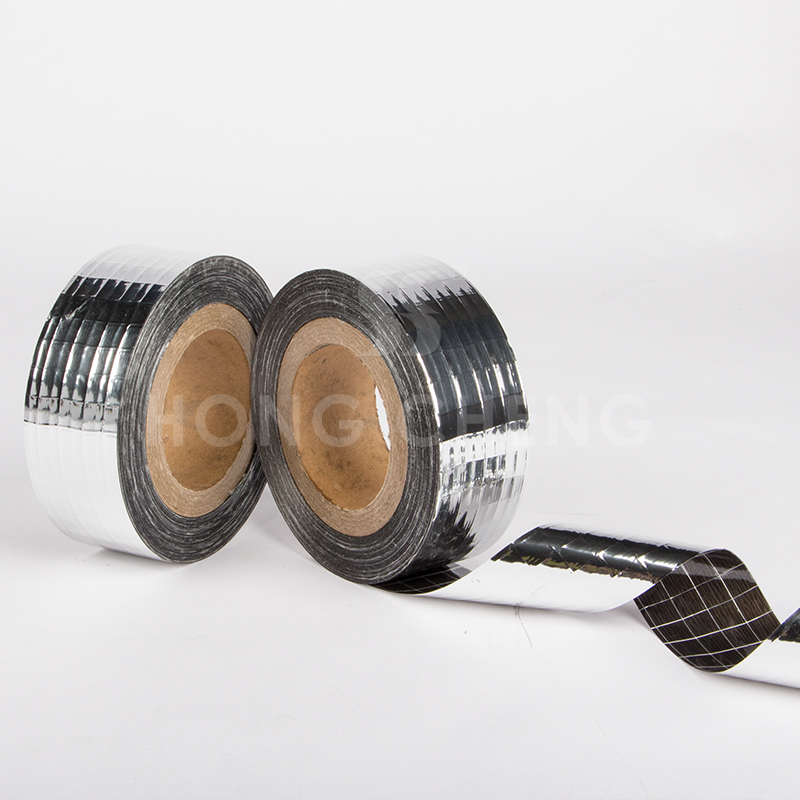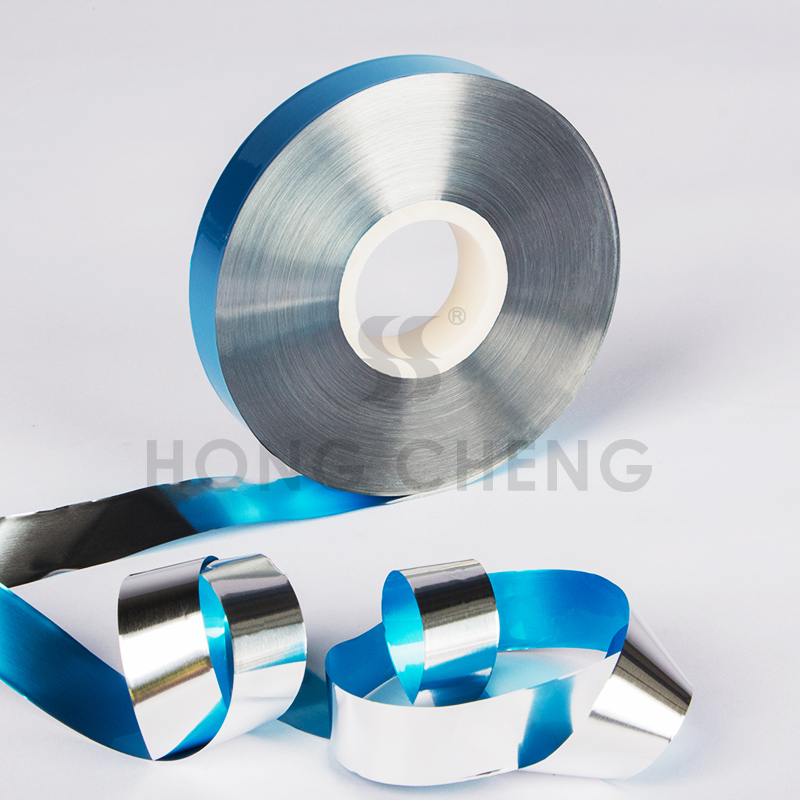
Which is better, aluminum plated film or composite aluminum film?
2025-04-23
In the field of packaging materials, aluminum plated film and composite aluminum film are two commonly used materials, each with distinct characteristics in performance, application scenarios, and other aspects. The following analysis compares the two from multiple dimensions to help you better understand their advantages and disadvantages, enabling you to make suitable choices based on practical needs.
Aluminum Plated Film
Definition and Process:
Aluminum plated film is produced through a vacuum aluminizing process, where an extremely thin aluminum layer (typically 0.01-0.1 microns thick) is deposited on the surface of plastic films (such as PET or CPP). This process creates a metallic-looking aluminum coating on the film, providing good barrier properties, decorative effects, and electromagnetic shielding capabilities.
Aluminum plated film is produced through a vacuum aluminizing process, where an extremely thin aluminum layer (typically 0.01-0.1 microns thick) is deposited on the surface of plastic films (such as PET or CPP). This process creates a metallic-looking aluminum coating on the film, providing good barrier properties, decorative effects, and electromagnetic shielding capabilities.
Advantages:
- Lower Cost: Compared with pure aluminum foil or composite aluminum film, aluminum plated film uses minimal aluminum, making it more cost-effective and suitable for packaging scenarios where cost is a sensitive factor.
- Lightweight: The ultra-thin aluminum layer results in a lightweight material, facilitating transportation and use while aligning with environmental lightweight trends.
- Good Decorativeness: The metallic surface can achieve aesthetically pleasing effects through printing and other processes, enhancing the added value of products.
- Moderate Barrier Performance: It effectively blocks light, oxygen, and water vapor, extending the shelf life of contents, making it suitable for packaging foods, pharmaceuticals, and other items requiring moderate barrier protection.
Disadvantages:
- Limited Mechanical Strength: The fragile aluminum layer is prone to damage during folding or extrusion, reducing barrier performance.
- Weak Corrosion Resistance: The aluminum layer may corrode when exposed to acidic, alkaline, or high-humidity environments, affecting service life.
- Moderate Electrical Conductivity: While it offers some electromagnetic shielding, it may fall short in high-demand electromagnetic protection scenarios.
Application Scenarios:
Primarily used in food packaging (e.g., potato chip bags, candy wrappers), pharmaceutical packaging, moisture-proof bags for electronic products, and decorative materials (e.g., gift wrapping paper) — scenarios requiring moderate barrier properties and cost efficiency but not extreme mechanical strength.
Primarily used in food packaging (e.g., potato chip bags, candy wrappers), pharmaceutical packaging, moisture-proof bags for electronic products, and decorative materials (e.g., gift wrapping paper) — scenarios requiring moderate barrier properties and cost efficiency but not extreme mechanical strength.
Composite Aluminum Film
Definition and Process:
Composite aluminum film is a multi-layered material formed by laminating aluminum foil (typically 6-15 microns thick) with plastic films (such as PE or PET) using adhesives or heat-sealing processes. This structure combines the high barrier properties of aluminum foil with the flexibility of plastic films.
Composite aluminum film is a multi-layered material formed by laminating aluminum foil (typically 6-15 microns thick) with plastic films (such as PE or PET) using adhesives or heat-sealing processes. This structure combines the high barrier properties of aluminum foil with the flexibility of plastic films.
Advantages:
- Excellent Barrier Performance: The thick aluminum foil layer completely blocks light, oxygen, water vapor, and odors, making it the preferred material for high-barrier packaging in critical applications.
- High Mechanical Strength: The combination of aluminum foil and plastic film significantly improves puncture and tensile resistance, withstanding various external forces during transportation and storage.
- Strong Corrosion Resistance: The aluminum foil layer is protected by the plastic film, making it less prone to direct contact with corrosive substances and suitable for packaging highly acidic, alkaline, or humid products.
- Superior Electrical and Electromagnetic Shielding: The thicker aluminum foil provides more reliable electromagnetic shielding, ideal for electronic components, semiconductors, and other fields requiring high electromagnetic protection.
Disadvantages:
- Higher Cost: The use of thick aluminum foil and complex lamination processes lead to significantly higher costs than aluminum plated film, potentially increasing packaging expenses.
- Heavier Weight: The thicker aluminum foil results in a heavier material, which may be less advantageous in scenarios sensitive to transportation costs.
- Difficult Environmental Treatment: Composite materials, often consisting of multiple layers, are more challenging to recycle or degrade and require special processing.
Application Scenarios:
Widely used in high-end food packaging (e.g., milk powder, coffee, pet food), pharmaceutical packaging (e.g., aluminum-plastic composite caps for injections), moisture-proof and anti-static packaging for electronics, and protective packaging for military products — scenarios demanding high barrier properties, mechanical strength, and reliability.
Widely used in high-end food packaging (e.g., milk powder, coffee, pet food), pharmaceutical packaging (e.g., aluminum-plastic composite caps for injections), moisture-proof and anti-static packaging for electronics, and protective packaging for military products — scenarios demanding high barrier properties, mechanical strength, and reliability.
Key Differences: Aluminum Plated Film vs. Composite Aluminum Film
| Dimension | Aluminum Plated Film | Composite Aluminum Film |
|---|---|---|
| Material Structure | Plastic film + ultra-thin aluminum coating | Aluminum foil + plastic film composite layer |
| Barrier Performance | Moderate, suitable for general protection | Excellent, ideal for high-demand protection |
| Mechanical Strength | Low, prone to damage | High, strong puncture and tensile resistance |
| Cost | Low | High |
| Weight | Light | Heavier |
| Corrosion Resistance | Weak | Strong |
| Typical Applications | Ordinary food, decorative packaging | High-end food, electronics, military |
How to Choose?
- Opt for Aluminum Plated Film: When you need low cost, lightweight, and moderate barrier properties, and the packaged contents are not easily affected by mechanical stress (e.g., dry foods, daily necessities), aluminum plated film is a more economical choice.
- Opt for Composite Aluminum Film: When high barrier properties, strength, and corrosion resistance are required, or when packaging sensitive products (e.g., high-fat foods, electronic components, pharmaceuticals), composite aluminum film provides more reliable protection. While it is costlier, its long-term performance offers higher cost-effectiveness.
In summary, neither material is universally "better" — the choice depends on specific application scenarios, performance requirements, and budget. With growing environmental awareness, keeping an eye on recyclable or degradable innovations in both aluminum plated and composite aluminum film technologies can help balance performance with sustainability.
Technological Innovation in the Preparation of Aluminum - Plastic Composite Films: Unlocking New Paths for High - Performance Product Manufacturing
The Diverse Applications of Aluminized Film in Packaging