Automotive Wiring Harness Shielding in 2026: AL/PET Shielding Tape vs Aluminum Mylar Tape

Global electric vehicle sales surpassed 25 million units in 2026, with China's market penetration rate exceeding 50%. As 800V high-voltage platforms spread rapidly from premium to mid-range segments, the demand for high-performance shielding materials in automotive wiring harnesses has entered a new phase. AL/PET shielding tape and aluminum mylar tape — both derived from aluminum-polyester laminate structures — have become critical procurement items for automotive cable and harness manufacturers worldwide.
Why Automotive Harnesses Demand Stricter Shielding
The electromagnetic environment inside a modern electric vehicle is uniquely challenging. Drive motors, inverters, and DC/DC converters generate broadband EMI spanning from several hundred hertz to several hundred megahertz. At the same time, ADAS sensors — millimeter-wave radar, LiDAR, and cameras — are highly sensitive to signal-to-noise ratios. Any shielding gap can cause sensor misreads with direct safety implications.
Beyond EMI performance, automotive harness shielding materials must also satisfy:
- Wide temperature range: Engine bay harnesses must operate stably from -40°C to +125°C
- Mechanical durability: Continuous vibration and flexing throughout the vehicle's service life
- Flame retardancy: Compliance with FMVSS 302, UL 94 V-0/VTM-0, and related standards
- Lightweight pressure: EV manufacturers are pushing for thinner, lighter materials across all components
These four dimensions together define a selection logic far more demanding than that of standard industrial cables.
Two Core Materials: Aluminum Mylar Tape vs AL/PET Automotive Shielding Tape
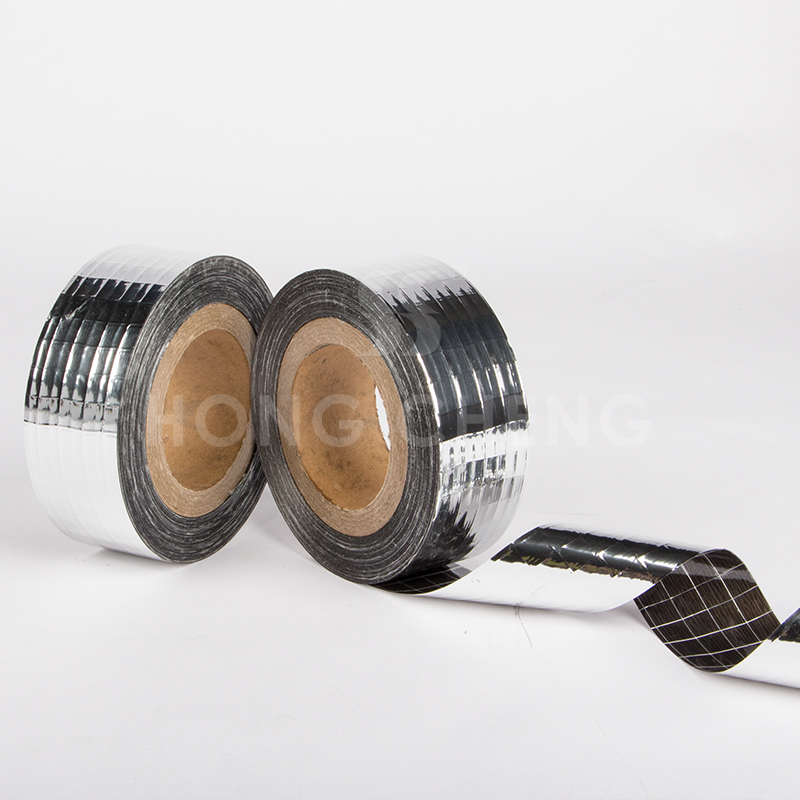
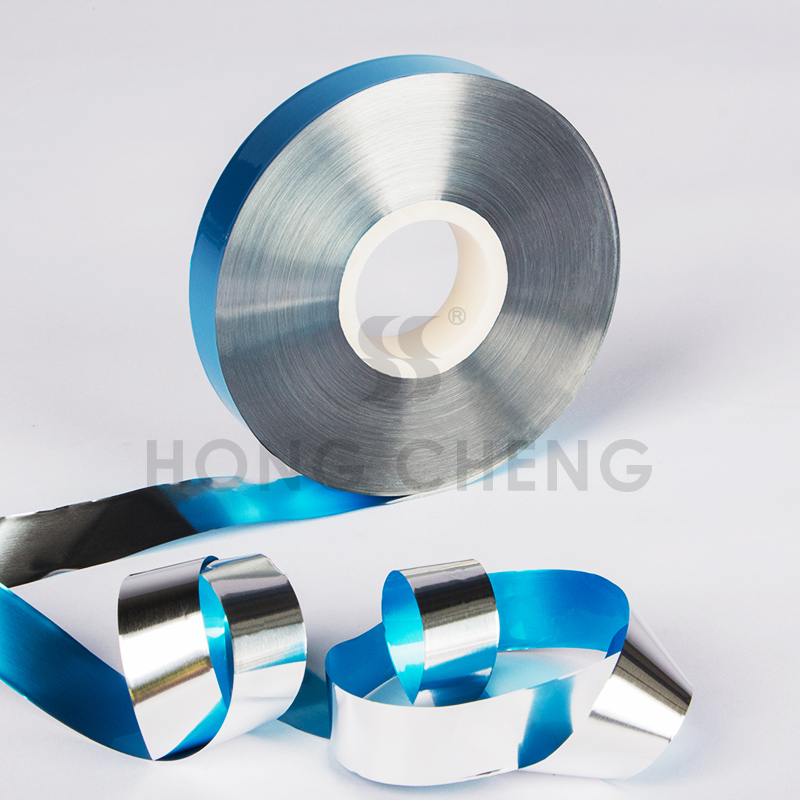
Aluminum mylar tape — the industry's common name for aluminum foil laminated with polyester film (PET) — typically consists of 6–9 μm aluminum foil bonded to 12–23 μm PET film. It is widely used across telecom, data, and general industrial cable applications.
AL/PET automotive-grade shielding tape shares the same base structure but is engineered to meet vehicle-grade requirements in several key areas:
- Peel strength: ≥1.2 N/25mm to prevent delamination under harness flexing
- Pinhole rate: Tighter control to ensure shielding continuity
- Surface resistance: ≤0.1 Ω/□ for effective high-frequency attenuation
- Surface treatment options: Anti-oxidation, alcohol-resistant, and salt-spray-resistant finishes available
The two materials share the same operating principle; the distinction lies in tighter tolerances, higher qualification thresholds, and greater customization depth required for automotive applications.
Typical Specification Comparison
| Parameter | Standard Aluminum Mylar Tape | AL/PET Automotive-Grade |
|---|---|---|
| Foil thickness | 6–9 μm | 7–12 μm (customizable) |
| PET thickness | 12–23 μm | 12–25 μm |
| Peel strength | ≥0.8 N/25mm | ≥1.2 N/25mm |
| Surface resistance | ≤0.5 Ω/□ | ≤0.1 Ω/□ |
| Slitting tolerance | ±0.3 mm | ±0.2 mm |
| Operating temperature | -20°C to +105°C | -40°C to +125°C |
| Flame retardancy | Optional | UL 94 V-0/VTM-0 available |
For high-heat zones such as engine bay harnesses and high-voltage battery cables, automotive-grade tape's wider temperature range and stronger lamination are decisive advantages. For standard body signal harnesses, aluminum mylar tape offers the right balance of cost and performance.
Three Typical Automotive Shielding Scenarios
Scenario 1: High-Voltage Power Harness (HV Harness)
In 800V platforms, the cable connecting the battery pack to the drive motor carries peak currents exceeding 400A, generating intense low-frequency magnetic fields. These harnesses typically use a dual-shield architecture — aluminum braid plus AL/PET shielding tape. The AL/PET tape wraps the outer surface of the braid layer, providing high-frequency shielding while also offering moisture and dust resistance.
Scenario 2: ADAS Sensor Signal Cables
Millimeter-wave radar (77 GHz band) and LiDAR control cables demand exceptional high-frequency shielding. Thin-profile AL/PET shielding tape (total thickness ≤25 μm) is the standard choice here, combining lightweight construction with reliable high-frequency attenuation.
Scenario 3: In-Vehicle Communication Harnesses (CAN/LIN/USB/LVDS)
CAN bus, USB 3.2, and LVDS display cables operate across 1 MHz to 10 GHz. Aluminum mylar tape (6–9 μm foil + 12 μm PET) applied with correct overlapping and grounding keeps crosstalk and radiated emissions within compliance limits.
Procurement Checklist: Six Parameters to Verify
When sourcing automotive harness shielding tape, confirm these six parameters before placing an order:
- Foil thickness: Request actual measured values, not nominal figures
- PET substrate thickness: Affects total thickness and flex performance
- Peel strength (T-peel): Request third-party test reports, not just spec sheets
- Surface resistance: Specify aluminum side vs. PET side; aluminum-side resistance governs high-frequency shielding
- Slitting tolerance: Automated harness wrapping equipment typically requires ±0.2 mm or better
- Thermal performance: Ask for DSC or TMA data rather than relying solely on spec sheet ratings
2026 Market Outlook: Three Sustained Growth Drivers
Driver 1: 800V Platform Scaling Down to Volume Segments
The 800V high-voltage platform is moving from luxury models into the RMB 200,000 price bracket. This expansion multiplies the volume of high-voltage harness shielding required per vehicle. Analysts estimate 800V platform annual sales will exceed 6 million units in 2026, creating sustained demand growth for AL/PET automotive shielding tape.
Driver 2: Rising ADAS Adoption
L2+ and L3 autonomous driving features are becoming standard in new vehicle launches. More sensors mean more shielded signal cables per vehicle, directly expanding demand for high-performance shielding laminates.
Driver 3: Chinese EV Export Expansion
Chinese EV brands are exporting at scale to Europe, Southeast Asia, and the Middle East. Several OEMs now require harness suppliers to provide ECE-compliant shielding material test documentation, raising the specification bar for AL/PET automotive shielding tape in the supply chain.
Hongcheng Technology has been manufacturing aluminum foil laminate materials for over 20 years. We supply aluminum mylar tape and AL/PET automotive-grade shielding tape with foil thickness from 6 to 15 μm and widths from 200 to 1,250 mm. Single-side aluminum, double-side aluminum, and metallized film structures are available for custom orders. We welcome harness manufacturers and cable producers to share their specifications for tailored material solutions.
Phone / WeChat: +86 13758223270 Email: wendy@hcdxcl.com.cn
FS Aluminum Foil Scrim Laminate: The Lightweight Facing Material for Flexible HVAC Ducts
Woven Aluminum Foil Composite Laminate for Vacuum Packaging: Structure, Selection & Sourcing Guide 2026