Shielding Materials in the High-Frequency and High-Speed Era: Current Status and Prospects
2025-07-21
Introduction
In the high-frequency and high-speed era, the electromagnetic environment has become increasingly complex, and the problem of electromagnetic interference (EMI) has become more prominent. From the widespread deployment of 5G communication base stations, the upgrading of consumer electronic products such as smartphones and tablets to high-frequency and high-speed, to the increasing complexity of new energy vehicle electronic systems and the large-scale expansion of data centers, various electronic devices and systems generate electromagnetic waves during operation. These electromagnetic waves interfere with each other, not only affecting the normal operation of equipment but also potentially threatening human health. Therefore, the development of high-performance shielding materials has become the key to solving the problem of electromagnetic interference.
Basic Principles of Electromagnetic Shielding
Electromagnetic shielding mainly achieves the elimination or attenuation of electromagnetic waves based on reflection and absorption, and the shielding effectiveness (SE) is usually used to evaluate the shielding performance of electromagnetic shielding materials. According to S.A. Schelkunoff's electromagnetic shielding theory, when electromagnetic waves propagate to the surface of the shielding material, they are generally attenuated through three mechanisms: first, the reflection loss on the incident surface, which is due to the impedance mismatch between the material and the external space, causing part of the electromagnetic waves to be reflected back; second, the absorption loss of the waves that enter the shielding body without being reflected. When electromagnetic waves propagate inside the material, they interact with atoms and molecules of the material, and their energy is gradually consumed; third, the multiple reflection loss inside the shielding body. The electromagnetic waves entering the shielding body are reflected multiple times inside, further attenuating the energy.
New Requirements for Shielding Materials in the High-Frequency and High-Speed Era
With the development of new-generation communication technologies such as 5G and 6G, the operating frequency of electronic devices continues to increase, and the signal transmission speed is accelerating. In this case, higher requirements are put forward for shielding materials. First, shielding materials need to have excellent shielding effectiveness in higher frequency bands to effectively block the propagation of high-frequency electromagnetic waves. Secondly, it is necessary to minimize the loss of materials during shielding to reduce signal attenuation and ensure that the performance and energy consumption of the equipment are at a reasonable level. In addition, as electronic products develop towards miniaturization and lightweight, shielding materials also need to have the characteristics of being thin, light, and flexible to adapt to different application scenarios and product design requirements.
Common Shielding Materials and Their Performance Characteristics
·Metal Shielding Materials
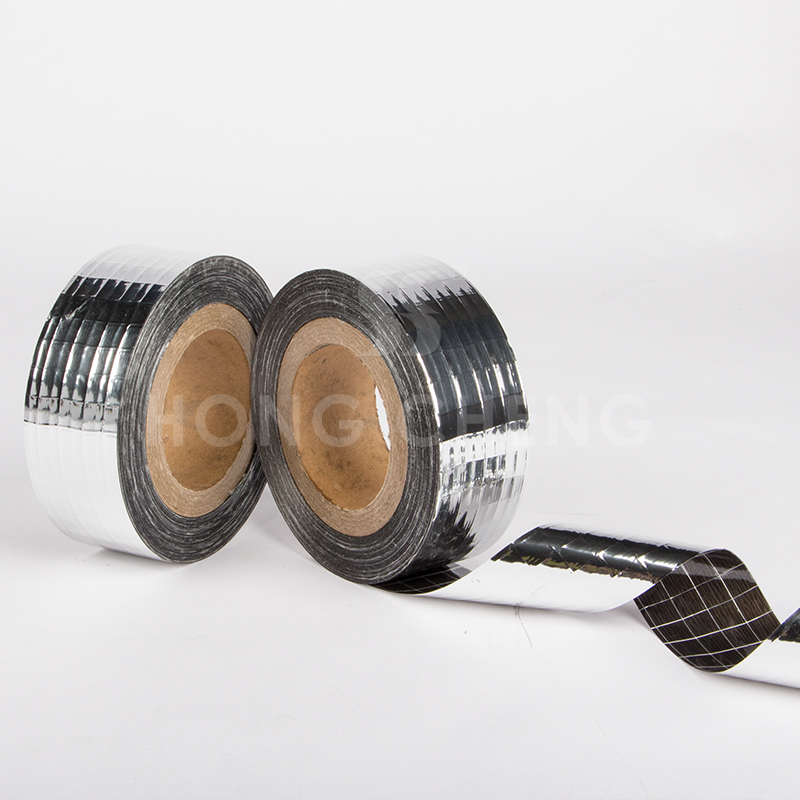
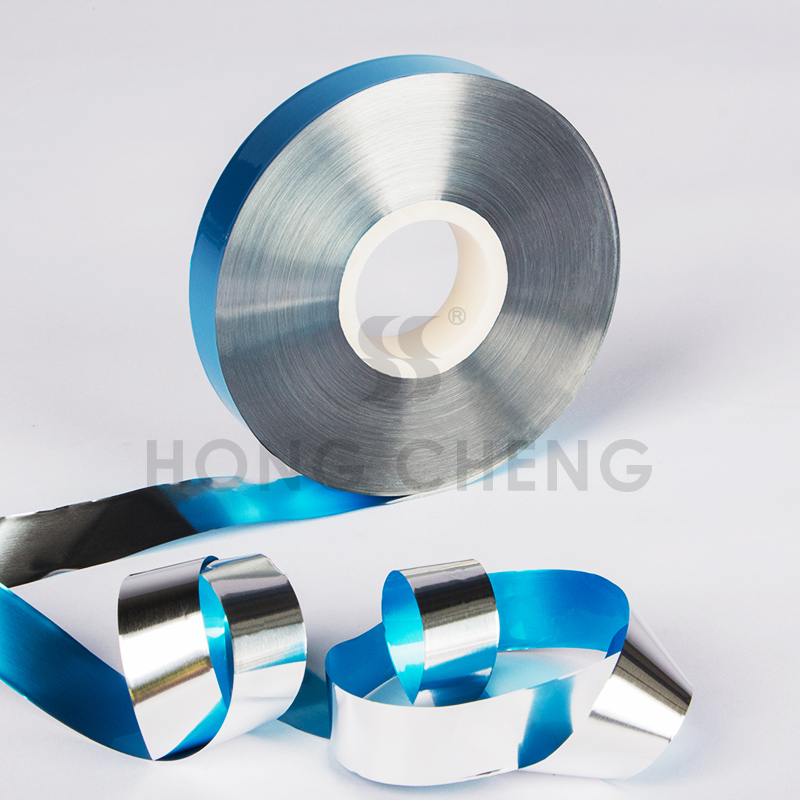
Metals, with their good electrical conductivity and high magnetic permeability, have always been traditional electromagnetic shielding materials. Common metal shielding materials such as aluminum, copper, and silver have their own advantages in high-frequency electromagnetic shielding. Aluminum plates, with the characteristics of lightweight and good electrical conductivity, are often used in the casings and shielding layers of electronic devices, which can effectively block the penetration of high-frequency electromagnetic waves and have relatively low costs. Copper and its alloys (such as silver-plated copper wires) have excellent electrical conductivity and perform particularly well in high-frequency electromagnetic shielding, which can form an efficient electromagnetic shielding layer to reduce electromagnetic wave leakage and interference, but the cost is relatively high. Although silver has the highest electrical conductivity among all metals, its high price limits its large-scale application, and it is only used in specific occasions with extremely high requirements for electrical conductivity and shielding effect.
In addition, there are some shielding materials derived from metals. For example, conductive rubber is made by uniformly distributing conductive particles (such as silver-plated glass and silver-plated aluminum) in silicone rubber. When subjected to a certain pressure, it can exhibit good electrical conductivity and electromagnetic shielding performance, and is suitable for occasions requiring both sealing and electromagnetic shielding functions, such as sealing gaskets of electronic devices. Conductive cloth is made by chemically depositing or physically transferring metals (such as nickel and copper) on materials such as polyester. It has excellent electrical conductivity and electromagnetic shielding effect, and can be used to make electromagnetic shielding covers, shielding pads and other components, which are widely used in electronic equipment, communication equipment and other fields. For shielding low-frequency electromagnetic waves, magnetic materials such as ferrite, NdFeB, and AlNiCo are more effective. They have high magnetic permeability and can effectively absorb and reflect low-frequency electromagnetic waves.
·Conductive Polymer Materials
Conductive polymers are high molecular substances with obvious polymer characteristics. Their main chains have conjugated electron systems and can reach a conductive state through doping. Intrinsic conductive polymers belong to molecular conductive substances, which are generally prepared by doping appropriately conjugated polymers with highly delocalized electrons with appropriate electron acceptors or donors, such as polyaniline, polyacetylene, polypyrrole and other polymer materials containing large conjugated π-electron systems. By "doping" to introduce mobile carriers, the carriers can flow or jump along the conjugated polymer chains, thereby conducting current and making the polymer quickly and reversibly become conductive.
Conductive polymer shielding materials have the advantages of high conductivity, light weight, corrosion resistance, and low cost. Among them, intrinsic conductive polymers have good application prospects in electromagnetic shielding due to their characteristics of light weight, breathability, adjustable conductivity, good environmental stability, and non-shedding coating. Such materials are mainly based on reflection loss or a combination of reflection and absorption loss. The reflection loss is mainly caused by the impedance mismatch between the space impedance and the inherent impedance of the shielding layer, which is the result of the interaction between charged particles in the conductor material and the electromagnetic field; the absorption loss is the effect of electric dipoles or magnetic dipoles in the conductor material interacting with the electromagnetic field. According to the types of carriers during conduction, conductive polymers can be divided into three categories: electronic conductive polymers, ionic conductive polymers, and redox conductive polymers.
·Carbon-Based Materials
Carbon-based materials are often used as electromagnetic shielding materials due to their good electrical conductivity. Their main forms include "doping", compounding, and loading on fabrics. In terms of "doping", lattice doping is an effective way, that is, introducing other atoms to replace carbon atoms in graphite. The electromagnetic shielding performance of carbon-based materials can be improved by compounding with magnetic materials or conductive polymers. In addition, electromagnetic shielding fabrics can be prepared by loading carbon-based materials onto fabrics through melt blending, infiltration, or coating.
The use of carbon-based materials as conductive fillers is favored, especially carbon nanomaterials such as graphene and carbon nanotubes. They have small particle size, large specific surface area, high surface energy, a large proportion of surface atoms, and special photoelectric properties. When compounded with polymer resin matrices, composites with light weight, good mechanical and electrical properties, low cost, and easy processing can be obtained. At present, the research objects of carbon-based electromagnetic shielding materials mainly include graphite, expanded graphite, nano-graphite, carbon nanotubes, graphene, carbon black series, and carbon fiber series.
·Other New Shielding Materials
With the continuous development of materials science, some new shielding materials have gradually emerged. For example, materials with a cellular structure, in which uniformly distributed cells are formed inside the material through microcellular foaming technology. This structure can not only reduce the material density and production cost but also enhance the reflection of electromagnetic waves inside the cells, making them dissipate in the form of heat, increasing the absorption of electromagnetic waves, and improving the electromagnetic shielding performance of the material. Conductive foam is a three-dimensional network structure based on three-dimensional porous polyurethane sponge, which has both conductive and electromagnetic shielding functions. Conductive sponge composites with adjustable volume resistivity can be obtained by in-situ growth of polyaniline on polyurethane sponge carriers through chemical oxidative polymerization. The composites have good electrical conductivity, environmental stability, and a good reduction effect on silver ions.
Application Fields of Shielding Materials
·Communication Field
In the communication field, base stations, wireless communication equipment, etc. have a huge demand for high-frequency electromagnetic shielding materials. The development of 5G communication technology has led to a significant increase in the number of base stations, with higher operating frequencies and faster signal transmission speeds, which requires high-performance shielding materials to reduce electromagnetic interference and ensure communication quality. For example, in base station equipment, using metal shielding materials to make casings can effectively block internal electromagnetic wave leakage and prevent external electromagnetic interference from affecting the normal operation of the base station. Conductive polymer materials and carbon-based materials can also be used for shielding the internal circuit boards of base stations to improve the stability and reliability of the equipment.
·Electronic Equipment Field
For various consumer electronic products such as computers, TVs, and audio equipment, the application of shielding materials can improve product performance and user experience. In smartphones, to meet the requirements of lightness, thinness, and high performance, a variety of shielding materials are used. For example, the use of electromagnetic shielding films on the motherboard can effectively suppress electromagnetic interference, ensure the stable transmission of high-frequency signals, and improve the communication quality and operating speed of the mobile phone. At the same time, the mobile phone casing may also use metal or composite shielding materials, which can not only play a role in beauty and protection but also enhance the electromagnetic shielding effect and reduce electromagnetic radiation to the human body.
·Medical Field
Medical equipment is very sensitive to electromagnetic interference. The application of high-frequency electromagnetic shielding materials in medical equipment helps to improve equipment accuracy and safety. For example, magnetic resonance imaging (MRI) equipment generates strong magnetic fields and electromagnetic waves during operation. To avoid affecting other surrounding medical equipment and personnel and ensure the accuracy of its own imaging, high-performance shielding materials need to be used for shielding. Shielding materials can prevent external electromagnetic interference from entering the MRI equipment and affecting imaging quality, and also prevent electromagnetic waves inside the equipment from leaking and having adverse effects on the surrounding environment.
·Aerospace Field
In the aerospace field, the reliability of electronic equipment is crucial. Since aircraft and satellites operate in a complex electromagnetic environment, they are subject to more serious electromagnetic interference, so the requirements for shielding materials are extremely high. Shielding materials such as metal matrix composites have high strength, high toughness, and good electromagnetic shielding performance, and can be used to manufacture the casings of aerospace equipment and shielding components of internal electronic equipment, ensuring that the equipment can operate stably in harsh electromagnetic environments, and guaranteeing flight safety and the smooth execution of missions.
Development Trends of Shielding Materials
·High Performance
With the continuous progress of science and technology, future shielding materials will develop towards higher performance. Researchers will be committed to developing new materials and optimizing preparation processes to improve the shielding effectiveness of shielding materials in high-frequency bands while reducing material loss. For example, through further research and modification of nanomaterials such as graphene and carbon nanotubes, composites with higher conductivity and electromagnetic shielding performance will be developed. In addition, new material systems and structural designs, such as nano-metal/ceramic composite media, will be explored to achieve more efficient electromagnetic shielding effects.
·Lightweight and Flexibility
To meet the development trend of miniaturization, lightweight, and flexibility of electronic products, shielding materials will also develop towards lightweight and flexibility. Flexible shielding materials such as conductive polymers and flexible graphene films can not only adapt to complex shapes and bending requirements but also reduce the weight of products while ensuring shielding performance. This will provide strong support for the development of new electronic products such as wearable devices and foldable screen mobile phones.
·Multifunctional Integration
Future shielding materials will not only have electromagnetic shielding functions but also integrate other functions such as heat dissipation, antibacterial, and self-healing. For example, compounding materials with heat dissipation performance with shielding materials can effectively solve the heat dissipation problem of electronic equipment during operation, improving the stability and service life of the equipment. At the same time, the integration of antibacterial functions can enable shielding materials to play a greater role in fields such as medical equipment, reducing bacterial growth and ensuring hygiene and safety. The introduction of self-healing functions can improve the reliability and durability of shielding materials and reduce maintenance costs.
·Environmental Protection
With the increasing awareness of environmental protection, environmentally friendly shielding materials will become an inevitable trend in development. More attention will be paid to the degradability, low pollution, and sustainable utilization of resources in the research and development process. For example, water-based environmentally friendly coatings will be used instead of traditional organic solvent-based coatings as electromagnetic shielding coatings to reduce the emission of volatile organic compounds (VOC) and reduce environmental pollution. At the same time, exploring the use of renewable resources to prepare shielding materials, such as biomass materials, to realize the green production and application of materials.
Conclusion
In the high-frequency and high-speed era, electromagnetic shielding materials play a crucial role as the key to solving electromagnetic interference problems. From traditional metal materials to new conductive polymers, carbon-based materials, and other innovative materials, various shielding materials show unique performance advantages in different application fields. With the continuous development of science and technology, shielding materials will continue to innovate and develop towards high performance, lightweight and flexibility, multifunctional integration, and environmental protection to meet the growing demand for electronic equipment and create a safer, more efficient, and environmentally friendly electromagnetic environment for people. In future research and applications, it is necessary to further strengthen the interdisciplinary integration of materials science, physics, chemistry, etc., deeply explore the relationship between the microstructure and performance of materials, and continuously develop shielding materials with better performance and more comprehensive functions to promote the continuous progress of electronic technology in the high-frequency and high-speed era.
What to Do If Aluminum Foil Bags Always Have Bubbles?
What are the Characteristics of Aluminum Foil Woven Film Material?