How to Choose a Container Moisture Barrier Liner: Match the Structure to the Cargo
Anyone who manufactures liner bags or manages export packaging has probably run into this situation: the same customer used a certain liner successfully for a machinery shipment, but when the next container was loaded with carton-packed consumer goods, mold spots appeared on the cartons. The problem is rarely the bag itself. More often, the cargo type inside the container was not treated as the first variable when the material was specified. As a supplier of foil laminate raw materials to liner bag converters, we would like to break down the selection logic by cargo type.
Why Cargo Type Determines Liner Structure
An ocean shipping container is a closed, humid micro-environment with wide temperature swings. On long voyages that often exceed twenty days, the day-night temperature difference causes repeated condensation on the container walls, a phenomenon the trade commonly calls "container rain." Different cargoes release different amounts of moisture vapor and suffer different forms of damage when they get wet: metal parts corrode from condensation, cartons collapse as they absorb moisture, textiles develop mold and color change, and powdered chemicals cake into lumps. The job of a liner is not unlimited isolation. It is to keep the relative humidity inside the container within the range the cargo can tolerate for the duration of the voyage. Because each cargo has its own moisture content and maximum allowable humidity, the required water vapor transmission rate of the liner differs, and so does the right structure.
Four Cargo Types, Four Material Routes
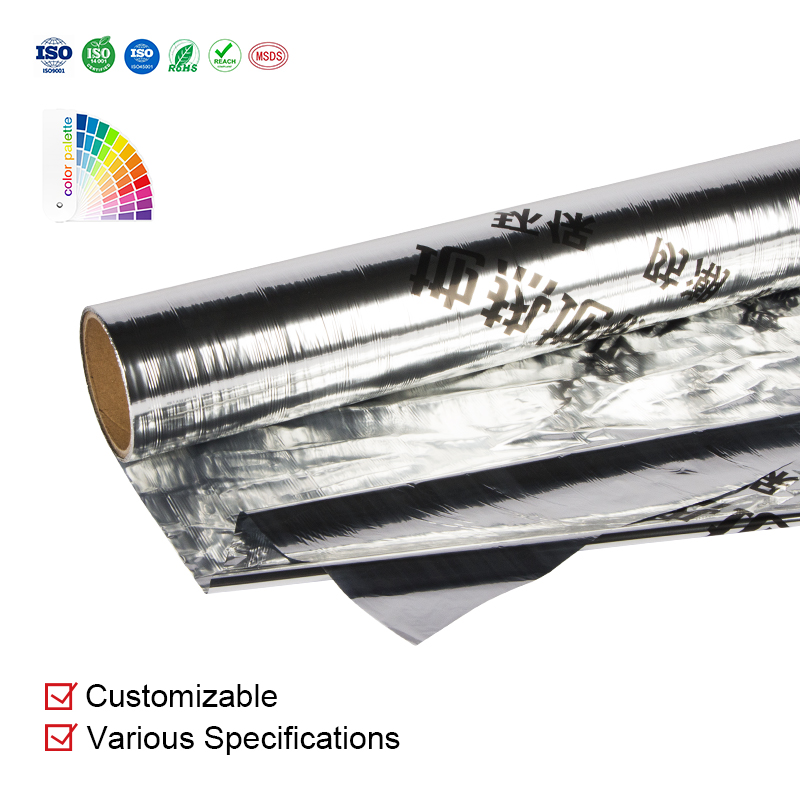
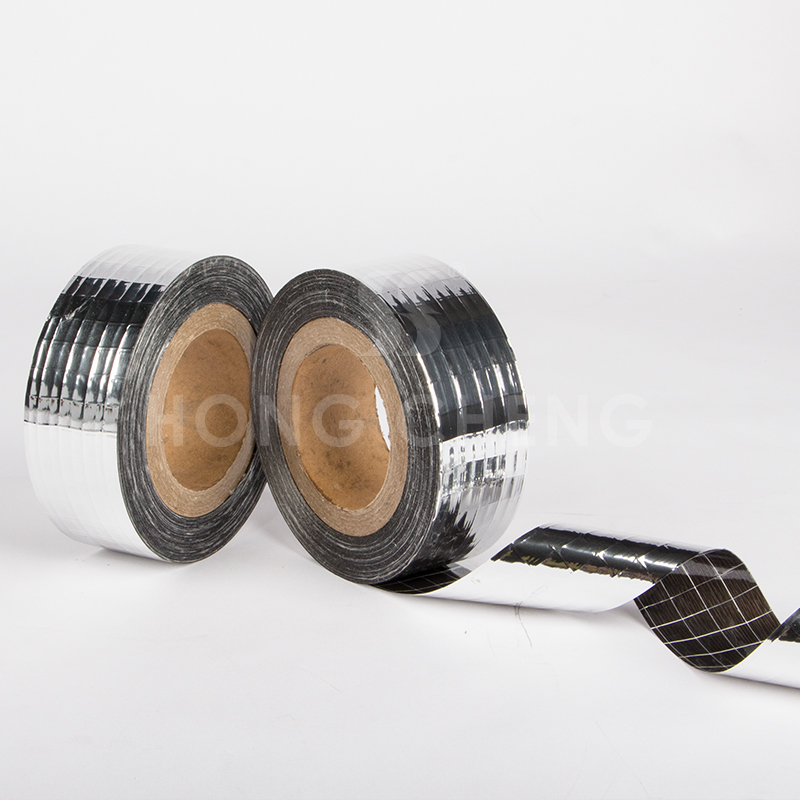
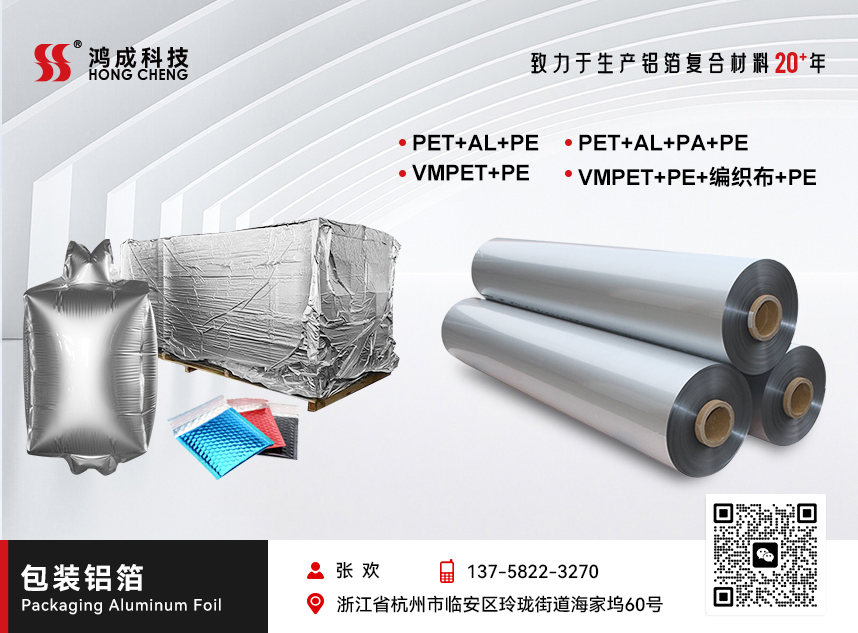
Type 1: High-value precision equipment and metal products. These goods carry high value, are extremely sensitive to corrosion, and often travel the longest routes. For them, a woven foil moisture barrier laminate is the recommended route. A pure aluminum foil layer delivers near-metal-level low WVTR, while the woven fabric layer provides puncture and tear resistance, so the liner survives handling and in-container securing without damage. The foil is supplied in conventional thicknesses of 6μm to 9μm; for long voyages on high-humidity lanes, choose the heavy grade (9μm). A three-layer structure — foil plus woven fabric plus PE sealing layer — is common and makes seal-strength verification straightforward for the converter.
Type 2: Carton-packed consumer goods and light industrial products. The cartons themselves provide a degree of moisture buffering, so the acceptable humidity window is wider. A two-layer AL/PE laminate is usually sufficient and costs less than woven structures, which matters when you are fitting full containers at scale. One caution: size the PE layer to the voyage. For short, direct routes the standard gauge works; for long voyages with multiple transshipments, specify a heavier PE layer and run seal-strength sampling before production.
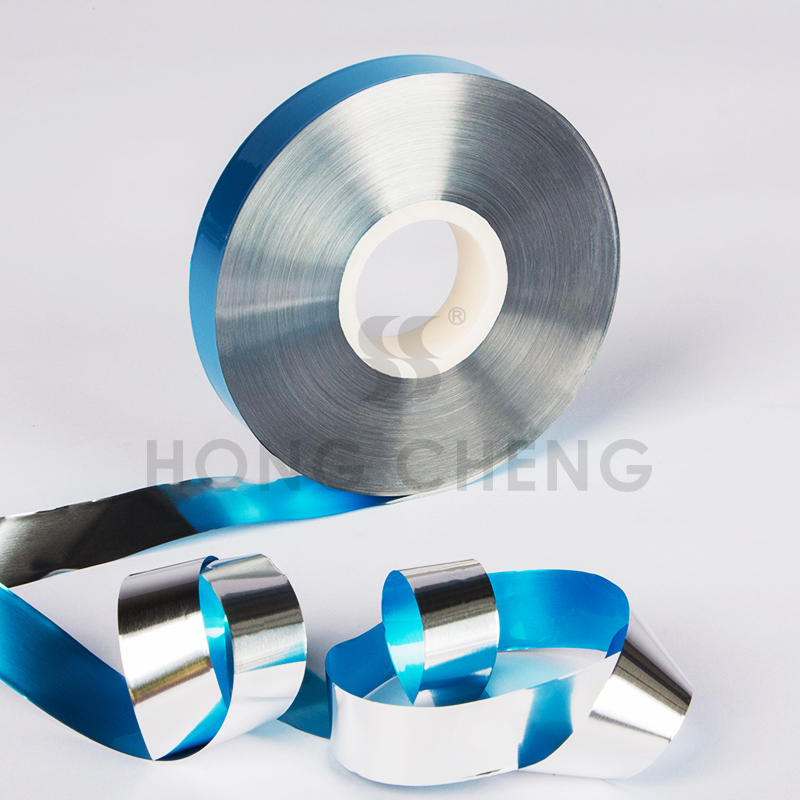
Type 3: Chemical raw materials and powders. Beyond moisture, these cargoes often demand chemical resistance and, in some cases, anti-static performance, and they frequently work together with FIBC bulk bag liners. A VMPET/PE metallized laminate or a foil laminate is recommended, and the converter should tell the material supplier exactly what will be inside so the PE layer's contact compatibility can be confirmed. Remember that a metallized layer transmits more vapor than pure foil; with chemical cargo the overall packaging design matters even more, so sealing quality and the desiccant plan must keep pace.
Type 4: Textiles and leather goods. The damage here shows up as mold and discoloration, and when it happens the claim usually covers the entire shipment. Buyers therefore expect barrier performance that holds over the whole voyage. Specify pure foil laminate rather than a metallized structure, and pair the liner with desiccants and humidity indicator cards at the container stage. Presenting the liner, desiccant and monitoring as one integrated plan is a genuine value-add that converters can price into the job. When the whole package is documented this way, the buyer sees an engineered solution rather than a commodity bag, and the converter earns a place in the customer's next tender instead of competing line by line on price.
Three Procurement Points for Liner Converters
First, put the cargo type and the route on the inquiry sheet. There is no universal "best" when it comes to WVTR, peel strength and seal strength — only what fits a specific cargo. Asking for a generic "moisture barrier bag" specification gives the material supplier nothing to work with when trying to recommend the right structure.
Second, write the key parameters into the contract. State the foil thickness explicitly, using the conventional 6μm to 9μm range with the heavy grade identified as 9μm. Agree on a peel strength of no less than 1.5N/15mm, and verify seal strength against your bag-making equipment's sealing window. On incoming inspection, check the foil layer with a pinhole test against light, and distinguish pure foil from metallized film with a surface resistance measurement — this protects you from paying foil prices for metallized material, or the reverse.
Third, keep reference samples to control batch-to-batch consistency. A liner is the last line of defense for an entire container. One batch with weakened lamination can cost the value of the full cargo, not just a few rolls of film. Establish a sealed-sample system with your material supplier and compare first, middle and end samples of every incoming batch.
A Closing Note from the Material Side
The most useful conversations we have with liner converters start not with a price list but with three questions: what cargo, which route, and how long the voyage. Those answers determine whether the right answer is woven foil, AL/PE, or VMPET/PE — and getting that decision right is worth far more than a small unit-price difference.
Hangzhou Hongcheng Technology manufactures woven foil moisture barrier laminates, AL/PE laminates and metallized film composites for container moisture barrier packaging, with custom widths, thicknesses and structures to match the cargo type and route. As a raw material supplier we do not make finished liner bags, but we are glad to work through the structure decision with converters. +86 13758223270, Email: wendy@hcdxcl.com.cn
Underfloor Heating Reflective Film: 5 Buyer Pitfalls to Avoid