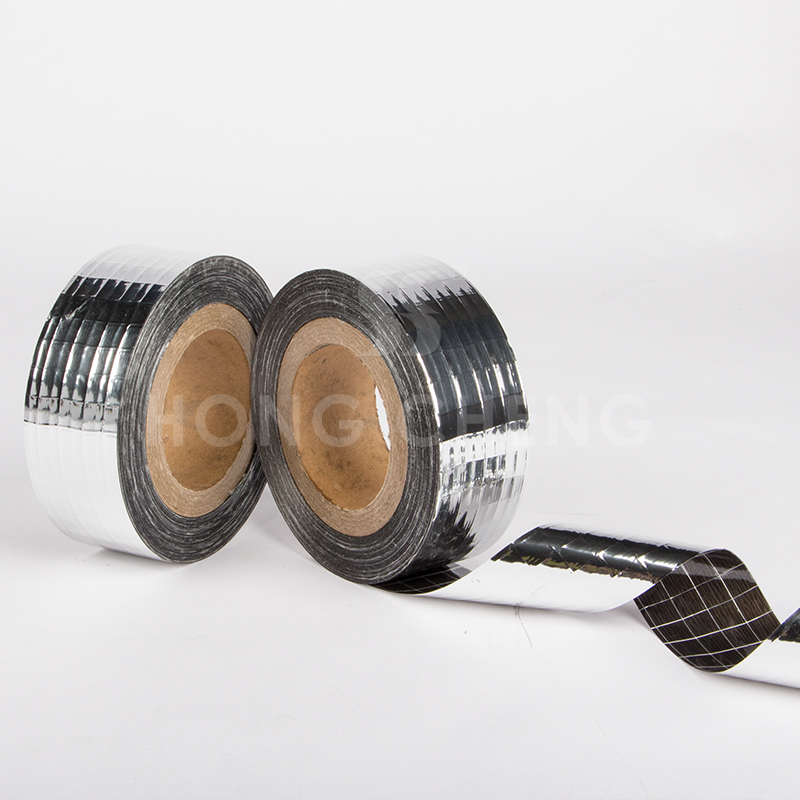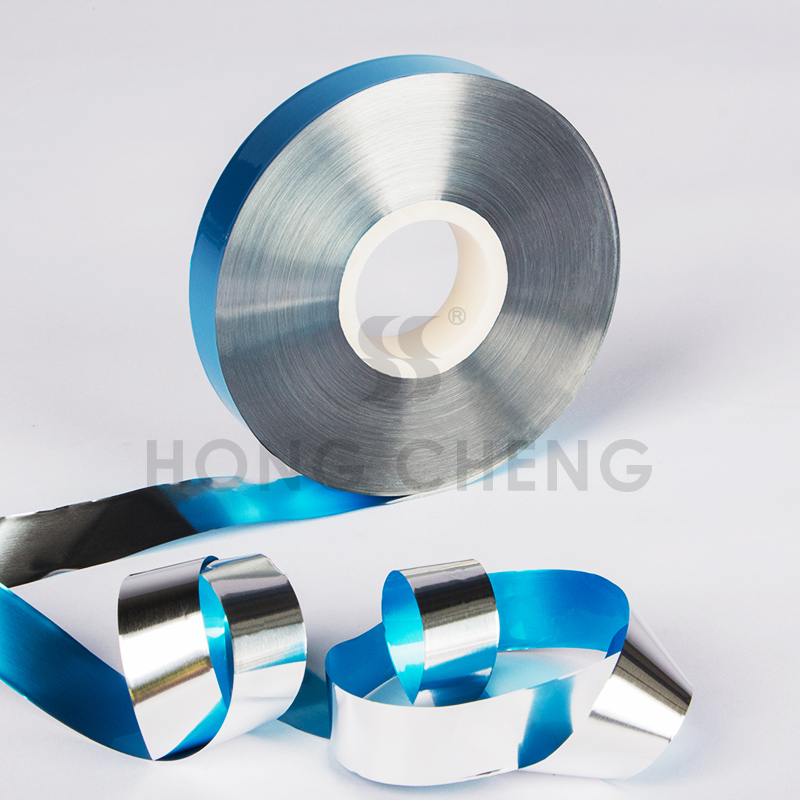
Cooler Box Liner Foil Bubble Composite Film: Trends, Structure, and Selection Guide
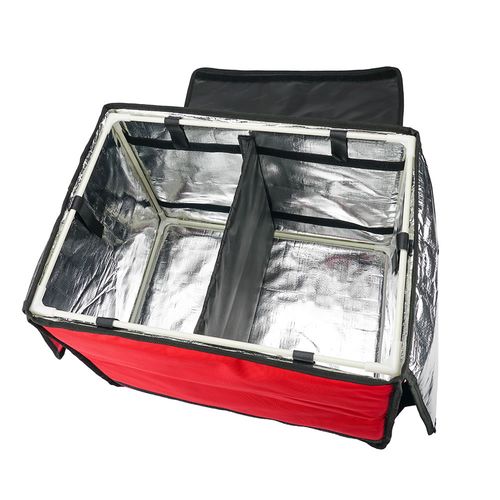
Over the past two years, the rapid expansion of fresh food cold chain, pharmaceutical logistics, and outdoor recreation markets has driven a new peak in cooler box (insulated box, cold box) procurement. At the heart of every cooler box, the foil bubble composite film liner — combining the dual advantages of thermal reflection and an air-trap bubble layer — is rapidly replacing traditional foam and EPE pearl cotton as the go-to insulation material. This article analyzes the latest application trends from four angles: technology evolution, structural differences, market drivers, and selection guidance, providing cold chain equipment manufacturers, fresh food distributors, and outdoor brand owners with a systematic overview of foil bubble composite film liners.
1. Market Drivers: From Single-Use Delivery to Pharmaceutical Cold Chain
The demand structure for cooler box liners is shifting significantly. Early-stage markets were dominated by low-end disposable foam boxes. Around 2020, with the boom in food delivery and fresh e-commerce, reusable EPP coolers became mainstream, creating parallel demand for aluminum foil composite liners. In 2024-2026, pharmaceutical cold chain (vaccines, biologics, blood transport) and premium fresh produce (imported seafood, high-end steak, fresh-cut flowers) have become the core growth segments of the cooler box market.
Pharmaceutical cold chain demands extremely strict temperature stability — the 2-8°C range often needs to be maintained for 48-72 hours. Single foam or EPP structures struggle to deliver such long-duration insulation. The multi-layer reflection + air-trap structure of foil bubble composite film delivers stable performance across repeated thermal cycles and has become the standard liner for high-end medical coolers.
The outdoor recreation market is also expanding rapidly. Brands of ice buckets, in-vehicle coolers, and portable insulated boxes increasingly use foil bubble liners to enhance product premium positioning — the metallic luster upgrades visual appeal, while the reflective insulation extends ice retention time by 30%-50%.
2. Technology Evolution: Multi-Layer Composite Structures Keep Upgrading
The core structure of foil bubble composite film is a "reflective layer + bubble layer + protective layer" sandwich. Industry iteration over the past two years has focused on the following directions:
1. Double-Sided Reflective Structures Becoming Mainstream. Early foil bubble films were typically single-sided (AL + bubble + PE). Today, double-sided foil bubble (AL + bubble + AL) is rapidly gaining share in high-end medical and in-vehicle cooler applications because of superior bidirectional reflection. Double-sided foil structures can improve internal-external temperature maintenance capability by approximately 20%.
2. Increased Bubble Layer Weight. Standard foil bubble film bubble layer weight is 80-120g/m²; high-end products have increased to 150-200g/m², with bubble diameter enlarged from 8mm to 10-12mm. The increased weight directly increases air retention, pushing thermal conductivity down to 0.032-0.038 W/(m·K) — approaching rigid polyurethane foam insulation levels.
3. PE/AL/PE Composite Structures Enhance Moisture Resistance. In marine transport and cross-border cold chain scenarios, cooler box liners often face condensate erosion. New-generation foil bubble composite films add a PE moisture barrier between the foil and the bubble layer, preventing foil oxidation or delamination from prolonged condensate contact. Service life can be extended from 1-2 years to 3-5 years.
4. Antistatic and Antimicrobial Functions. Medical and food-grade coolers now require antistatic and antimicrobial properties. Some high-end products incorporate antimicrobial or antistatic agents into the PE protective layer to prevent dust adhesion and microbial growth. Hongcheng Technology's customized foil bubble composite film supports both antimicrobial and antistatic customization.
3. Foil Bubble Composite Film vs. Other Liner Materials
Four main categories of cooler box liner materials exist: foil bubble composite film, EPE pearl cotton, XPS extruded board, and PU polyurethane foam. A comparison across four dimensions:
| Indicator | Foil Bubble Composite Film | EPE Pearl Cotton | XPS Extruded Board | PU Polyurethane Foam |
|---|---|---|---|---|
| Thermal Conductivity W/(m·K) | 0.032-0.040 | 0.045-0.055 | 0.028-0.034 | 0.022-0.028 |
| Unit Area Weight g/m² | 200-400 | 50-150 | 1500-3000 | 2000-5000 |
| Rollable / Cuttable | ✅ | ✅ | ❌ (rigid) | ❌ (rigid) |
| Reflective Insulation | ✅ (95% reflectivity) | ❌ | ❌ | ❌ |
| Cost (USD/m²) | $0.40-1.10 | $0.15-0.40 | $1.10-2.00 | $2.00-4.00 |
| Reuse Lifespan | 3-5 years | 1-2 years | 5+ years | 5+ years |
The comparison shows that foil bubble composite film excels in reflective insulation + lightweight rollability + mid-low cost. For mid-to-high-end coolers that require a balance of insulation, portability, and reusability, foil bubble liner is the optimal overall solution.
4. Selection Guide: Match Specifications to Application
Different cooler box applications have significantly different specification requirements. When selecting foil bubble composite film, focus on the following core parameters:
1. Foil Thickness and Purity. Medical and premium fresh food applications recommend pure aluminum foil (99.0%+ purity), thickness 7-9μm. Standard cold chain delivery can use 7μm foil. Single-use scenarios can use metalized film to reduce cost.
2. Bubble Layer Weight and Diameter. For long-duration insulation (48+ hours), recommend bubble weight ≥150g/m², diameter 10-12mm. For standard refrigeration (24 hours), 100-120g/m² is sufficient. For short-distance delivery (6-12 hours), 80g/m² is adequate.
3. Surface PE Layer Thickness. Customers who need heat sealing for bag-making should use PE thickness 20-30μm. Customers using the material only as liner padding can use PE 15-20μm.
4. Custom Width. Cooler box manufacturers typically need to customize liner width based on the box inner dimensions. Common specifications are 600-1500mm. Hongcheng Technology supports custom widths from 500-1800mm, with continuous roll lengths up to 1000-3000 meters.
5. Key Reminders: Three Common Selection Mistakes to Avoid
Mistake 1: Focus Only on Total Thickness, Not Bubble Weight. Two "5mm thick" foil bubble films can have bubble weights of 80g/m² and 180g/m² — insulation performance differs by nearly a factor of two. Always specify bubble layer weight parameters in your RFQ.
Mistake 2: Neglecting Moisture Barrier Design. In cold chain scenarios, condensate can penetrate from the cooler inner wall into the liner. Without a PE moisture barrier, foil bubble film may experience foil oxidation or delamination within six months. Choose products with PE/AL/PE composite structure or additional moisture-resistant coating.
Mistake 3: Blindly Pursuing Low Weight. Over-pursuing lightweight design sacrifices insulation performance. The "lightness" of a cooler should be achieved through structural optimization (thin-wall design), not by compressing liner material weight.
6. Hongcheng Technology Cooler Box Liner Supply Capability
Hangzhou Hongcheng Technology Co., Ltd. specializes in the R&D and production of aluminum foil composite materials and PE laminated films. For the cooler box liner market, the company provides a full range of foil bubble composite film solutions:
- Single-Sided Foil Bubble Composite Film: AL (7/9μm) + bubble (80-200g/m²) + PE (15-30μm)
- Double-Sided Foil Bubble Composite Film: AL + bubble + AL, for long-duration insulation scenarios
- PE/AL/Bubble/AL/PE Composite Structure: Enhanced moisture-resistant version, suitable for marine transport and cross-border cold chain
- Antimicrobial/Antistatic Customization: For medical-grade and food-grade cooler boxes
All products support custom widths (500-1800mm), thicknesses, weights, and interlayer structures. Monthly production capacity is stable, meeting the supply needs of OEM contract brands through to large cold chain logistics enterprises.
For sample testing or custom solutions, contact the Hongcheng Technology technical team.
Phone/WeChat: +86 13758223270 Email: wendy@hcdxcl.com.cn
How to Choose Woven Foil Vacuum Bag Thickness: A Full Guide from Equipment Packaging to Wooden Crate Lining
How to Choose AL/PE Duct Facing Thickness & Structure: A Buyer's Guide