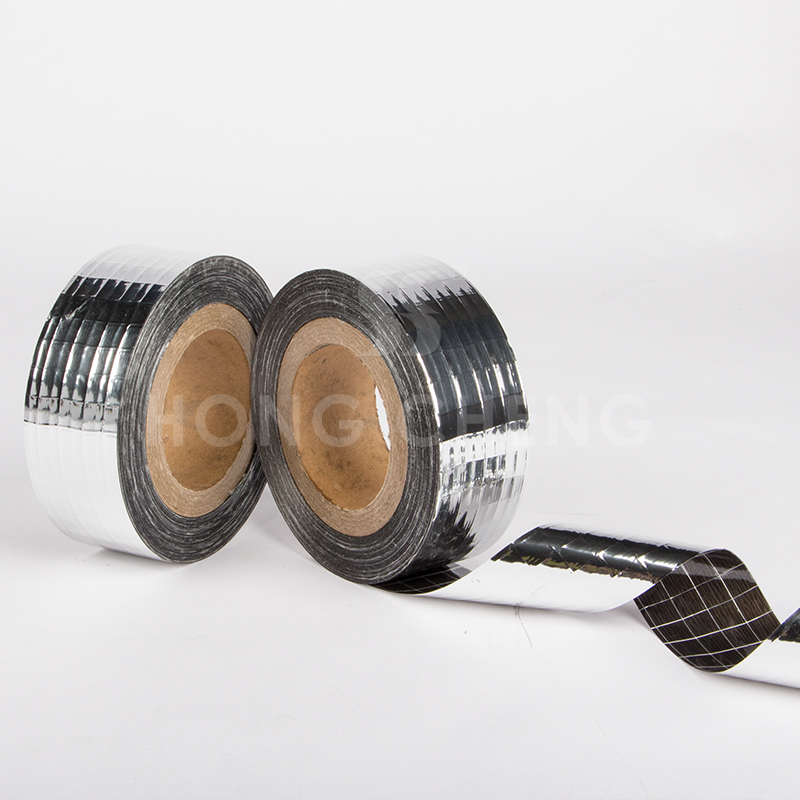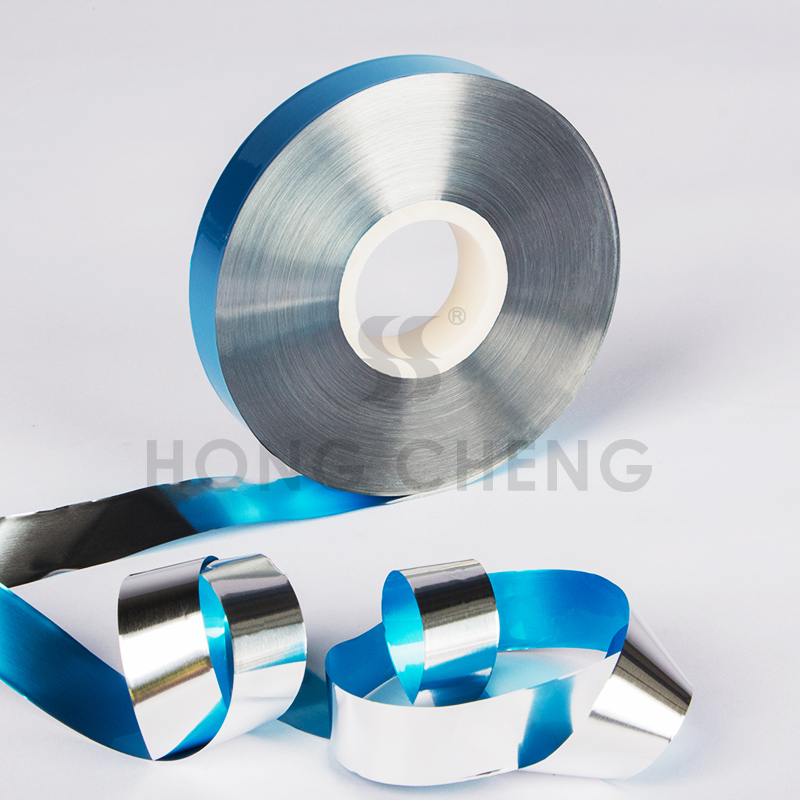
Differences Between Flame-Retardant Composite Aluminum Foil and Ordinary Composite Aluminum Foil
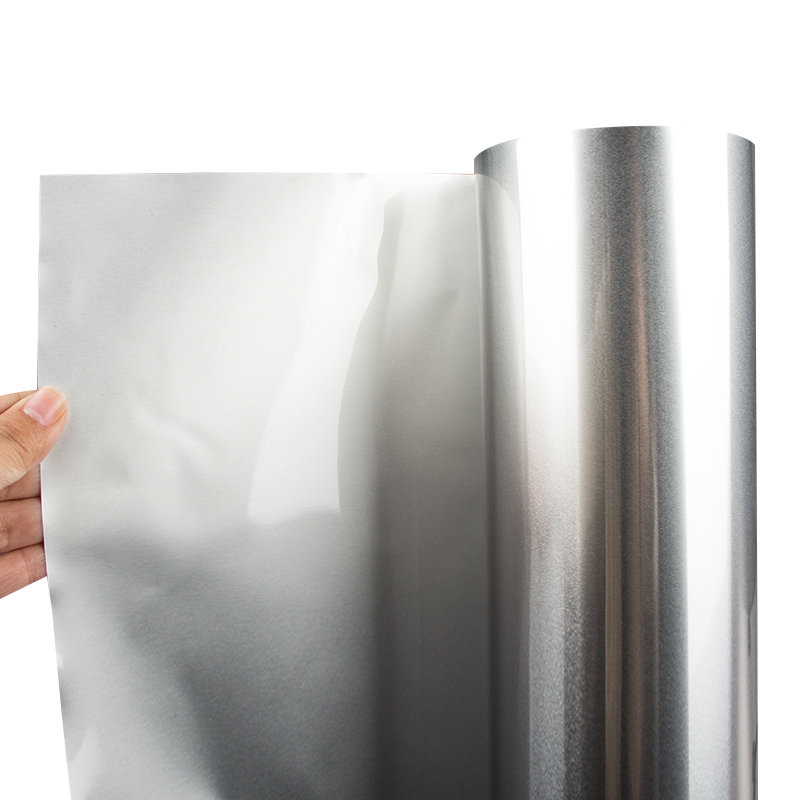
As a functional material with both protective and barrier properties, composite aluminum foil is widely used in construction, industry, packaging and many other fields. According to performance differences, it can be divided into two categories: flame-retardant composite aluminum foil and ordinary composite aluminum foil. There are significant differences between the two in material composition, production process, core performance and application scenarios, which directly determine their adaptation range and use safety. Clarifying the differences between the two can help purchasers accurately match needs, avoid use risks, and reasonably control costs. The following clearly sorts out the core differences between the two from multiple dimensions.
Material composition is the most fundamental difference between the two, with the core difference focusing on composite substrates and added components. Ordinary composite aluminum foil is mainly composed of aluminum foil and basic substrates. The aluminum foil is mostly industrial aluminum foil with a purity of about 99.7% and a thickness of 12-25μm. The composite substrates are mainly ordinary films such as PE and PET, without additional functional additives. It only relies on the aluminum foil itself to achieve basic moisture-proof, heat-insulating and barrier functions. Flame-retardant composite aluminum foil, on the basis of ordinary composite aluminum foil, adds flame-retardant components, usually adding flame retardants (such as aluminum hydroxide, flame-retardant plasticizers, etc.) to the composite substrate. Some high-end products will use flame-retardant substrates, and the surface of the aluminum foil will be treated with a special flame-retardant coating, endowing the product with flame-retardant performance from the material level, ensuring that it is not easy to burn or spread flames in high-temperature or open flame environments.
Differences in production processes further amplify the performance differences between the two. Ordinary composite aluminum foil adopts conventional dry lamination or hot-melt lamination processes, with relatively simple processes. It only needs to combine aluminum foil and substrate through adhesive or hot pressing, without additional special treatment. The production efficiency is high and the cost is low. The finished product only needs to meet the basic requirements of composite firmness, without flame-retardant related testing links. Flame-retardant composite aluminum foil adds flame-retardant treatment processes on the basis of conventional composite processes, including flame retardant addition, surface flame-retardant coating, high-temperature curing, etc. The production process is more complex and the control is more strict. In addition, the composite adhesive of flame-retardant composite aluminum foil also needs to choose flame-retardant materials to ensure that the overall flame-retardant performance meets the standard, avoiding the impact of adhesive combustion on the overall protective effect, which also leads to longer production cycle and higher cost.
The difference in core performance is the most intuitive embodiment of the two, focusing on flame retardancy, high temperature resistance and safety. Ordinary composite aluminum foil has no flame-retardant performance. It will burn quickly when exposed to open flame, produce droplets when burning, and the flame is easy to spread, which cannot prevent the expansion of fire. It can only withstand the conventional temperature of 80-120℃, and will soften and break when exceeding the limit temperature. Flame-retardant composite aluminum foil has a clear flame-retardant grade (usually reaching B1 level and above). When exposed to open flame, it will only carbonize, not burn or smolder slowly, without obvious flame spread, and no toxic and harmful smoke is produced. It has better high-temperature resistance, can withstand high temperatures of 150-200℃, and some special products can withstand higher temperatures, which can effectively block the spread of fire and ensure the safety of the use environment. In addition, the two are basically the same in basic performance such as moisture-proof, barrier and mechanical strength, and can meet conventional protective needs.
The difference in application scenarios is a direct embodiment of the difference between the two, and also the core basis for procurement and selection. Ordinary composite aluminum foil focuses on cost performance and is suitable for conventional scenarios without flame-retardant requirements, such as ordinary food packaging, temporary protection of industrial products, building insulation assistance (non-fire prevention areas), ordinary pipeline wrapping, etc. Such scenarios have low safety requirements and prioritize cost control. Flame-retardant composite aluminum foil is mainly used in scenarios with strict requirements on fire safety, such as building fire-fighting areas, high-temperature industrial pipelines, pharmaceutical packaging, new energy equipment protection, HVAC air ducts of subways and high-rise buildings, etc. In such scenarios, in case of fire, flame-retardant materials are needed to block the fire and reduce potential safety hazards, so flame-retardant composite aluminum foil must be selected.
In addition, there are also differences in cost and testing standards between the two. Due to the addition of flame-retardant components and additional production processes, the cost of flame-retardant composite aluminum foil is 30%-50% higher than that of ordinary composite aluminum foil. It also needs to pass professional flame-retardant performance tests (such as oxygen index test, vertical burning test) to ensure compliance with national and industry flame-retardant standards; ordinary composite aluminum foil does not need flame-retardant testing, only needs to meet basic composite performance and environmental protection standards, and the cost is relatively low.
In summary, the core difference between flame-retardant composite aluminum foil and ordinary composite aluminum foil lies in whether they have flame-retardant performance, which is essentially the difference in performance and application scenarios caused by differences in materials and processes. When purchasing and selecting, it is necessary to reasonably choose according to the fire protection requirements and temperature environment of the use scenario, combined with the cost budget. There is no need to blindly pursue flame-retardant performance, nor can ordinary composite aluminum foil be used in scenarios with high fire protection requirements to avoid potential safety hazards.
Turbulent International Situation: Where Will Global Aluminum Prices Go?
Price Range and Core Differences of Aluminum Foil Composite Film