Differences between Polyester PET Vacuum Bags and Nylon PA Vacuum Bags
2025-07-07
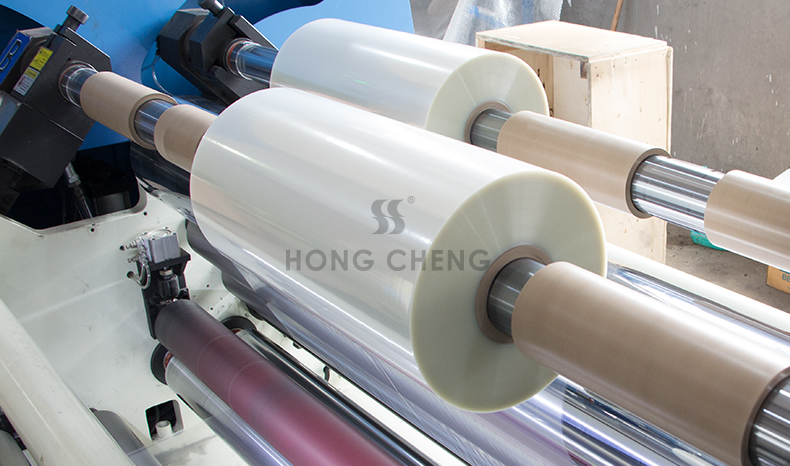
In the field of packaging, the selection of vacuum bags is of great significance as it directly affects the preservation and display effects of products. Polyester PET vacuum bags and nylon PA vacuum bags, as two common types of vacuum bags, have significant differences in material properties, performance, and application scenarios.
I. Material Properties
Polyester PET vacuum bags are made from polyethylene terephthalate. The raw material is extruded into thick sheets and then formed through a biaxial stretching process. The molecular structure of this material is compact, presenting a colorless, transparent, and shiny appearance. It has strong rigidity, endowing the bag with high hardness and toughness, and making it highly resistant to puncture and friction. Whether in high - temperature or low - temperature environments, PET vacuum bags can maintain stable physical properties.
Nylon PA vacuum bags are mainly composed of polyamide. The amide groups in the molecular chain give it good flexibility, and the texture is relatively soft. Nylon PA vacuum bags have good transparency and high gloss. At the same time, it has excellent heat resistance, oil resistance, and puncture resistance, which can effectively meet various complex packaging needs. However, nylon PA vacuum bags have poor water vapor barrier properties and are prone to moisture absorption, which limits their application in packaging some products sensitive to humidity to a certain extent.
II. Performance
In terms of barrier performance, polyester PET vacuum bags have strong water vapor barrier ability, which can effectively prevent the items in the bag from getting damp. However, in terms of oxygen barrier performance, it is slightly inferior to nylon PA vacuum bags. Nylon PA vacuum bags are known for their excellent oxygen barrier properties, which can greatly delay the oxidation and deterioration of the contents, especially suitable for packaging foods or items that are prone to oxidation. However, its water vapor barrier property is poor and is easily affected by humidity.
From the perspective of heat - sealing performance, polyester PET vacuum bags have a relatively narrow heat - sealing temperature range. During operation, the temperature and pressure need to be accurately controlled to ensure a good sealing effect and avoid situations such as leakage sealing or burn - through. Nylon PA vacuum bags have a wider heat - sealing temperature range and stronger heat - sealing adaptability, which is more convenient to use in automated packaging equipment.
III. Application Scenarios
Polyester PET vacuum bags, with their high transparency and good moisture resistance, are often used for packaging dry foods, electronic products, etc. For example, when packaging dry foods such as tea and biscuits, it can clearly display the product and effectively prevent moisture, extending the product's shelf life. In the field of electronic product packaging, it can prevent electronic components from being damaged by moisture.
Due to their excellent puncture resistance, oil resistance, and oxygen barrier properties, nylon PA vacuum bags are mostly used for packaging meats, seafood, cheese and other foods that are prone to oxidation and high in fat, as well as some angular and hard - textured items. For example, in the packaging of frozen foods, nylon PA vacuum bags can resist the puncture of ice crystals during the freezing process, maintain the integrity of the packaging, and ensure the long - term preservation of foods in a low - temperature environment.
In conclusion, polyester PET vacuum bags and nylon PA vacuum bags each have their advantages and disadvantages. In actual selection, it is necessary to comprehensively consider factors such as the characteristics of the product to be packaged, storage requirements, and cost budget, so as to select the most suitable vacuum bag to achieve the best packaging effect.
Unopenable packaging is quietly eating away at your customers! —— This "Omnidirectional Instant Tear" packaging film reduces the negative review rate by 30%!
This Cost Cannot Be Saved! Why is the Nylon Composite Layer a Must for Heavy-Duty Packaging?