Etched Aluminum Foil: The Core Force of Functional Aluminum Processing Materials
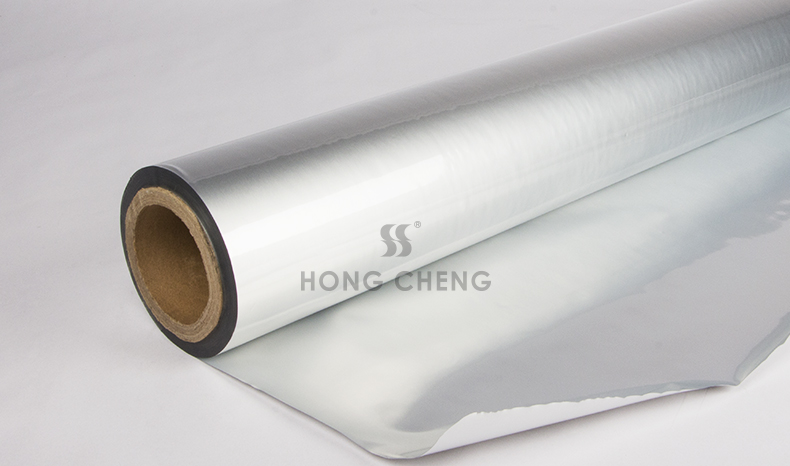
Etched aluminum foil is a functional material that forms a three-dimensional porous structure by precision processing the surface of high-purity aluminum foil through chemical or electrochemical processes. Its core value lies in significantly increasing the specific surface area through surface modification, providing efficient performance support for devices in electronics, new energy and other fields. As an indispensable key substrate for core electronic components such as aluminum electrolytic capacitors, it occupies an important position in the global high-end manufacturing field with its light weight, high stability and customizability.
The preparation of etched aluminum foil is based on ultra-high purity aluminum foil, with a raw material purity usually not less than 99.99%. After annealing treatment, a uniform grain structure can be formed, laying the foundation for subsequent etching processes. The core processing process is divided into two stages: pretreatment and etching. Pretreatment removes oil stains and natural oxide films on the aluminum foil surface through degreasing and pickling to ensure etching uniformity. The etching process is the technical core, mainly divided into chemical etching and electrochemical etching. Chemical etching uses mixed solutions such as hydrochloric acid and nitric acid to corrode the aluminum foil surface to form a porous structure; electrochemical etching combines chemical solutions and current action to accurately control pore size and distribution by adjusting voltage, temperature and solution concentration. Compared with chemical etching, it is easier to achieve large-scale and high-precision production, making it the current mainstream process.
According to processes and application scenarios, etched aluminum foil can be divided into anode foil and cathode foil, each with different focuses on structure and performance. Anode foil is mostly etched by direct current to form a deeply penetrating microporous structure, and its specific surface area can be increased by 20-100 times compared with the original aluminum foil. After subsequent formation treatment to form an oxide film, it has excellent charge storage capacity. Cathode foil is often etched by alternating current to form a dense shallow pore structure, focusing on optimizing current conduction efficiency, suitable for medium and low voltage capacitor scenarios. In addition, according to the application voltage, it can be divided into low-voltage, medium-voltage and high-voltage etched aluminum foil, corresponding to different field requirements such as consumer electronics, industrial power supplies and automotive electronics.
Aluminum electrolytic capacitors are the core application scenario of etched aluminum foil. Its porous structure can greatly increase the contact area with the electrolyte, increasing the capacitor capacity by 2-3 times under the same volume, while optimizing current distribution and extending device service life. In the consumer electronics field, etched aluminum foil is used in power management modules of mobile phones and computers; in industrial scenarios, it is suitable for high-voltage equipment such as inverters and charging piles; components such as power battery management systems and on-board air conditioners of new energy vehicles also put forward higher requirements for the high-temperature resistance and vibration resistance of high-voltage etched aluminum foil. In addition, with technological upgrading, the application of etched aluminum foil in emerging fields such as electromagnetic shielding and heat dissipation materials is gradually expanding.
Currently, the global etched aluminum foil market maintains steady growth, with a market size of approximately 333.6 million US dollars in 2023 and is expected to reach 473.7 million US dollars by 2030, with a compound annual growth rate of 6.02%. The Asia-Pacific region has become the core growth pole of the market due to the concentration of electronic manufacturing industry. In the future, with the rapid development of new energy vehicles, 5G communications and other industries, the demand for high-precision, low-loss etched aluminum foil will continue to rise. The application of green production processes such as closed-loop recycling and water-based etchants will also become an important direction of industrial technological upgrading, promoting the iteration of etched aluminum foil towards higher performance and environmental protection.
Decoding Shielded Cables: Internal Structure and Comprehensive Protection Guide
Core Differences Between "High-Speed" and "High-Frequency" in the Cable Industry and Material Empowerment