Foil Bubble Composite Film for Insulated Box Liners: Structure, Performance and Material Selection Guide
As cold chain logistics continues its rapid expansion and industries including pharmaceuticals, fresh food, and precision electronics impose increasingly stringent requirements on temperature-controlled packaging, insulated boxes have become one of the most critical components for last-mile thermal management. Within the structural design of these boxes, the choice of liner material directly determines whether thermal performance, cost efficiency, and lightweight objectives can all be achieved simultaneously. Foil bubble composite film — combining multi-layer functional synergy with easy processability and manageable cost — has emerged as a preferred raw material for a growing number of insulated box manufacturers and packaging converters worldwide.
Structure of Foil Bubble Composite Film
Foil bubble composite film is typically built from several functional layers bonded together through lamination:
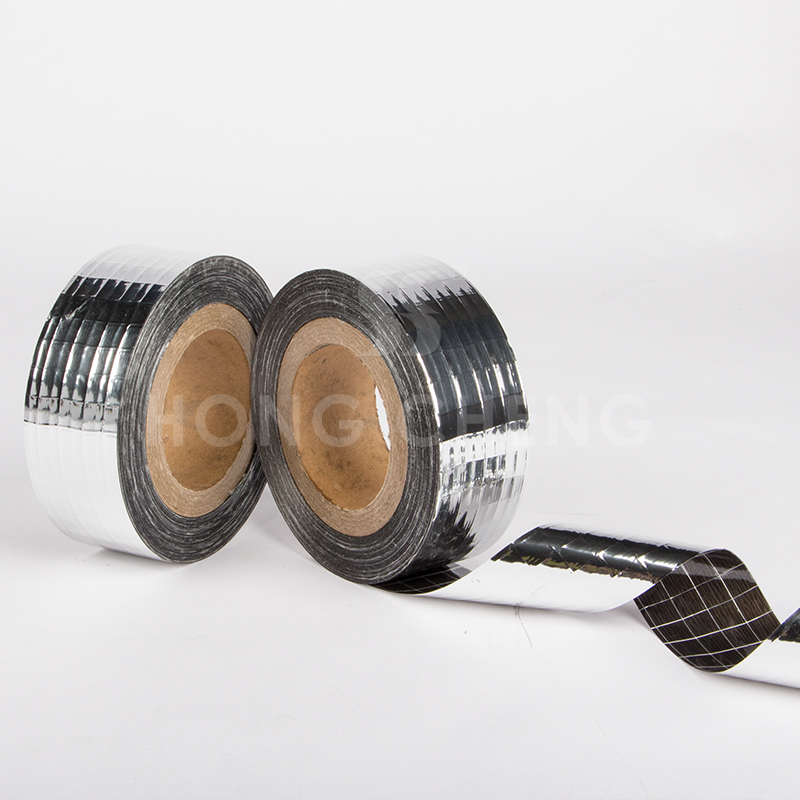
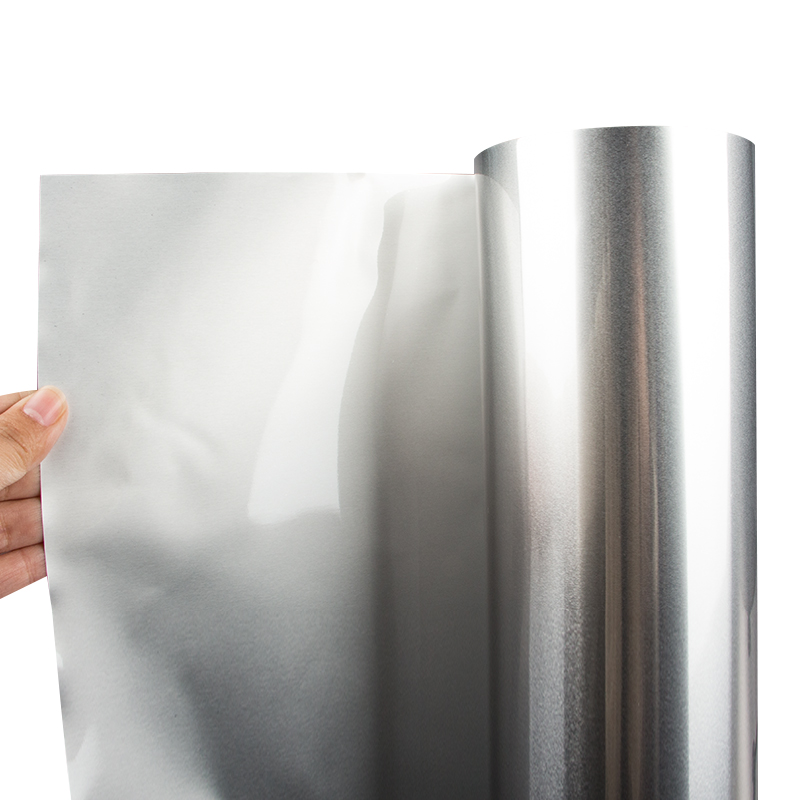
Outer Aluminum Foil Layer: Usually 6–9 microns thick, this layer serves as a radiant heat reflector, bouncing back infrared radiation from the external environment while simultaneously forming a moisture vapor barrier. The low emissivity of aluminum (≤0.05) is the fundamental driver of the entire structure's thermal insulation capability.
Middle Bubble Layer: Consisting of a double-layer PE film with enclosed air pockets formed by blow molding, bubble diameters typically range from 5–10 mm with heights of 4–6 mm. The sealed air inside each bubble has a very low thermal conductivity (approximately 0.026 W/m·K), making it an effective medium for blocking conductive heat transfer. The bubble layer's thickness and density directly influence the overall thermal resistance (R-value) of the composite.
Inner Film Layer: Depending on application requirements, this can be configured as a PE film (heat-sealable version) or an additional aluminum foil layer (double-foil structure). The heat-sealable inner layer facilitates mechanical forming processes and is well suited for high-volume liner board manufacturing. The double-foil structure provides enhanced bidirectional radiant barrier performance, making it the preferred choice for pharmaceutical cold chain and precision instrument applications where temperature fluctuations must be minimized.
The overall structure can be flexibly extended according to customer requirements — for example, adding foil on both sides of the bubble layer to create a three-layer "foil/bubble/foil" configuration, or incorporating nonwoven fabric or woven scrim on the outer surface to improve mechanical strength, resulting in a four-layer "foil/nonwoven/bubble/foil" structure.
Core Insulation Principle: Three-Mode Heat Blockade
The reason foil bubble composite film is chosen for insulated box liners lies in its ability to simultaneously address all three modes of heat transfer:
Radiant Heat Blockade: With a reflectivity of ≥95%, the aluminum foil layer directly reflects incoming infrared radiation, substantially reducing the proportion of radiant heat entering the box interior. In summer conditions or under direct sunlight, radiant heat can account for over 50% of total thermal load, making the foil reflective layer especially impactful in these scenarios.
Conductive Heat Blockade: The enclosed still air within the bubble layer forms a low-conductivity thermal barrier, interrupting the conductive pathway through solid materials. Compared to conventional single-layer PE film or nonwoven fabric liners, the introduction of the bubble layer can improve overall thermal resistance by a factor of 3–5.
Convective Heat Blockade: By sealing air into small enclosed cells, the bubble structure eliminates the possibility of natural convection, further limiting convective heat exchange.
The synergistic combination of these three blocking mechanisms allows foil bubble composite film — at a total thickness of only 4–8 mm — to achieve thermal performance equivalent to or better than several centimeters of EPS foam, while offering superior flexibility and significantly lower weight.
Key Application Scenarios
Pharmaceutical Cold Chain: Vaccines, biologics, and in vitro diagnostic reagents require precise maintenance of 2°C–8°C refrigerated or sub-15°C frozen conditions throughout transit, as temperature deviations directly affect product safety and compliance. Foil bubble liner boxes can maintain effective temperature control for 6–72 hours at ambient temperatures, and when combined with phase change materials (PCM ice packs), they support full cold chain regulatory compliance.
Fresh Food and Grocery Delivery: Imported fruits, premium seafood, and frozen food delivery operations face growing pressure to improve packaging performance. Compared to conventional foam boxes, foil bubble liner boxes are smaller in volume and lighter in weight, improving delivery efficiency while meeting the sustainability requirements of markets increasingly restricting single-use foam packaging.
Precision Electronics and Optical Components: Certain temperature-sensitive products — including optical lenses, sensor modules, and electronic components — require protection against sudden temperature changes that can cause condensation damage during export shipping. Foil bubble liners provide a stable microclimate while also offering a degree of cushioning and shock absorption.
Industrial Chemical Samples and Laboratory Specimens: Chemical reference materials and laboratory samples that must be maintained within specific temperature ranges benefit from lightweight foil bubble liners that achieve thermal control while substantially reducing packaging weight and shipping costs.
Key Parameters for Raw Material Selection
For insulated box manufacturers and packaging material converters, the following technical parameters deserve close attention when sourcing foil bubble composite film:
Aluminum Foil Thickness: 6-micron foil provides basic radiant barrier and moisture protection, suitable for cost-sensitive applications. 7–9 micron foil offers lower pinhole density and better WVTR performance, making it the recommended specification for pharmaceutical cold chain use.
Bubble Specifications: The combination of bubble diameter and height determines the overall R-value. Common specifications include Ø6×3mm (lightweight profile), Ø10×4mm (standard), and Ø10×6mm (high thermal resistance). Selection should be based on the forming process requirements and the targeted thermal retention duration.
Lamination Bond Strength (Peel Strength): The adhesion between the aluminum foil and the PE bubble film directly affects durability under repeated folding and thermal cycling. A minimum peel strength of ≥1.2 N/15mm (T-peel test) is recommended for reliable field performance.
Inner Layer Configuration: Heat-sealable PE inner layers are compatible with thermal press forming workflows and offer high processing efficiency. Double-foil inner configurations are preferred for applications requiring superior bidirectional radiant barrier performance.
Customization Capability: Key customization dimensions include web width (commonly 400–2000mm), surface printing, and substitution of the outer layer material (nonwoven or kraft paper surface treatment). These requirements should be discussed with the supplier at the inquiry stage to ensure feasibility.
Market Outlook
According to the China Express Association and cold chain logistics industry reports, China's cold chain logistics market exceeded RMB 600 billion in 2025 and is projected to maintain growth above 10% through 2026. Sustained expansion in pharmaceutical cold chain, cross-border fresh e-commerce, and air freight refrigerated cargo continues to drive robust demand for high-performance thermal liner materials.
Meanwhile, the revised EU Packaging and Packaging Waste Regulation (PPWR), which entered into force in 2025, has introduced tightening restrictions on single-use foam packaging across European markets. This is accelerating a transition toward foldable, recyclable foil composite insulation liners — opening new export opportunities for Chinese foil laminate manufacturers.
Hangzhou Hongcheng Technology has accumulated extensive experience in aluminum foil composite material production and offers multi-structure customization capability for foil bubble composite film. Whether clients require specific foil thicknesses, bubble dimensions, web widths, or surface treatments, Hongcheng can provide tailored raw material solutions to support stable supply chains for thermal packaging manufacturers worldwide.
Woven Aluminum Foil Vacuum Packaging Laminate: The Core Material for Heavy-Duty Industrial Vacuum Bags
AL/PE Composite Film for Flexible Duct Jackets: Structure Analysis & Material Guide