Foil Bubble Insulation Selection Guide: How to Match Reflectivity and Bubble Structure to Your Application
Summer heat on factory roofs, cold loss in refrigerated trucks, and insufficient thermal protection in sunroom glazing—behind all these problems often lies a missing layer of high-performance reflective insulation. Foil bubble insulation, which combines aluminum foil composites with PE bubble films, delivers both high reflectivity and air-cushioning benefits. It has become a popular raw material in building insulation, cold-chain logistics, and industrial packaging. Yet with different thicknesses, bubble diameters, and foil layer counts available, buyers often fall into the trap of “thicker is better.” This guide offers practical, scenario-based selection advice to help you choose the right specification.
1. Core Structure: Thicker Foil Is Not Always Better
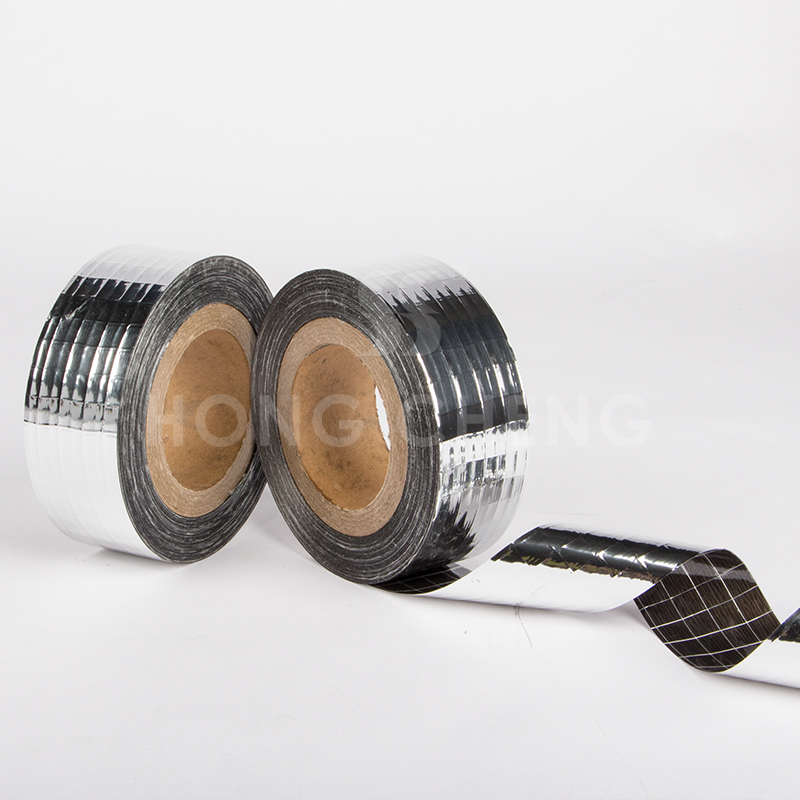
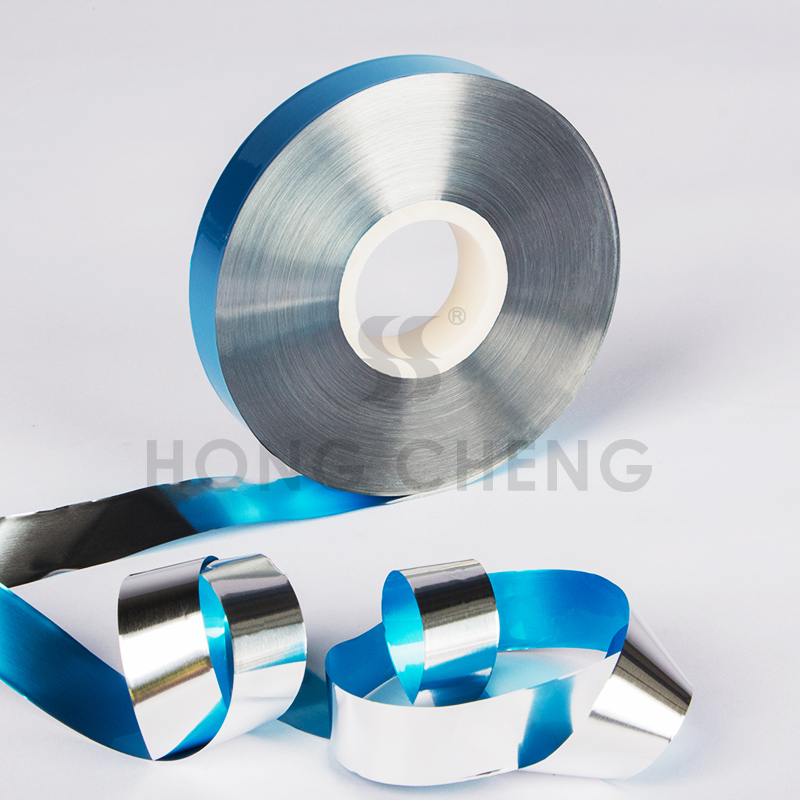
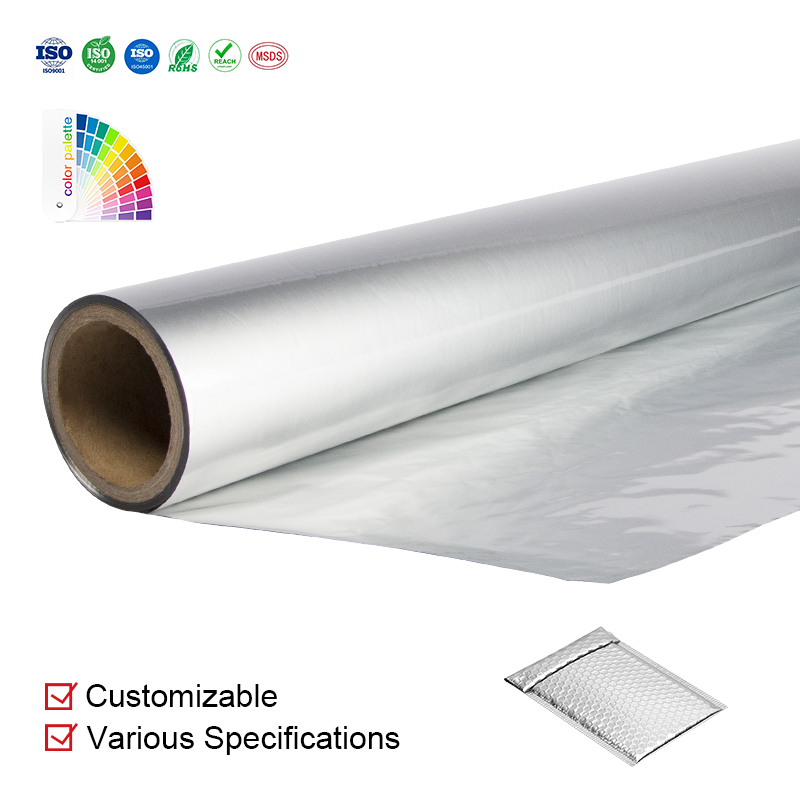
Foil bubble insulation is typically built in three-layer or five-layer structures: an outer aluminum foil reflective layer, a PE bubble cushioning core, and a backing layer of aluminum foil or PE film. Foil thickness commonly comes in 7μm, 12μm, and 18μm. Bubble diameters are grouped as small (6–10mm), medium (10–20mm), and large (20–30mm), with bubble heights ranging from 3mm to 10mm. The combination of these three factors determines reflectivity, compressive strength, and flexibility.
Many buyers assume that thicker foil equals better insulation. In reality, the foil layer mainly reflects radiant heat, and reflectivity depends more on surface finish and foil purity than on thickness. For general building roofs, 7–12μm foil is sufficient. Foil above 18μm is better suited to industrial applications where repeated bending, handling, and high tear resistance are required. Blindly choosing thicker material raises cost and can make the sheet too stiff to install properly.
2. Scenario-Based Selection: Four Common Applications
2.1 Building Roofs and Walls: Prioritize Reflectivity and Weather Resistance
For steel-structure factories, warehouses, and sunrooms, foil bubble insulation must withstand UV exposure, temperature swings, and humidity. A double-sided aluminum foil with medium bubbles is recommended: 12μm foil, 10–20mm bubble diameter, and 4–6mm bubble height. Double-sided foil can reflect over 95% of solar radiant heat, while the medium bubble structure provides a stable air barrier against conductive heat loss. Where condensation is a concern, ask for a PE-coated backing to protect the foil from oxidation.
2.2 Refrigerated Trucks and Box Liners: Prioritize Compression Strength and Light Weight
Cold-chain applications demand both compressive strength and low weight. Truck floors must support stacked loads, so a large-bubble (20–30mm) double-bubble structure with 6–10mm height and 7–12μm foil is recommended. The large-bubble structure resists local collapse under pressure, preserving the insulating air layer. At the same time, foil bubble insulation is much lighter than traditional foam boards, reducing vehicle weight and improving transport efficiency. For box liners, small-bubble structures offer better conformability and cushioning.
2.3 Pipe and Equipment Wrapping: Prioritize Flexibility and Conformability
Air-conditioning ducts, hot-water pipes, and industrial equipment often require insulation that wraps around complex shapes. For these cases, choose a small-bubble (6–10mm) single-sided foil structure with 7–12μm foil. The material remains soft, easy to cut, and easy to wrap. The small-bubble structure avoids sharp creases when bent, allowing tighter contact with the surface and reducing thermal bridges. For high-temperature pipes above 80°C, confirm the heat resistance of the PE bubble layer and consider high-temperature adhesive tape for fixing.
2.4 Temporary Warehousing and Agricultural Greenhouses: Prioritize Cost and Width Adaptability
Temporary buildings, storage tents, and greenhouse roofs need thermal insulation but are often budget-sensitive. A single-sided foil with medium bubbles and 7μm foil is a cost-effective choice, typically supplied in widths of 1.0–1.5m for easy large-area installation. Reflectivity is slightly lower than double-sided foil, but the cost advantage is significant and meets seasonal shading needs. Buyers should focus on bubble integrity, avoiding large areas of damage that compromise thermal performance.
3. Common Buying Mistakes to Avoid
Mistake 1: Focusing only on thickness and ignoring reflectivity data. The real performance driver is reflectivity and emissivity. Ask suppliers for foil reflectivity test reports; building-grade foil should generally reflect at least 90% of radiant heat.
Mistake 2: Assuming larger bubbles are always better. Large bubbles resist compression but are less conformable; small bubbles are flexible but have thinner air layers. Match the bubble size to installation method and load conditions rather than defaulting to the largest size.
Mistake 3: Neglecting foil-to-bubble adhesion. Foil bubble insulation is repeatedly folded, cut, and handled during shipping and installation. If the foil separates from the bubble layer, local thermal failure occurs. Require peel strength of at least 1.5N/15mm and perform a folding test on sample material before ordering.
4. Material Support from Hongcheng Technology
As a specialized manufacturer of aluminum foil composites and PE-coated films, Hangzhou Hongcheng Technology supplies raw materials for foil bubble insulation tailored to customer applications. Core materials include aluminum foil, metallized film, PET, and PE, which can be combined into single-sided foil bubble, double-sided foil bubble, and AL/PE bubble composite structures. We support customization of thickness, width, bubble diameter, and layer configuration, serving building insulation, cold-chain packaging, equipment insulation, and other industries worldwide with stable supply and technical support.
+86 13758223270 | Email: wendy@hcdxcl.com.cn
Why Metallized Film Woven Fabric Lining Is Becoming the Standard for Luggage
VMPET Duct Facing for Industrial Exhaust & Kitchen Ventilation: A Selection Guide