Aluminum Foil Composite Lining Films for Bags: A Material Guide from Cooler Bags to Outdoor Backpacks
The bag and luggage industry is undergoing a quiet materials revolution. As consumers demand better thermal insulation in delivery cooler bags, lighter waterproofing in outdoor backpacks, and premium interior finishes in business luggage, aluminum foil composite films are emerging as the hidden enabler behind these functional upgrades. For bag manufacturers and material buyers, understanding the different types of aluminum-based lining films and their application-specific performance characteristics has become essential for competitive product development.
Understanding AL/PE Laminated Lining Films
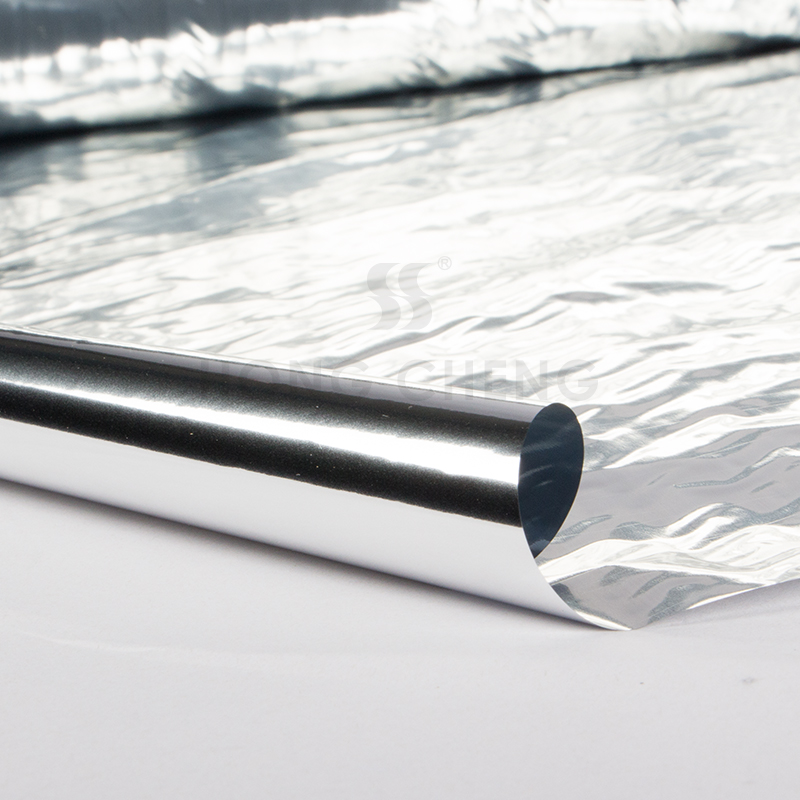
An aluminum foil PE laminated lining film is a composite material that bonds an aluminum foil layer with a polyethylene film layer through extrusion lamination or dry lamination processes. The aluminum foil layer — typically 7 to 15 microns thick — provides near-perfect barrier properties against moisture vapor, oxygen, and UV light. The PE layer, ranging from 20 to 50 microns depending on application requirements, contributes heat-sealability and flexibility to the composite.
This metal-polymer hybrid structure delivers the barrier advantages of metal and the processing convenience of plastic in an extremely thin profile, making it one of the most widely adopted material solutions in bag interior lining applications.
Thermal Bag Linings: The Critical Role of Heat Reflection
In thermal bags and cooler bags, the primary function of AL/PE composite lining film is radiant heat reflection. The aluminum foil layer reflects over 95% of radiant heat, and when paired with an intermediate insulation layer such as EPE foam or bubble film, it creates a dual-function reflect-and-block thermal system.
A typical food delivery thermal bag employs a three-layer construction: an outer waterproof oxford fabric layer, a middle EPE insulation layer, and an inner AL/PE composite lining film. This configuration can limit temperature drop to within 10°C over 30 minutes for hot food delivery. For cold chain applications, the same principle works in reverse, reflecting external heat away from the bag interior.
A critical quality metric for thermal bag linings is pinhole count in the aluminum foil. Pinholes significantly degrade barrier performance, and industry standards typically require no more than five pinholes per square meter. This makes the raw material supplier's foil selection and lamination process control directly consequential to the thermal performance of the finished bag.
Outdoor Backpack Linings: Balancing Waterproofing and Weight
For hiking backpacks, cycling bags, and outdoor gear, the performance priorities shift toward waterproofing and weight reduction. Metalized film composite linings — PET or PE base films with vacuum-deposited aluminum coating — are gaining traction as a lighter alternative to traditional aluminum foil composites.
Metalized composite linings typically weigh 30 to 50 grams per square meter, approximately 40% lighter than aluminum foil composites with comparable barrier properties. They also exhibit better flex-crack resistance during repeated bending, making them better suited to the deformation patterns of everyday backpack use. However, their moisture vapor barrier rate reaches about 80 to 90% of aluminum foil, meaning that for applications requiring the highest moisture protection grades, AL/PE foil laminates remain irreplaceable.
Luggage Interior Applications
In premium travel luggage and business bags, AL/PE composite lining films serve dual roles of structural support and moisture protection. Bonding the composite material to the bag interior not only shields contents from external humidity but also contributes modestly to the case's compressive rigidity.
Some brands have also leveraged the metallic sheen of aluminum foil as a design element, integrating the silver reflective finish into the product's aesthetic language to achieve a unified functional and visual appeal.
Key Selection Criteria for Bag Manufacturers
When evaluating aluminum composite lining materials, bag manufacturers should focus on several technical parameters. Foil thickness and pinhole count directly determine barrier performance. Lamination bond strength dictates long-term delamination risk. The PE layer's heat-seal temperature and seal strength affect downstream bag-making efficiency. For food-contact cooler bags, compliance with relevant food safety regulations is also a mandatory consideration.
As a specialized manufacturer of aluminum foil composites and PE extrusion-coated materials, Hongcheng Technology supplies customized lining roll stock with configurable foil thickness, PE coating weight, and composite structure to match specific application requirements. Both pilot-scale trials and full-scale production are supported.
Tel/WhatsApp: +86 13758223270 Email: wendy@hcdxcl.com.cn
How to Choose Aluminum Mylar Tape for Automotive Wiring Harness Shielding
Material Selection Guide for Thermal Bag Foil: AL/PE Heat Sealable Laminate vs. Metalized Film Bag Material