FSK Facing Material: What Makes the 3-Layer Foil-Scrim-Kraft Structure Work
In the HVAC industry, FSK facing material is nearly ubiquitous. It wraps around fiberglass boards, mineral wool batts, and flexible ductwork, quietly performing its roles in thermal insulation, moisture control, and radiant heat reflection. Yet many procurement professionals and engineers are not entirely clear on what each layer of FSK actually contributes. This article breaks down the structure layer by layer to help industry professionals make more informed material decisions.
What Is FSK Facing Material?
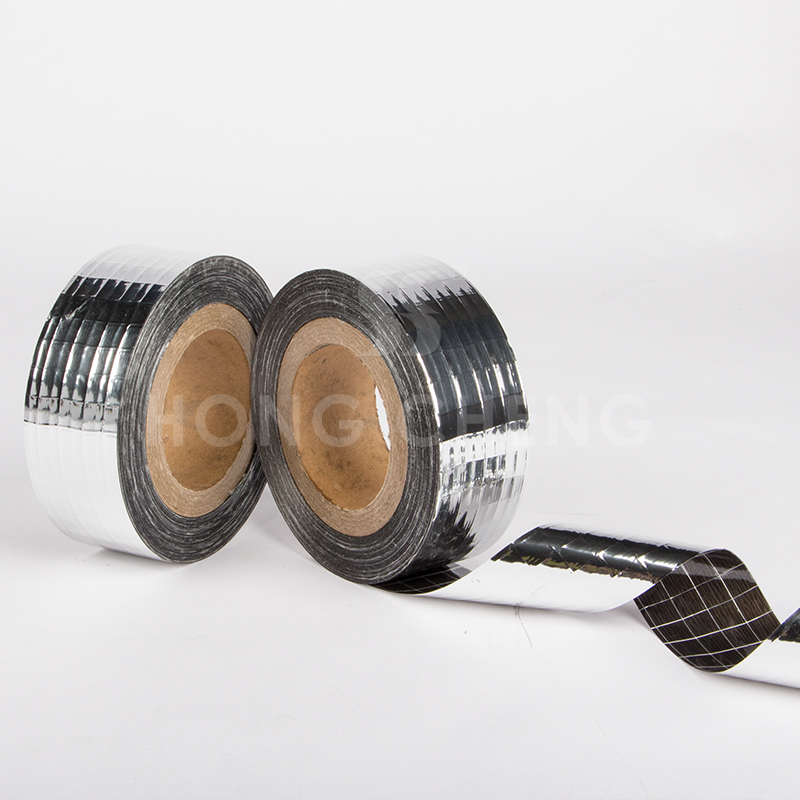
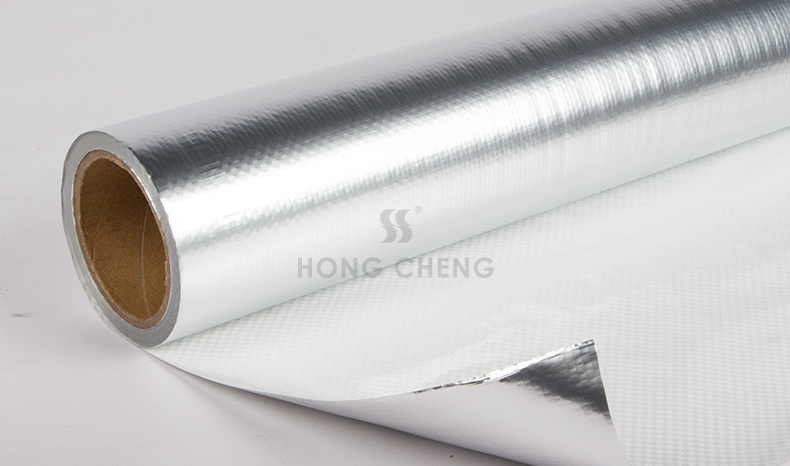
FSK stands for Foil-Scrim-Kraft — a three-layer composite made up of aluminum foil, a reinforcing scrim, and kraft paper. These layers are bonded together through thermal lamination or adhesive processes to create a composite roll that provides reflectivity, structural reinforcement, and moisture resistance. FSK facing is widely used as the outer surface of duct insulation systems.
FSK is not a single material but a structural system. Its performance advantages come from the synergistic combination of all three layers.
Layer One: Aluminum Foil — Reflectivity and Moisture Barrier
The outermost layer of FSK is aluminum foil, typically 7 to 12 microns thick. Aluminum foil has a high infrared reflectivity (generally above 95%), allowing it to reflect radiant heat and significantly reduce thermal losses in duct systems.
Beyond heat reflection, aluminum foil offers excellent resistance to water vapor transmission (low MVTR), which is critical for insulation systems. Moisture penetration into insulation not only reduces thermal efficiency but can also lead to mold growth and structural deterioration over time.
The foil surface can be plain or embossed, meeting different requirements for appearance and reflectance across various duct systems.
Layer Two: Scrim — The Structural Backbone
The scrim is sandwiched between the foil and kraft paper and is the key to FSK's mechanical performance. This layer is typically woven from fiberglass or polyester yarns, forming a uniform mesh structure that provides strength in multiple directions.
The scrim serves several important functions:
Tear resistance: The mesh distributes localized tearing forces across a wider area, preventing the facing from cracking during installation, bending, or stretching.
Dimensional stability: In environments with significant temperature and humidity fluctuations, the scrim suppresses expansion and contraction, keeping the facing flat and consistent.
Fastener holding strength: When stapling or clipping duct facing during installation, the scrim disperses stress at fastening points, preventing tearing at those locations.
Mesh density — typically described in threads per inch — directly affects the strength grade of the facing. The appropriate specification should be selected based on duct diameter, installation method, and operating environment.
Layer Three: Kraft Paper — The Inner Foundation
Kraft paper forms the innermost layer of the FSK structure and serves as the base substrate. Its primary role is to provide a degree of rigidity that keeps the composite facing workable during cutting and installation.
Kraft paper also offers better bonding compatibility with fiberglass and mineral wool insulation compared to bare foil, ensuring stable adhesion between the facing and insulation board, and resisting delamination in service.
Kraft paper also provides a cushioning effect, absorbing minor impacts during installation and protecting the foil layer from scratching or puncturing — thereby preserving the continuity of the foil's moisture barrier function.
Selecting FSK Structural Parameters
Different application scenarios call for different FSK specifications. The following guidelines can help with selection:
Foil thickness: Standard applications typically use 7 μm foil. For low-temperature cold storage duct systems with higher moisture resistance requirements, 9 μm or 12 μm foil is recommended — greater thickness improves barrier performance but increases material cost.
Scrim mesh density: A 10×10 mesh (threads per inch) is generally sufficient for standard insulation facing. For flexible duct exteriors subject to repeated bending, a 14×14 mesh or higher is recommended for improved fatigue resistance.
Kraft paper weight: 70–80 g/m² covers most standard applications. For higher rigidity and tear strength requirements, 90–120 g/m² paper is available.
Overall weight and thickness: FSK composite rolls typically range from 50 to 120 g/m² in total weight and 0.10 to 0.25 mm in thickness. The specific specification should be matched to downstream processing requirements, such as the lamination process for insulation board or duct outer cover production.
FSK vs. FS Structure
Some applications use FS (Foil-Scrim) construction, which omits the kraft paper layer. The key differences are:
- FS structure: Lighter and thinner, suited for weight-sensitive applications or where high rigidity is not required, such as certain flexible insulation tubes.
- FSK structure: Offers greater stiffness and overall mechanical performance, making it more appropriate for rigid insulation board facing and hard duct insulation systems.
Hongcheng Technology's FSK Product Capabilities
Hangzhou Hongcheng Technology Co., Ltd. specializes in the R&D and manufacturing of aluminum foil composite materials. The FSK facing material series is one of the company's core product lines. Customization options include:
- Foil layer: Plain or embossed aluminum foil in 7 μm, 9 μm, or 12 μm thickness;
- Scrim layer: Fiberglass or polyester yarn, with mesh density customized to specification;
- Kraft paper layer: Available in 70 to 120 g/m² basis weight;
- Roll dimensions: Width from 600 mm to 1,500 mm, with delivery by full roll or cut-to-length.
Hongcheng Technology currently supplies HVAC material distributors, flexible duct manufacturers, and insulation board producers in multiple countries and regions. Sample requests and small-quantity orders are welcome.
For detailed technical specifications or a quotation on FSK facing materials, please contact the Hongcheng Technology sales team.
Why Aluminum Foil Composite Materials Are Essential for Luggage and Bag Interior Linings
Thin-Profile AL/PET Shielding Film: The Critical Material Behind HDMI 2.1, USB4 and DisplayPort 2.0 Cables