FSK Facing Material for HVAC Ducts: Structure, Benefits & Sourcing Guide
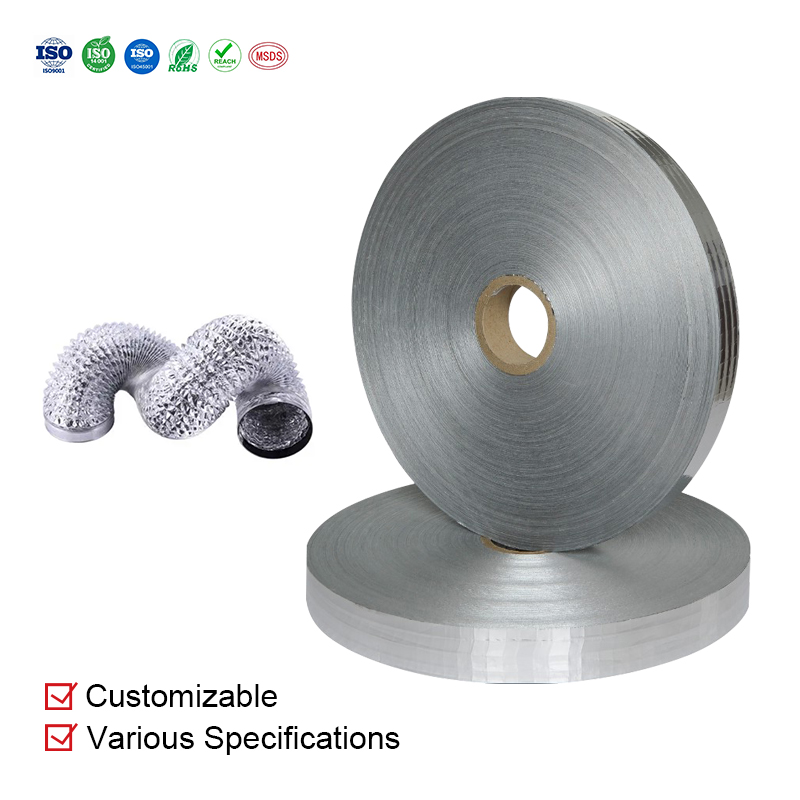
In modern HVAC systems, flexible air ducts serve as the critical last-mile connection between main ductwork and terminal diffusers. Yet the performance of a flexible duct depends less on its spiral wire frame and more on the composite facing material wrapped around it. FSK (Foil-Scrim-Kraft) laminate has emerged as the industry-standard facing for flexible ducts across North America, Australia, the Middle East, and increasingly Southeast Asia — and for good reason.
What Is FSK Facing Material?
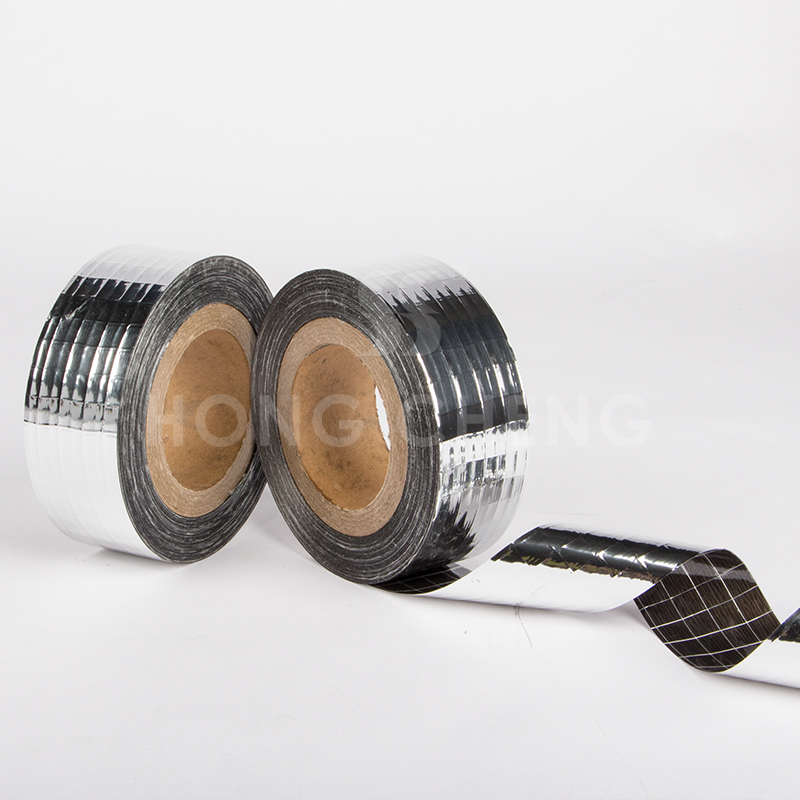
FSK is a tri-layer composite laminate. Each letter stands for one functional layer:
- F (Foil): An aluminium foil layer, typically 6–12 microns thick, providing thermal reflectivity and moisture vapor barrier performance
- S (Scrim): A fiberglass reinforcing mesh (scrim) laminated between layers to deliver bi-directional tensile strength and tear resistance
- K (Kraft): A kraft paper backing that acts as the substrate carrier and adds additional structural rigidity and surface markability
The three layers are bonded together using a dry-lamination or wet-lamination process with specialized adhesive systems. A two-layer FS (Foil-Scrim, without kraft) variant also exists for cost-sensitive applications, but FSK remains the dominant standard in markets with stringent energy codes and building regulations.
Core Functions of FSK Facing in Flexible Ducts
① Thermal Reflectivity Aluminium foil reflects over 95% of radiant heat, minimizing heat gain into cold air ducts in summer and reducing heat loss from warm air ducts in winter. This directly translates into lower HVAC energy consumption — a key selling point as energy codes tighten globally.
② Moisture Vapor Barrier Condensation on duct surfaces is a persistent problem in humid climates. The aluminium foil layer provides an extremely low water vapor transmission rate (WVTR), typically below 0.02 g/m²/24h, preventing moisture ingress that would degrade insulation performance over time.
③ Structural Reinforcement The fiberglass scrim layer adds mechanical strength that foil alone cannot provide. A standard FSK laminate achieves tensile strength of ≥80 N/5cm (machine direction) and ≥60 N/5cm (cross direction), withstanding the bending, pulling, and compression forces encountered during installation.
④ Ease of Installation The smooth aluminium surface is compatible with standard HVAC tapes and adhesives. The kraft backing provides enough body for clean cutting and wrapping, and the surface accepts permanent marker for labeling — a practical advantage for field installers.
FSK Specification Comparison
| Parameter | Standard Grade | Heavy-Duty Grade |
|---|---|---|
| Foil Thickness | 7–9 μm | 9–12 μm |
| Scrim Density | 4×4 per inch | 6×6 per inch |
| Basis Weight | 85–100 g/m² | 110–130 g/m² |
| Tensile (MD) | ≥ 80 N/5cm | ≥ 120 N/5cm |
| Temperature Range | -30°C to +120°C | -40°C to +150°C |
| Typical Use | Residential HVAC | Industrial/Commercial |
Standard grade suits residential and light commercial installations. Heavy-duty grade is preferred for factories, data centers, and applications requiring extended temperature performance.
Comparing FSK with Alternative Duct Facing Materials
The flexible duct market uses several facing materials beyond FSK:
- AL/PE Laminate: Lower cost, excellent moisture barrier, but lower tensile strength than FSK; suitable for light-duty residential applications
- AL/PET Laminate: Superior heat resistance (up to 180°C), ideal for industrial exhaust ducts and chemical-resistant applications
- Foil-Nonwoven Composite: Softer and more conformable, making it ideal for wrapping elbows, tees, and irregular shapes
- Double-Sided Foil Laminate: Foil on both faces for bidirectional radiant barrier performance in specialized applications
Manufacturers should select facing material based on operating temperature, required tensile strength, fire rating requirements, and total cost of ownership — not simply on unit price.
Key Parameters to Evaluate When Sourcing FSK Laminate
For duct manufacturers evaluating FSK suppliers, the following checklist covers the most critical quality parameters:
- Foil thickness and pinhole count: Thicker foil delivers better barrier performance. Request pinhole test reports; excessive pinholes compromise WVTR performance significantly
- Peel strength (composite bond): Delamination resistance between layers should meet or exceed 1.5 N/cm to survive bending and installation stresses
- Scrim thread count and type: Higher scrim density increases strength but raises cost; align specifications with actual mechanical demands
- Fire rating compliance: North American market requires UL 181 compliance; European and Chinese projects typically require their respective national fire standards
- Customization capability: Confirm whether the supplier can accommodate custom roll widths (commonly 1.2m, 1.5m, 1.8m), slit-to-width options, and surface printing
Market Outlook: Green Building Policies Driving FSK Demand
Since 2026, tightening energy efficiency mandates across major markets have directly increased demand for high-performance HVAC insulation materials. In China, the "14th Five-Year Plan for Building Energy Efficiency and Green Building Development" mandates progressively higher energy standards for new commercial construction. In North America, the Inflation Reduction Act (IRA) continues to incentivize residential and commercial retrofits, fueling strong HVAC installation volumes.
Global demand for aluminium foil composite facing materials used in flexible ducts is projected to grow at 6–8% annually through 2028. China, as the world's largest producer of FSK and related aluminium composite laminates, is well-positioned to expand its share of the global supply chain.
Hongcheng Technology specializes in aluminium foil composite and PE laminated materials, offering FSK, AL/PE, AL/PET, and foil-nonwoven facing laminates for the flexible duct and HVAC insulation industries. Custom roll widths, foil thicknesses, and composite structures are available. Contact our technical team at www.techfoil.com to request samples or product specifications.
Reflective Foil Insulation Laminates for Export: How Green Building Standards Are Reshaping Material Requirements in 2026
Aluminum Mylar Tape Selection Guide: AL/PET vs AL/PE Shielding Foil for Cable Applications