How to Judge Insulation Board Facing Quality? 5 Hard Metrics for Aluminum Foil PET vs VMPET

Insulation board facing is the "face" of a building insulation system. The quality of the facing directly determines the weather resistance and thermal performance of the insulation board. As a purchaser for an insulation board manufacturer, how do you quickly assess the quality of a batch of aluminum foil facing rolls? This article covers five hard inspection metrics to help you avoid quality traps.
1. Aluminum Layer Thickness: Don't Trust the Label, Measure It
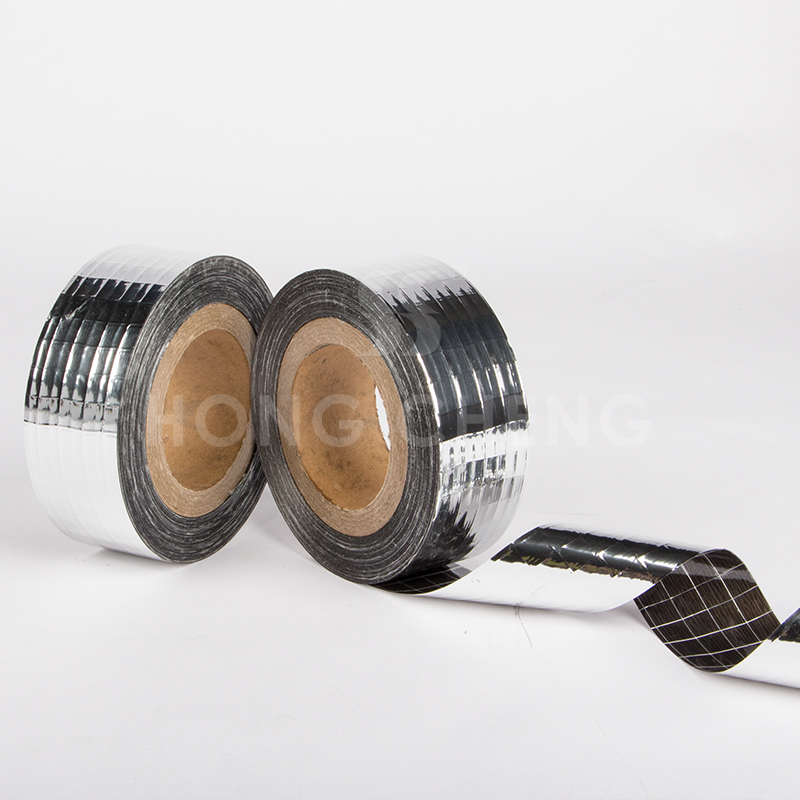
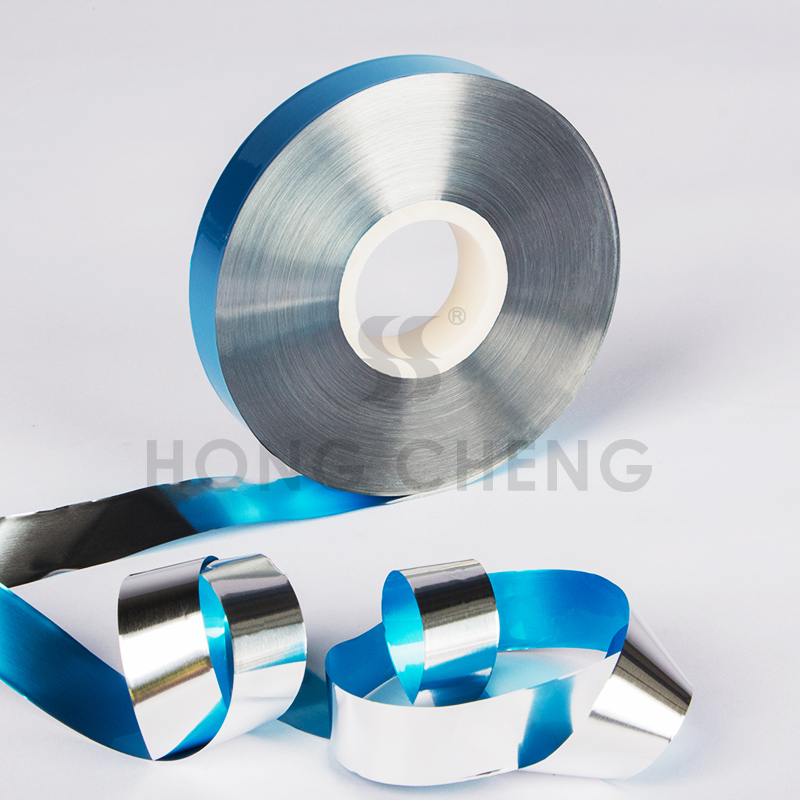
The aluminum layer is the core of reflective thermal insulation. There are three common types of insulation board facing on the market: single-sided AL/PET (aluminum foil + polyester film), double-sided PET/AL/PE (polyester + aluminum foil + PE), and metallized VMPET (vacuum-metallized polyester film).
Pure aluminum foil facing typically has an aluminum layer thickness of 6-12μm, while VMPET has an aluminum layer of only 0.02-0.05μm—a difference of two orders of magnitude. During inspection, use a micrometer to measure five points at different locations on the roll. The thickness deviation of pure aluminum foil should be within ±10%. If the labeled 7μm measures only 5μm, the reflectivity will drop from 95% to below 85%, significantly reducing thermal insulation performance.
For VMPET, the aluminum layer is too thin to measure accurately with a micrometer. Instead, use resistance measurement as an indirect indicator: the thicker the aluminum layer, the lower the surface resistance. Require your supplier to provide aluminum layer resistance test reports, with batch-to-batch resistance variation not exceeding 15%.
2. Lamination Strength: Peel Strength Is the Bottom Line
No matter how thick the aluminum layer is, poor lamination makes it worthless. During cutting, bending, and installation, the facing must withstand tensile and bending stresses. Insufficient peel strength leads to delamination and blistering.
The inspection method is straightforward: cut a 10cm-wide sample and use a handheld peel force tester or simple tensile gauge. Peel the aluminum layer from the substrate at a 180-degree angle and record the peel force. Single-sided AL/PET should achieve ≥1.5N/15mm, while double-sided PET/AL/PE should achieve ≥2.0N/15mm. If you can tear it apart by hand, the adhesive layer has problems—likely insufficient coating weight or inadequate curing time.
A more brutal test: fold the sample in half, then in half again. The aluminum layer at the fold should not crack or flake. This simulates the bending stress during insulation board cutting and is highly practical.
3. Visual Defects: No Tolerance for Wrinkles, Scratches, or Stains
Visual defects on facing rolls directly affect the yield rate and appearance of finished insulation boards. During inspection, unroll 3-5 meters of material and examine it under adequate lighting:
- Wrinkles: Longitudinal wrinkles exceeding 10cm affect lamination flatness, causing uneven insulation board surfaces
- Scratches: Aluminum layer scratches damage the reflective surface and reduce thermal performance. Scratches exceeding 50% of the aluminum layer thickness are unacceptable
- Stains: Oil, water, or dust stains indicate problems in the production environment or winding process, potentially affecting subsequent lamination
- Splices: The number of splices per roll should be agreed upon in advance, typically not exceeding 2, with flat, non-bulging joints
We recommend writing visual acceptance standards into your contract: no more than 3 wrinkles per roll, no through-thickness scratches, and no more than 5 stains larger than 2mm per 100 square meters.
4. Slitting Quality: Burrs and Uneven Ends Are Machine Killers
Many purchasers focus only on the material in the middle of the roll while neglecting slitting quality. Excessive burrs and uneven ends cause machine wandering and web breaks, severely impacting production efficiency.
During inspection, focus on:
- Burr height: Gently run your fingertip along the slit edge. Burr height should not exceed 0.3mm, or it will scratch guide rollers
- End flatness: Stand the roll upright and check the end face. End face irregularity should not exceed 2mm, or multi-layer stacking will create uneven pressure
- Width tolerance: Measure three points with a tape measure. Width deviation should be within ±1mm; excessive deviation causes edge misalignment
A practical tip: Ask your supplier for slitting blade change records. After 500,000 meters of use, blade edges dull and burrs increase significantly. Some manufacturers extend blade usage during peak season rush—this is a quality risk.
5. Batch-to-Batch Consistency: Three-Step Verification from Sample to Delivery
The most insidious quality problem is batch inconsistency. The first batch is excellent, but the second has problems. This is not uncommon in the aluminum foil facing industry.
Establish a three-step verification system:
- Sample confirmation: Before the first purchase, require the supplier to send samples. Test peel strength, aluminum layer thickness, and appearance. Confirm qualification before placing orders
- First-article inspection: Upon delivery, fully inspect one roll first. Confirm consistency with the sample before bulk warehousing
- Incoming inspection: After bulk warehousing, sample according to GB/T 2828.1 General Inspection Level II, AQL 1.0
Special reminder: Aluminum foil prices fluctuate with the market. Some suppliers secretly reduce aluminum layer thickness or downgrade adhesive when aluminum prices rise. Include "material structure changes require prior written notification" in your contract, and retain sample rolls as comparison benchmarks.
Three Quality Traps
Trap 1: High Brightness ≠ High Reflectivity Some suppliers use high-brightness PE film to mimic high-reflectivity aluminum layers. It looks shiny to the eye, but actual reflectivity may be below 70%. The correct approach is to test with a reflectance meter. Quality aluminum foil facing should achieve solar reflectivity ≥85%, while VMPET should achieve ≥75%.
Trap 2: Thicker PE Is Not Always Better In double-sided PET/AL/PE structures, the PE layer mainly provides heat sealing and moisture barrier, with 15-30μm thickness being sufficient. Excessive PE thickness (over 50μm) increases cost and reduces flexibility. Moreover, PE itself has high thermal conductivity, and excessive thickness weakens overall thermal insulation performance.
Trap 3: Comparing Only Unit Price Without Checking Structure Products all labeled "aluminum foil facing" can vary by 30% or more between single-sided AL/PET and double-sided PET/AL/PE, and by 50% or more between pure aluminum foil and VMPET. When purchasing, specify the material structure, aluminum layer thickness, and substrate specifications—don't just compare unit prices. We recommend requiring suppliers to provide material structure cross-section diagrams as contract attachments.
Conclusion
Judging insulation board facing quality is not guesswork—it follows clear metrics. Aluminum layer thickness, peel strength, visual defects, slitting quality, and batch consistency: with these five hard metrics, quality becomes transparent. As a raw material supplier, we recommend insulation board manufacturers establish fixed supplier evaluation systems rather than frequently switching suppliers. A stable supply chain is the foundation of consistent quality.
+86 13758223270、Email: wendy@hcdxcl.com.cn
How to Judge Woven Foil Vacuum Packaging Laminate Quality
VMPET Duct Facing Procurement: 5 Contract Traps to Avoid in Peak Export Season