Insulation Board Foil Facing: A Comparison of Three Main Structures

In 2026, as building energy efficiency standards continue to tighten across global markets, foil-facing laminates for insulation boards remain a critical functional layer in building envelope systems. Whether applied to EPS, XPS, mineral wool, or polyurethane boards, aluminum foil facings serve a triple purpose: moisture barrier, radiant heat reflector, and surface protection. For insulation board manufacturers and construction procurement teams, understanding the differences among aluminum foil scrim laminate facing, FSK facing, and nonwoven foil facing is essential for making informed sourcing decisions.
Three Main Facing Structures
1. Aluminum Foil Scrim Laminate Facing
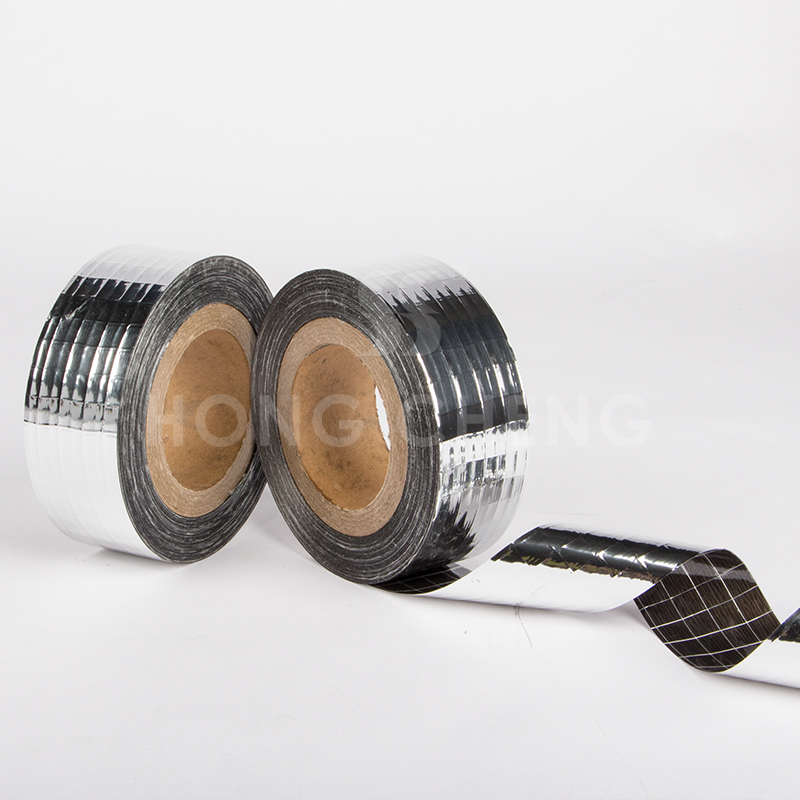
Foil scrim laminate facing combines an aluminum foil layer with a PET or fiberglass scrim, bonded through PE extrusion lamination into a typical AL/scrim/PE structure. The scrim provides excellent tensile strength and dimensional stability, preventing tearing or wrinkling during handling and installation. Aluminum foil thickness typically ranges from 7μm to 12μm, governing the radiant reflection efficiency. The PE film layer serves dual functions: enabling adhesion to the insulation substrate and providing moisture barrier performance.
This type of facing is widely used on XPS and EPS boards, particularly for exterior insulation and finish systems (EIFS) that require structural integrity. A notable advantage of foil scrim laminate facing is its compatibility with continuous online lamination processes, which supports high production throughput.
2. FSK Facing (Foil/Scrim/Kraft)
FSK facing consists of three layers — aluminum foil, fiberglass scrim, and kraft paper — making it the predominant specification in North American HVAC insulation board applications. In recent years, FSK facing has gained traction in premium domestic construction projects as well. The kraft paper surface offers practical benefits: it is writable and markable, facilitating on-site construction management.
FSK facing is particularly suited for fiber-based insulation materials such as mineral wool and fiberglass boards, with significant demand in HVAC duct insulation boards and roofing insulation panels. However, specifiers should note that the tear resistance of FSK facing is limited by the kraft paper substrate, making moisture exposure a concern that requires careful evaluation in humid environments.
3. Nonwoven Foil Facing
Nonwoven foil facing uses polyester nonwoven fabric as the substrate, laminated with aluminum foil in an AL/nonwoven or AL/nonwoven/PE structure. The nonwoven substrate provides a soft, pliable feel and excellent conformability, making it especially suitable for curved or irregular insulation board surfaces such as pipe insulation shells and decorative curved panels. Additionally, nonwoven foil facing is lighter in weight compared to scrim-based alternatives, which is advantageous in lightweight building component applications.
Nonwoven facings are commonly specified for interior insulation boards and integrated decorative insulation panels, where the surface can be further coated or laminated to meet various aesthetic requirements. It should be noted, however, that the tensile strength of nonwoven substrates is lower than that of woven scrim or fiberglass mesh, limiting their use in mechanically demanding applications.
Key Selection Parameters
Aluminum foil thickness is the primary determinant of radiant reflection performance. A 7μm foil facing suits standard energy efficiency requirements, while 9μm and above is recommended for high-performance buildings or elevated temperature environments. Bond strength (peel adhesion) directly impacts the stability of the facing-insulation bond, with a minimum of 0.8N/mm generally recommended. Additional factors include width and roll length compatibility with production lines, flame retardancy ratings (Class B1 or above), and the supplier's capability for customized foil thickness and width specifications.
Market Outlook
Driven by tightening energy codes and the expanding adoption of ultra-low energy building standards, the insulation board foil facing market is projected to grow at 8–10% annually through 2028 in China. In export markets, infrastructure projects in Southeast Asia and the Middle East continue to drive strong demand for high-reflectivity insulation board facings, presenting incremental opportunities for Chinese aluminum foil laminate suppliers. Partnering with a manufacturer capable of full-specification custom production will be a key factor for insulation board companies seeking to maintain supply chain reliability and product competitiveness.
Contact/WeChat: +86 13758223270
PET/AL/PE Foil Laminate for Tea Packaging: Structure, Performance & Selection Guide
HVAC Market Recovery Drives Steady Demand for AL/PE Flexible Duct Outer Jackets in 2026