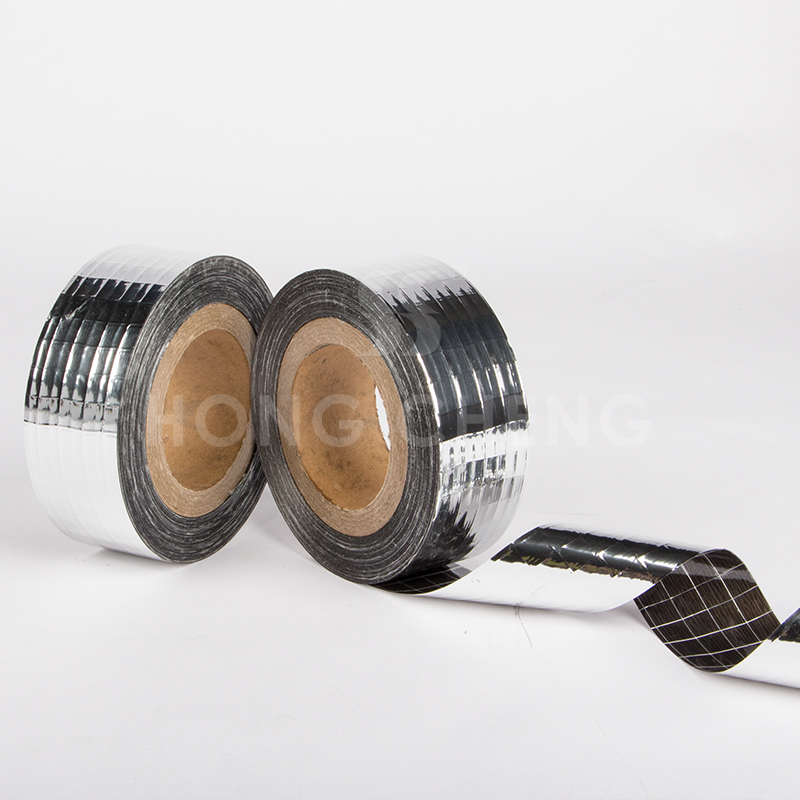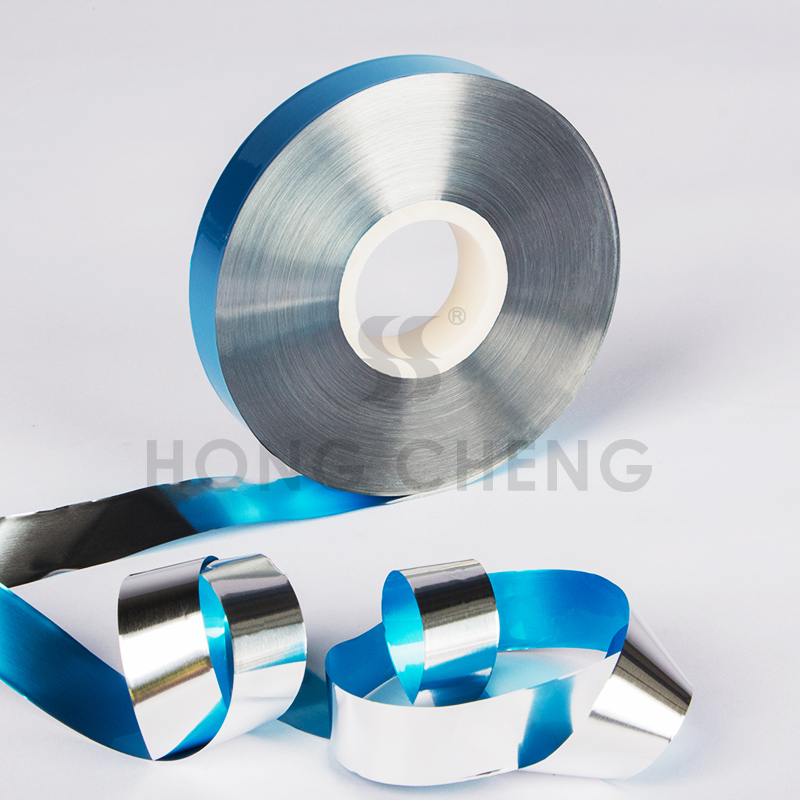
Introduction to Air Duct Aluminum Foil
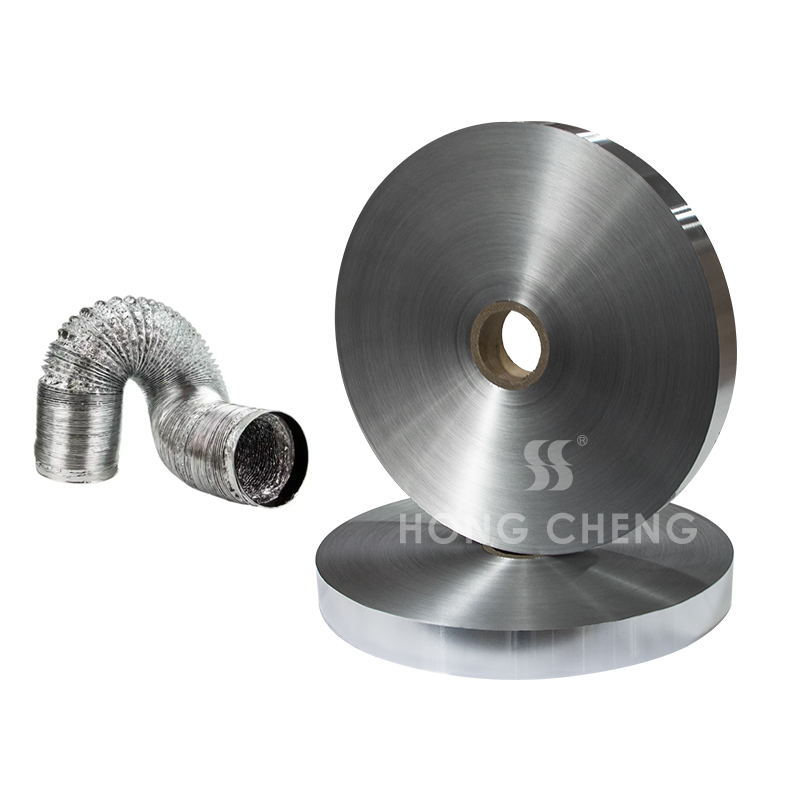
Air duct aluminum foil is a widely used material in ventilation and air - conditioning systems. It is made of high - quality aluminum foil through special processing techniques. With its unique properties, this material plays an important role in various buildings and industrial places.
Types and Structures
Air duct aluminum foil can be divided into various types according to material and function. Pure aluminum foil duct material takes high - purity aluminum foil as the core, usually adopting a single - layer structure. It has a smooth surface and metallic luster, and can be directly attached to the surface of the air duct to play the basic role of heat preservation and moisture proof, which is suitable for ordinary ventilation systems with low heat preservation requirements.
Aluminum foil composite duct material is more common, and its structure is mostly multi - layer composite. There is the aluminum foil + glass wool composite structure. Aluminum foil as the outer layer can block external moisture and heat, and the middle glass wool layer enhances the heat preservation effect. This structure is suitable for air - conditioning systems with large temperature differences. There is also the aluminum foil + polyethylene composite structure. The polyethylene layer is light and has certain elasticity, which can improve the impact resistance of the overall material, and is often used in air duct environments that need mild protection.
In addition, there is embossed aluminum foil duct material. The surface of the aluminum foil is embossed to form regular lines. This structure can enhance the tensile strength of the aluminum foil and reduce deformation caused by temperature changes, which is mostly used in parts such as air duct corners that are easy to be stressed.
Conventional Thickness Parameters
The thickness of air duct aluminum foil needs to be determined according to the use scenario and functional requirements. The conventional thickness range of pure aluminum foil is narrow, generally between 0.03mm and 0.1mm. Pure aluminum foil of 0.03mm - 0.05mm is often used in small air ducts that are sensitive to weight and have low heat preservation requirements; 0.06mm - 0.1mm is suitable for medium - sized ventilation systems, which can provide more stable protection.
The thickness of composite aluminum foil varies due to different composite layers. The total thickness of the aluminum foil + glass wool composite structure is usually 5mm - 20mm, among which the aluminum foil layer is 0.05mm - 0.1mm, and the glass wool layer is 4.95mm - 19.9mm. The greater the thickness, the stronger the heat preservation performance, which is suitable for air - conditioning systems in cold or hot areas. The total thickness of the aluminum foil + polyethylene composite structure is mostly 3mm - 10mm, the aluminum foil layer is 0.04mm - 0.08mm, and the polyethylene layer is 2.96mm - 9.92mm, which is suitable for ventilation pipes in normal temperature environments.
The thickness of embossed aluminum foil is slightly larger than that of pure aluminum foil of the same specification, generally 0.05mm - 0.12mm. The embossing process will not significantly increase the thickness, but it can improve the structural stability of the material.
Performance Characteristics
Air duct aluminum foil has excellent thermal insulation performance. Aluminum foil itself is a poor conductor of heat, which can effectively prevent the transfer of heat. When applied to the surface of air ducts, it can reduce the heat exchange between the air inside the ducts and the external environment. Thus, it minimizes the temperature loss of the cold or hot air delivered by the air - conditioning system during transmission, greatly improving the energy efficiency of the air - conditioning system and reducing energy consumption.
Meanwhile, air duct aluminum foil also has good moisture - proof and anti - corrosion properties. During ventilation, condensation water is easily generated inside the air ducts due to temperature changes. The moisture - proof characteristic of aluminum foil can effectively prevent water from penetrating into the insulation layer inside the ducts, avoiding the insulation layer from reducing its insulation effect or even being damaged due to moisture. In addition, the surface of aluminum foil is smooth and not easily corroded by harmful substances in the air, which prolongs the service life of the air ducts.
In terms of construction, air duct aluminum foil also shows significant advantages. It is light in weight, easy to cut and install, and can adapt to air ducts of different shapes and sizes. This greatly improves the construction efficiency and shortens the construction period. Moreover, aluminum foil material is clean and hygienic, does not produce harmful substances, and meets the requirements of modern buildings for environmental protection and health.
Application Range
Air duct aluminum foil has a very wide range of applications. It can be seen in commercial buildings such as large shopping malls, office buildings and hotels, as well as in industrial and public facilities such as factories, hospitals and schools. Pure aluminum foil is suitable for ordinary office buildings, small shopping malls, etc. Composite aluminum foil is mostly used in hotel central air - conditioning systems and large factory workshop ventilation pipes because of its strong heat preservation. Embossed aluminum foil plays an important role in air duct elbows, interfaces and other easily deformed parts. It provides a reliable guarantee for the ventilation and air - conditioning systems of various buildings, ensuring the comfort and stability of the indoor environment.
In conclusion, air duct aluminum foil, with its various types, reasonable structure, appropriate thickness, excellent thermal insulation, moisture - proof and anti - corrosion properties, as well as convenient construction characteristics, has become an indispensable important material in ventilation and air - conditioning systems. It has made positive contributions to saving energy, protecting the environment and improving people's quality of life.
Color Differences in Transparent PET Polyester Films and Their Impact on Usage
The Aluminum-Plastic Film Industry Amid Trump's 'Reciprocal Tariff' Upgrade: Technological Synergy and Global Value Chain Opportunities